Plant Cell
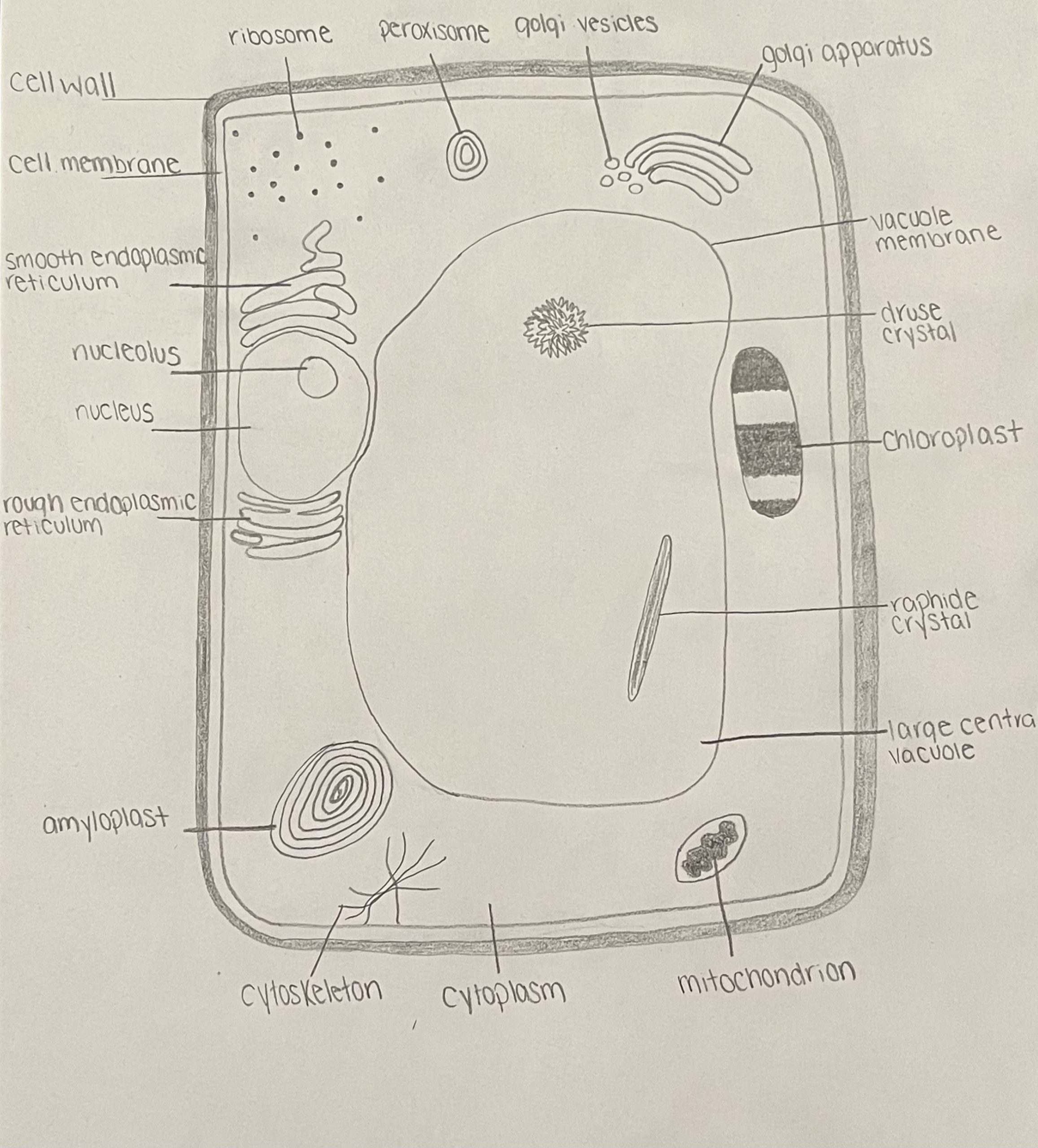
A plant cell is a eukaryotic cell that plays a vital role in the naturopathic field due to its direct connection to herbal medicine, nutrition, and natural healing. Plant cells contain specialized organelles such as the cell wall, which provides structure and protection; chloroplasts, which carry out photosynthesis to convert sunlight into chemical energy; and a large central vacuole, which stores water, nutrients, and waste. Like all eukaryotic cells, plant cells also include a nucleus that houses genetic material, mitochondria for energy production, ribosomes for protein synthesis, the endoplasmic reticulum for protein and lipid processing, and the Golgi apparatus for packaging and transport. In naturopathy, plant cells are especially important because they produce bioactive compounds such as antioxidants, vitamins, minerals, and phytochemicals that support the body’s natural healing processes. These cellular components form the basis of botanical remedies and whole-food therapies commonly used in naturopathic medicine, emphasizing prevention, nourishment, and the body’s inherent ability to restore balance.