Skill 1: Technical Proficiency & Analytical Thinking
Artifact 1: Windows Server Domain Configuration Lab
Course: CYSE 280 – Windows Systems Management and Security
Description:
This lab involved configuring a Windows Server 2019 environment to simulate enterprise-level system administration. I created user accounts, applied Group Policy Objects, and managed access permissions to enforce security controls.
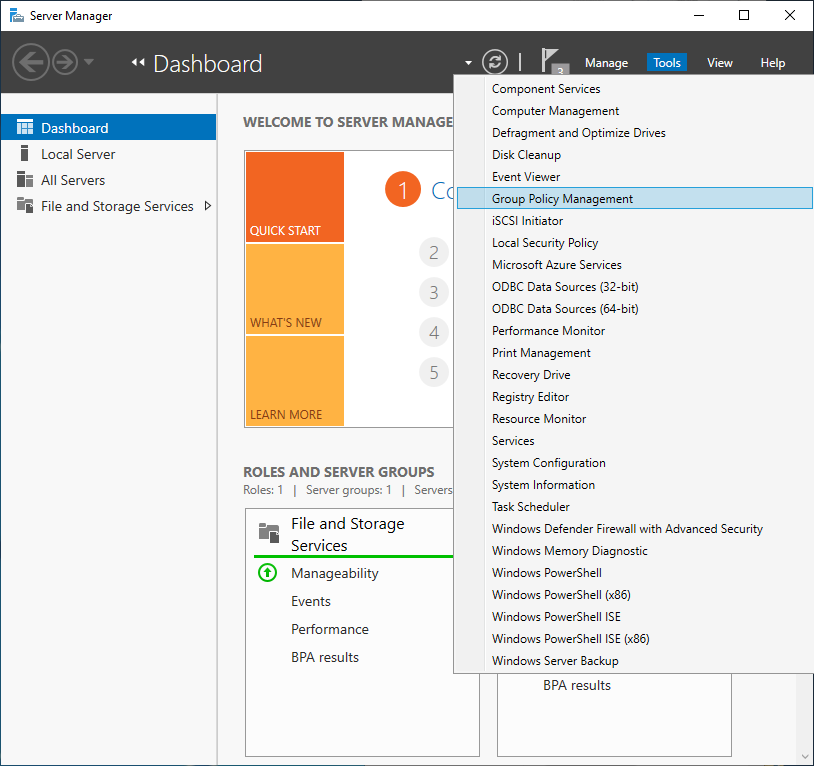
Reflection:
Working on this lab strengthened my technical accuracy and ability to follow complex procedures methodically. I learned to troubleshoot authentication issues and identify misconfigurations efficiently. This experience developed my analytical mindset and taught me how every detail matters in system security.
Artifact 2: Linux Scripting and Permissions Exercise
Course: CYSE 301 – Linux Techniques and Operations
Description:
In this assignment, I wrote shell scripts to automate file management and system maintenance tasks. I also configured file permissions using chmod and chown to enhance system security.
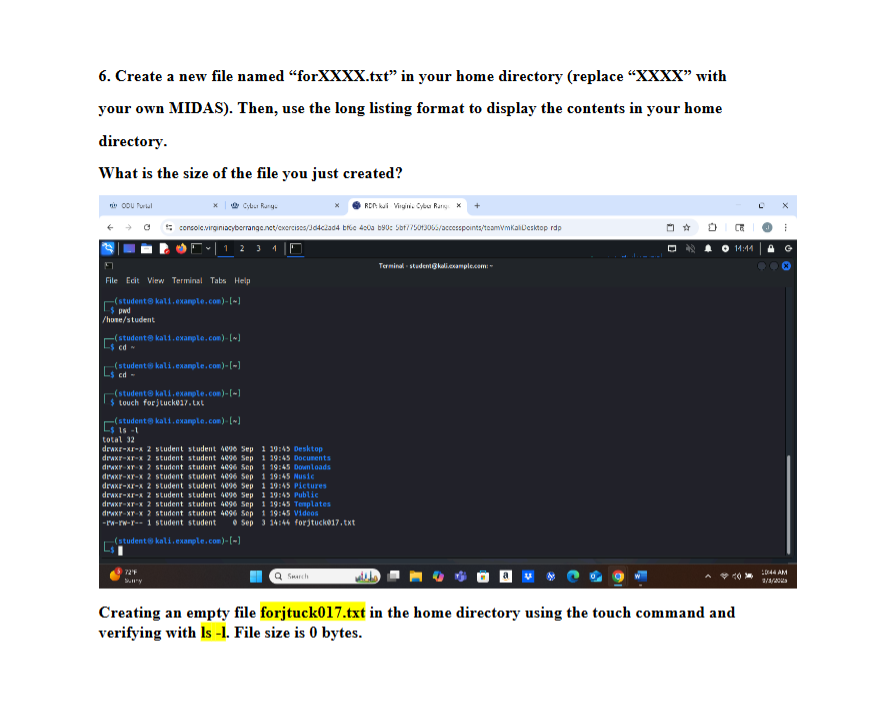
Reflection:
Completing this exercise helped me become more confident navigating Linux environments. Learning how to automate tasks and manage permissions reinforced my technical problem-solving ability and adaptability with different operating systems.
Artifact 3: Cryptography Project – RSA and Diffie-Hellman
Course: CYSE 463 – Cryptography
Description:
This project explored asymmetric encryption through RSA and Diffie-Hellman key exchange. I generated key pairs, performed encryption/decryption tests, and evaluated security implications of each method.
Excerpt:
“RSA encryption relies on mathematical factorization for key security, while Diffie-Hellman enables secure key sharing over public channels — both fundamental to modern data confidentiality.”
Reflection:
This artifact shows my ability to apply theoretical concepts to practical encryption systems. It deepened my understanding of confidentiality, authentication, and secure communication — core principles for any cybersecurity analyst.
Skill 2: Communication & Research Skills
Artifact 1: Interdisciplinary Research Paper – Reducing Political Misinformation
Course: IDS 300W – Interdisciplinary Research and Writing
Description:
This paper examined how misinformation spreads across social media platforms and proposed strategies to reduce it without violating free speech. The analysis combined insights from computer science, psychology, and political science.
Excerpt:
“Addressing misinformation requires a balance between algorithmic precision and human judgment. Social media companies must pair automated detection systems with educational initiatives to promote digital literacy.”
Reflection:
This artifact highlights my ability to write with clarity, integrate multiple perspectives, and analyze real-world cybersecurity issues beyond the technical level. It demonstrates interdisciplinary thinking — essential for professionals who must communicate effectively across fields.
Artifact 2: PowerPoint Presentation – Social Engineering Threats in the Workplace
Course: CYSE 280 – Windows Systems Management and Security
Description:
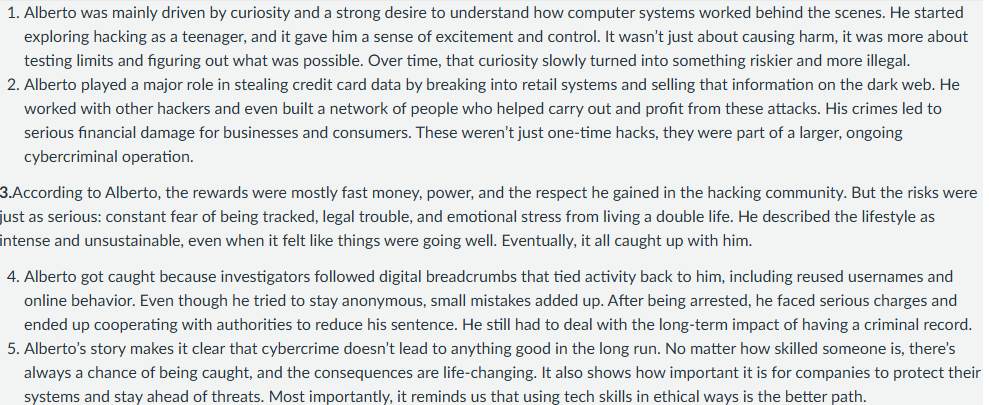
For this class presentation, I created a slideshow explaining common social-engineering tactics and how employees can recognize and prevent them.
Excerpt / Screenshot Placeholder:
Reflection:
Preparing and presenting this topic built my public-speaking and professional communication skills. It taught me to explain technical risks in simple terms, a skill that’s invaluable when briefing non-technical colleagues or management.
Artifact 3: Discussion Post Reflection – Ethics in Cybersecurity
Course: IDS 300W
Description:
This discussion assignment explored the ethical balance between user privacy and government surveillance. I participated in an online debate, providing evidence-based responses and citing scholarly sources.
Excerpt:
“Cybersecurity policy cannot exist in isolation from ethics — transparency and accountability are as vital as technical safeguards.”
Reflection:
This artifact demonstrates my ability to think critically, engage respectfully in professional discussions, and support arguments with credible research. It also shows my awareness of how communication impacts decision-making in cybersecurity policy.
Skill 3: Problem-Solving & Professional Growth
Artifact 1: Wireshark Network Analysis
Course: CYSE 301 – Linux Techniques and Operations
Description:
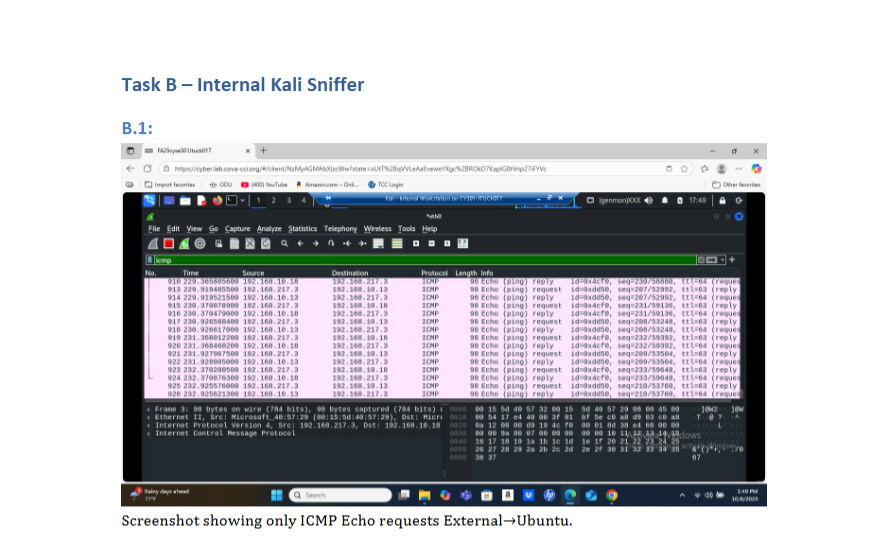
Using Wireshark, I analyzed ICMP packet exchanges to measure response time and identify potential network latency. I learned how to filter traffic and interpret packet data for troubleshooting.
Excerpt / Screenshot Placeholder:
Reflection:
This exercise improved my investigative thinking and patience in data analysis. It taught me how to spot anomalies in network behavior and verify findings — skills that directly translate to threat detection and system monitoring.
Artifact 2: Security+ Certification Study Plan and Reflection
Professional Artifact
Description:
While studying for my CompTIA Security+ certification, I developed a structured study schedule using online simulations, flashcards, and performance-based testing.
Excerpt / Screenshot Placeholder:
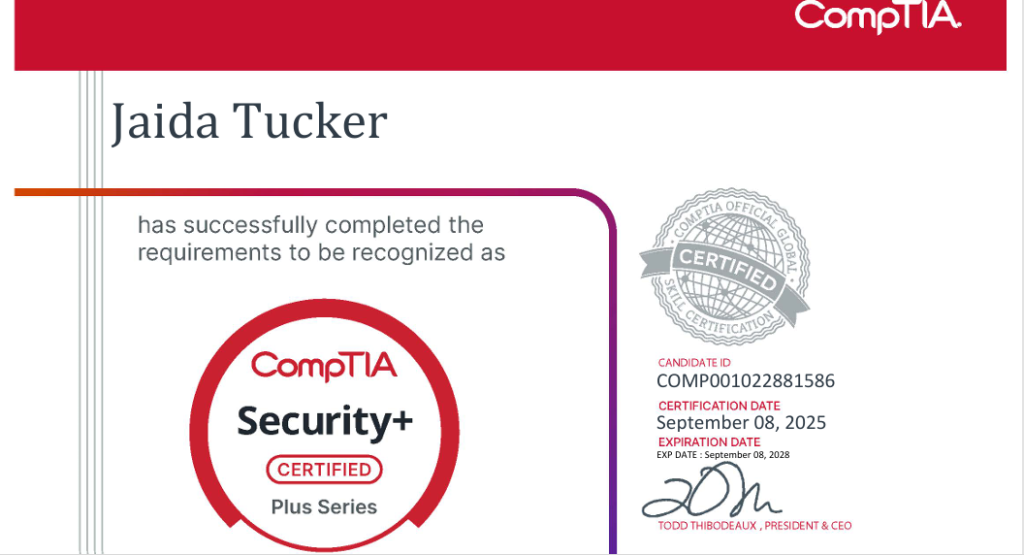
Reflection:
This artifact demonstrates self-discipline and long-term commitment to learning. Preparing for this certification expanded my knowledge of risk management, encryption, and network security frameworks — key foundations for my future cybersecurity career.
Artifact 3: Workplace Collaboration – Naval Station Norfolk
Professional Artifact
Description:
In my role as an Administrative Assistant at Naval Station Norfolk, I managed secure digital records, coordinated with command personnel, and assisted in implementing efficient workflows.
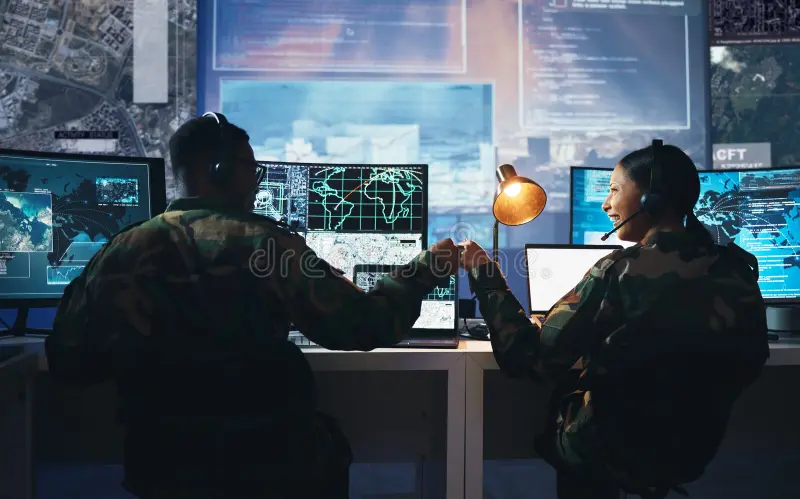
Representative image of the collaborative, detail-oriented workflow environment I contribute to at Naval Station Norfolk.
Reflection:
Balancing full-time work with full-time study strengthened my time-management and teamwork skills. This artifact represents professional growth — learning to adapt, communicate effectively, and uphold security standards in a real-world setting.