Training
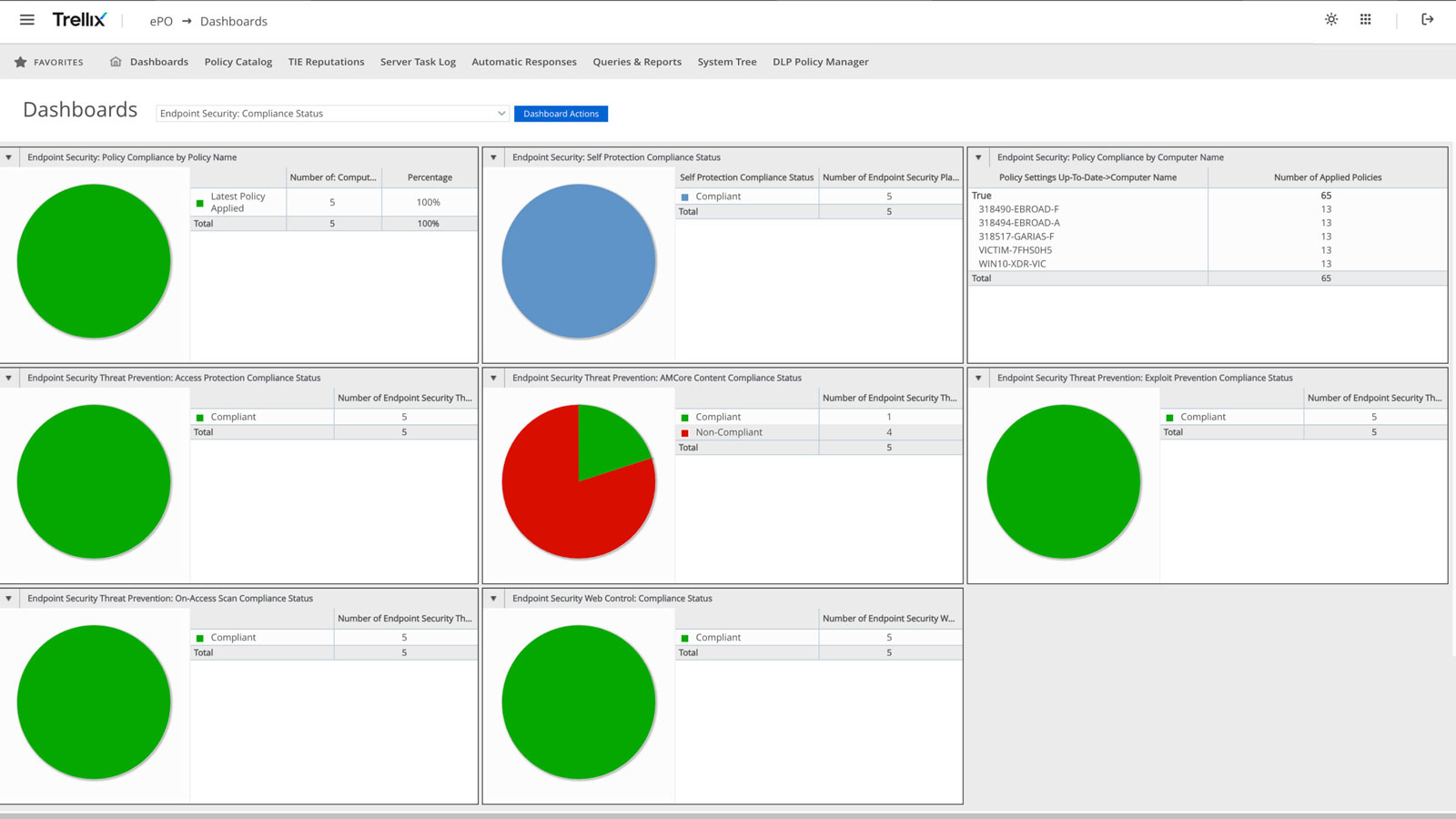
This artifact demonstrates my ability to teach technical concepts to individuals with varying levels of experience. During my Navy service and HBSS/OIS roles, I frequently trained junior personnel, end users, and team members on cybersecurity procedures, system usage, and troubleshooting workflows. I adapted my communication style to match the learner’s background, ensuring that complex technical topics were broken down into clear, understandable steps. (Below is a status tracker from Trellix’s ePolicy Orchestrator which I would often train new employees on. This would typically be a break down of the use of each graph, how to update them, and eventually notifying the correct parties of deficiencies in their networks.)
Task Tracking
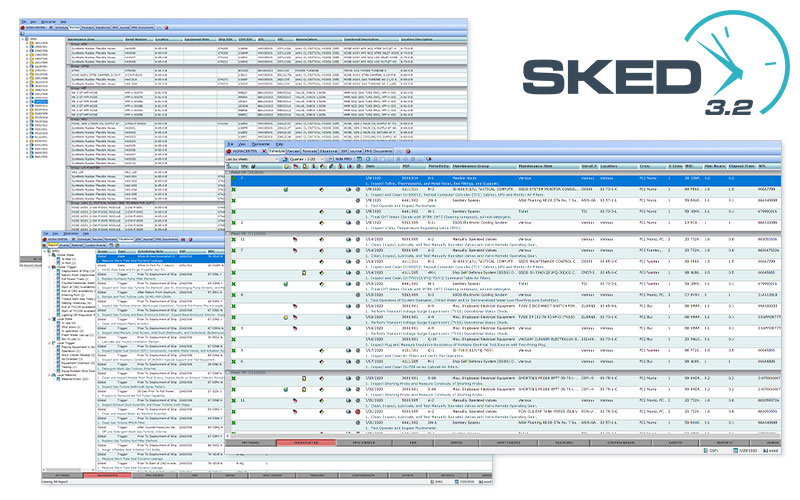
This artifact demonstrates my ability to coordinate tasks, manage deadlines, and maintain operational readiness in fast‑paced environments. Whether supporting HBSS operations, managing help desk queues, or coordinating maintenance and security tasks in the Navy, I routinely tracked assignments, monitored progress, and ensured that critical actions were completed on time. (Below is a screenshot from a maintenance program I used in the Navy called “SKED”. Through this tracker I could see what maintenance was due for varying tools of our trade along with who it was assigned to!)
After Action Reviews (AARs)
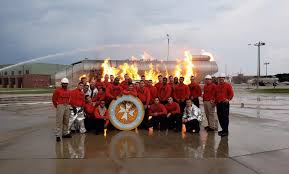
This artifact highlights my ability to evaluate performance, identify lessons learned, and improve execution for future operations. In both military and cybersecurity contexts, I participated in and contributed to AARs following incidents, training evolutions, and operational tasks. I documented what went well, what needed improvement, and what corrective actions should be implemented. (Below is a picture of myself along with my work center after conducting training, typically after these evolutions we would convene and discuss what went wrong, right, and what could’ve been done differently.)