
CYSE 201S

This image is all about cybercrime and the anonymity of the internet. The hooded figure illustrates that attackers can conceal their identities while still targeting people and organizations. What I notice is that while the person is behind the veil, the harm they do is extremely real. Cyber attacks result in monetary loss, stolen personal information, and emotional stress. This links cybersecurity to the whole society since these crimes affect not only businesses and governments but also ordinary people. It reminds me that cybersecurity does not just guard systems, but also protects individuals and communities.
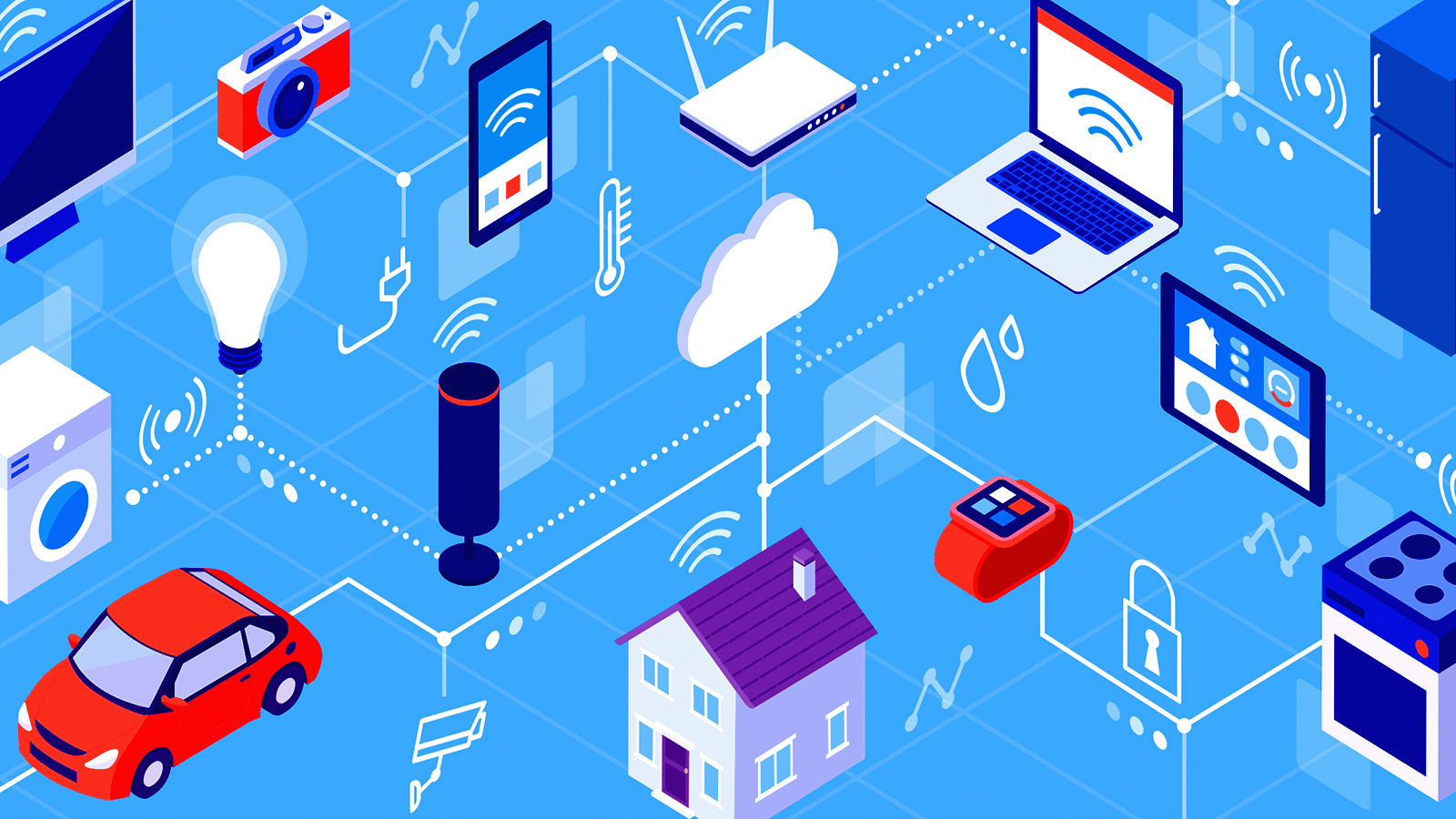
This picture is how many of our devices are connected to the internet now. From cars and smart homes to wearable devices and laptops, technology is everywhere. It has made life easier and more efficient, but it has also opened new security threats. In a security situation where security is not maintained, each connected device may represent a new vulnerability. It reflects how cybersecurity is now included in everyday life. It’s no longer just about one computer, but about whole networks that touch society at large.

This photo shows phishing and social engineering attacks. The fishing hook illustrates how attackers try to “bait” people into revealing passwords and their personal information. Instead of targeting systems directly, many cybercriminals deceive users. This illustrates the central role of human behavior in cybersecurity. Fear, urgency, or trust can be exploited by people. So, education and awareness are just as critical as technological defenses. Cybersecurity connects to social science because understanding how people think and respond online is vital.