Interpretive, Interpersonal, and Presentational Modes of Communication
Exploring Culture
In Spanish 201, I was able to gain a deeper understanding of the culture of the Spanish language and the countries that speak it. Through discussion boards, activities in LingroLearning, and even our unit projects, I learned so many important and interesting things surrounding the Spanish language. For example, I learned about the culture surrounding things like technology, and climate change. LingroLearning also had assignments surrounding the testimonials from people of different Spanish speaking countries covering these topics, allowing me an even deeper dive into these concepts.
Learning about these practices brought new understanding to values and attributes in Hispanic culture because it allowed me to understand how different cultures may view world issues and new advancements. Being able to look at how the United States might view the increased use of technology versus how Spain or Chile might view it. These viewpoints and practices helped to open my worldview by showing different perspectives surrounding topics that I may have never considered there was a different view of. For example, I learned in a LingroLearning activity that some Spanish speaking countries are extremely enthusiastic about the advancement of technology, and have even created bills/acts to facilitate the growth of such things in their country. This challenged my worldview because I have always lived in an age where technology has been a large part of my life, and from my perspective, a bill or act might not be needed to help grow the production or popularity of these kinds of technologies. I feel that before this, I expected that most countries were extremely invested in technological advancement. But, now I know that that may not be an interest or focus throughout multiple cultures.
Engaging in Communities
I believe that engaging in both my immediate and global community is an important part of learning about another language and culture. This is how you grow your understanding of the world, and ultimately benefits everyone. Engaging in a community can take many different forms. Things such as volunteerings, attending festivals surrounding the culture you are learning about, and even just having conversations surrounding the language or culture can be different ways to experience this community aspect.
I have not been able to engage in my local or global community to the extent that I would like to yet. But, one small way I have been able to engage in my global community is by participating in TalkAbroad. I have had the opportunity to speak to the same person, Viviana, on multiple occasions, and each time I learn more and more about how our cultures are similar and different. She is from Costa Rica, and in our most recent conversation, I learned about how art and history is viewed in her community! We discussed our favorite painters, and what we might do to engage in art within our lives.
(TalkAbroad conversation is attached under interpersonal communication)
Interpersonal Communication
This semester I was able to engage in many different forms of interpersonal communication. From TalkAbroad conversations, partner conversations within the class, and discussion boards, I was able to exercise my communication skills both online and face-to-face through Zoom. This semester I was enrolled in an asynchronous Spanish course, so spontaneous communication came through my participation in TalkAbroad and conversations with my professor.
In contrast to how I felt about TalkAbroad in Spanish 102, this semester I felt much, much more comfortable and confident completing this assignment. I found that conversation flowed easier, and I could cover a wide range of topics more in-depth than I could previously. This semester I learned many new ways of conjugating verbs, along with lots of material covering topics such as technology, art, and history. I found difficulties expanding to the level of conversation I would be able to have in English, due to where I am at in the learning process. It was common for me to want to share more with who I was conversing with, but the gap in vocabulary made it difficult. I overcame this by finding alternate ways to describe what I was talking about, or by doing a little preparation before my TalkAbroads by making sure I knew essential words for what I wanted to discuss. This semester, I found myself excelling at relating to and having genuine conversations during my TalkAbroads. I was able to share anecdotes about my life, and relate to my partners with much more ease. In the future, I plan to continue with my small preparations before TalkAbroad assignments, and possibly branch out to different partners to continue to practice being comfortable and confident while speaking Spanish.
Through various discussion boards in our class, I was able to learn and converse with my classmates about various topics, including immigration, history, and technology. At first I was very timid in my posts, and would only use the most basic vocabulary to get my points across. However, as the semester progressed I was able to expand my vocabulary and overall understanding of Spanish, and began to write my discussion boards with a more advanced voice. I found myself able to excel at developing and sharing my thoughts/personal experiences surrounding our discussion board topics. This helped to create substance that my classmates could respond to on my posts. I struggled with interpreting material on occasion, as not all resources we used for the posts were made for our level. This, however, pushed me to grow my interpretative skills, and ultimately has made me a better student and communicator. I do not think I would change how I approach discussion boards in the future, as I feel I am able to learn and grow from how I am doing them currently.
TalkAbroad: https://drive.google.com/file/d/1gTy3c0dSbHe4ptVDgT4MYHgtazoCuNN5/view?usp=sharing
Presentational Speaking
This semester in Spanish 201, I had a few presentational speaking assignments that allowed me to exercise what I learned throughout the course. The most notable assignments were two unit projects, one covering ecotourism, and the other covering the history of an art museum. Each presentation was a recorded video of a slideshow I made, with a voice over in Spanish. Both were scripted, but for the presentation covering an art museum, we were encouraged to use notecards and only glance at our scripts in order to work on our presentational skills.
These assignments were some of my favorite for the class. Being able to combine research and visual aspects not only helped me to convey my point, but advanced my learning of various topics greatly. My first presentation covered ecotourism, specifically the El Garganta de Infiernos Trail in Jerte Valley, Spain. Learning about this trail was fascinating, and I would really like to visit in the future! One challenge I experienced in this assignment was doing in-depth research in Spanish for the first time. Most of my resources were in Spanish, and the learning gap caused me to struggle with interpreting information correctly. However, using tools like context clues on the pages helped me to gain the understanding necessary to complete the assignment. Next time, I think I would challenge myself to research a more historical location, as I mostly just covered the natural aspects of the trail.
My next presentational speaking assignment covered the National Museum of Fine Art in Argentina. Creating an information heavy presentation such as this, created many challenges. I find myself struggling with large numbers in Spanish, and I often had to review dates to make sure I was relaying the history correctly. To overcome this, I took extreme care when reviewing my script and notes for the presentation to make sure dates were correct and formatted consistently. I saw myself excelling in this assignment in the aspect of research. I genuinely enjoyed learning about this museum and all it has to offer, and a great majority of my research was done in Spanish. For both of these assignments, I think I would plan to spend more time developing my script and notes for the presentation itself in the future. I found myself wrapped up in the research aspect, and would often need to push myself to complete the presentational aspect.
Ecotourism presentation: https://drive.google.com/file/d/1eCootEWavb1YstmVMXhnQGav8o4qx2lH/view?usp=sharing
Presentational Writing
In Spanish 201 we had several presentation writing assignments throughout the semester. The most notable being our fashion style guides created at the beginning of the semester, and our fabricated text conversations at the very end of the semester.
At the very beginning of this class, we had a unit project where we had to create a style guide in Spanish, based on the profile and survey of a random person. Not only did this assignment require the interpretation of information regarding fashion, but also the interpretation of someone’s personal preferences regarding clothes and fashion. Through this project I was able to grow in my ability to use descriptive language in Spanish, which vastly enhances the quality of my communication. This also became easier overtime, as the assignment required a lot of descriptions. I found interpreting the imaginary profile of the person for this assignment to be challenging. This was my first time doing a project like this, but after reviewing the material I found myself to be much more comfortable. For this assignment, I excelled at creating an accurate style profile based on the information given. To improve in the future, I believe I could chose more challenging items for my style guide, as the ones I chose were simple to accommodate where I was at in my learning process.
For the text conversation I created at the end of the semester, I had to develop a story that involved a miscommunication over text, and then model the same conversation in a face-to-face setting. Through this assignment, I found myself growing in my ability to create narratives in Spanish. Previously, I have found it difficult to fabricate stories and fictional situations in Spanish, but through this assignment I did not have this problem. I did find difficulty in using text-speak in Spanish. Grappling with learning and interpretation abbreviations in Spanish, along with just trying to learn the language itself, presented a unique challenge. To overcome this, I, again, used context clues to help myself decipher what was being said in the resources we were given. Then, when it came to writing my own conversation, I relied on techniques such as phonetics and how words were spelled to write my own abbreviations. Next time, I think I could work on how I made my conversation flow. Over text, it did not feel as personable as it did through the spoken conversation.
Proyecto-16Interpretive Listening
This semester we completed various interpretive listening activities through LingroLearning and our unit projects. These assignments included listening to various people speaking and answering questions based on what they said, and various outside resources we based our unit projects on.
In LingroLearning, each module had several listening sections to exercise our ability to interpret our reading comprehension, but our ability to understand the concepts if they were spoken to us. One example of this was each time we learned a new verb tense, we were given a spoken paragraph where we had to identify what verbs were in each tense. Oftentimes, I found it challenging to differentiate the conjugations, because it was my first time hearing them. However, through repetition, I was able to begin to hear the small differences, and this ultimately made me a better listener. One aspect that I found compelling was how before learning Spanish, I would never have been able to tell that there were all these different facets to the language. But, now that I have learned and grown, my ears are tuned to hear the differences in tone and pronunciation that make Spanish such a beautiful and compelling language.
Another example would be the history video we watched for our reinterpreting history unit. Another example would be the museum review video we watched for our unit project covering art. This video was jam packed with new words, visual aspects, and fast-paced Spanish speaking. At first, I found it difficult to keep up with what was being said, along with paying attention to other aspects of the video. However, listening to the video multiple times and focusing on the separate parts brought me to a solid understanding of what was being discussed. My takeaway from this experience was that sometimes it may take several repetitions to be able to interpret the information I am listening to, to its fullest extent. This is something that just comes with the experience of learning Spanish. I have grown in my ability to problem solve and learn various ways to listen interpretively.
Interpretive Reading
Due to the online format of this class, interpretive reading was a huge part of the course. From directions on assignments, to research, and stories, I had the opportunity to expand and grow my interpretive reading skills.
In this course there was a transition to many aspects of the assignments being in Spanish, such as directions, resources etc. Of course, this is to be expected as the levels advance. However, I found my biggest challenge to be reading and interpreting outside material. Without the added assistance of facial expressions or tone of voice, like there is with speaking and listening, I found myself needing to review the material and vocabulary more for these assignments. To overcome this, I took extreme care when reading or doing research, while utilizing the resources from the course and context clues that I understood within the readings themselves. For example, in our unit that covered reinterpreting history, I reread the reinterpreted historical story many, many times, to make sure I was on the right track with my understanding. My takeaway from these assignments was that even without facial expressions, or tone of voice, there are plenty of context clues that can be used to help me interpret various readings in Spanish. With each assignment, I find myself calmer and more methodical with trying to understand the text, whereas in the past I would panic and shut down without exploring other avenues.
Citations
Works Cited
Aula365 – Los Creadores. “El Descubrimiento de América | Videos Educativos Aula365.” YouTube, 11 Oct. 2016, www.youtube.com/watch?v=1Vgp46FTIAc.
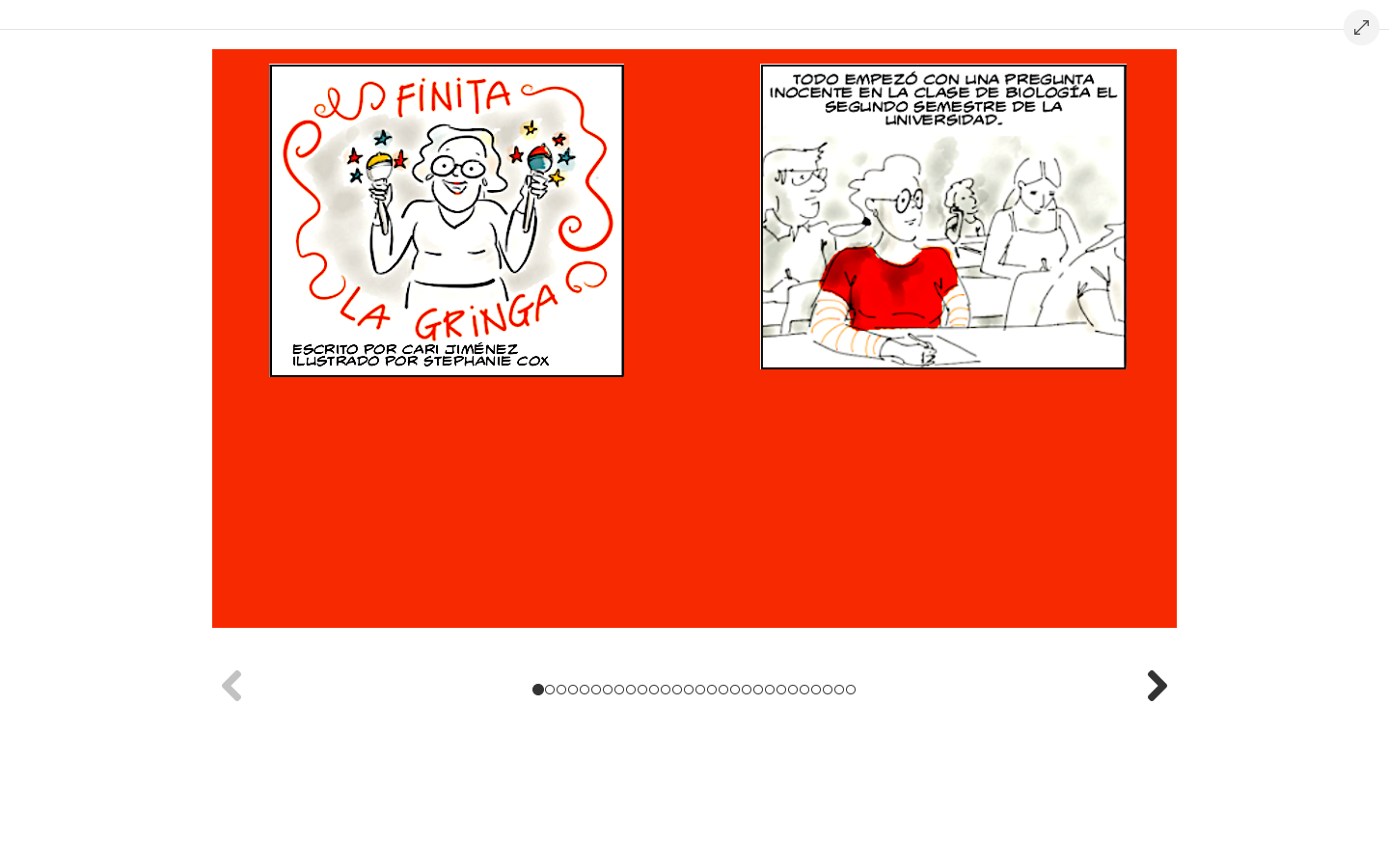
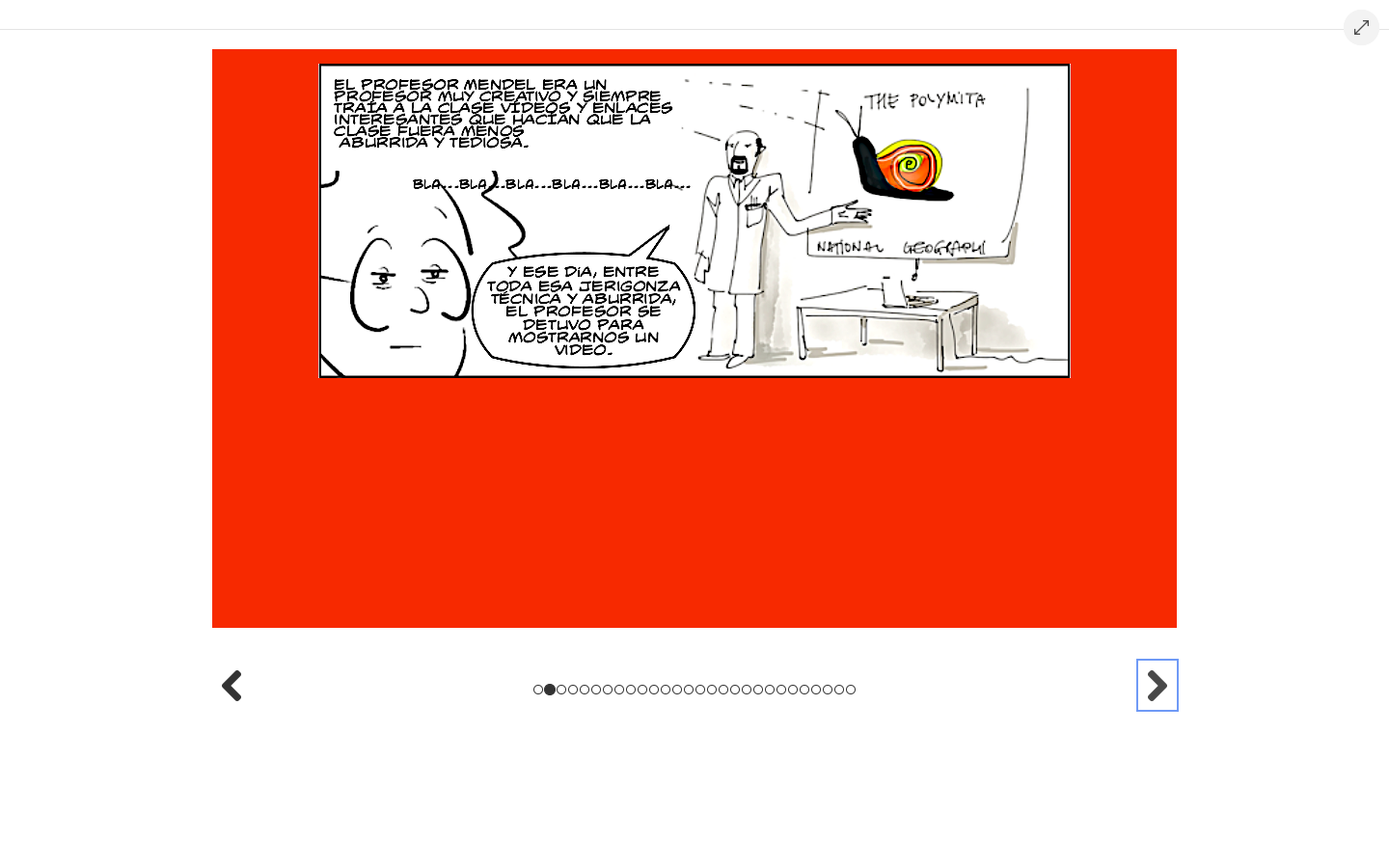
Jiménez, Cari. Finita La Gringa.