Interpretive, Interpersonal, and Presentational Modes of Communication
My E-Portfolio
Exploring Culture
Several products helped me gain a better understanding and taste of cultural perspectives that are from Spanish heritage/tradition. Exploring different countries and foods from Spain and Portugal greatly helped with my growth. The food products that helped gained the knowledge are some such as Paella, patalas bravas, and pisto.
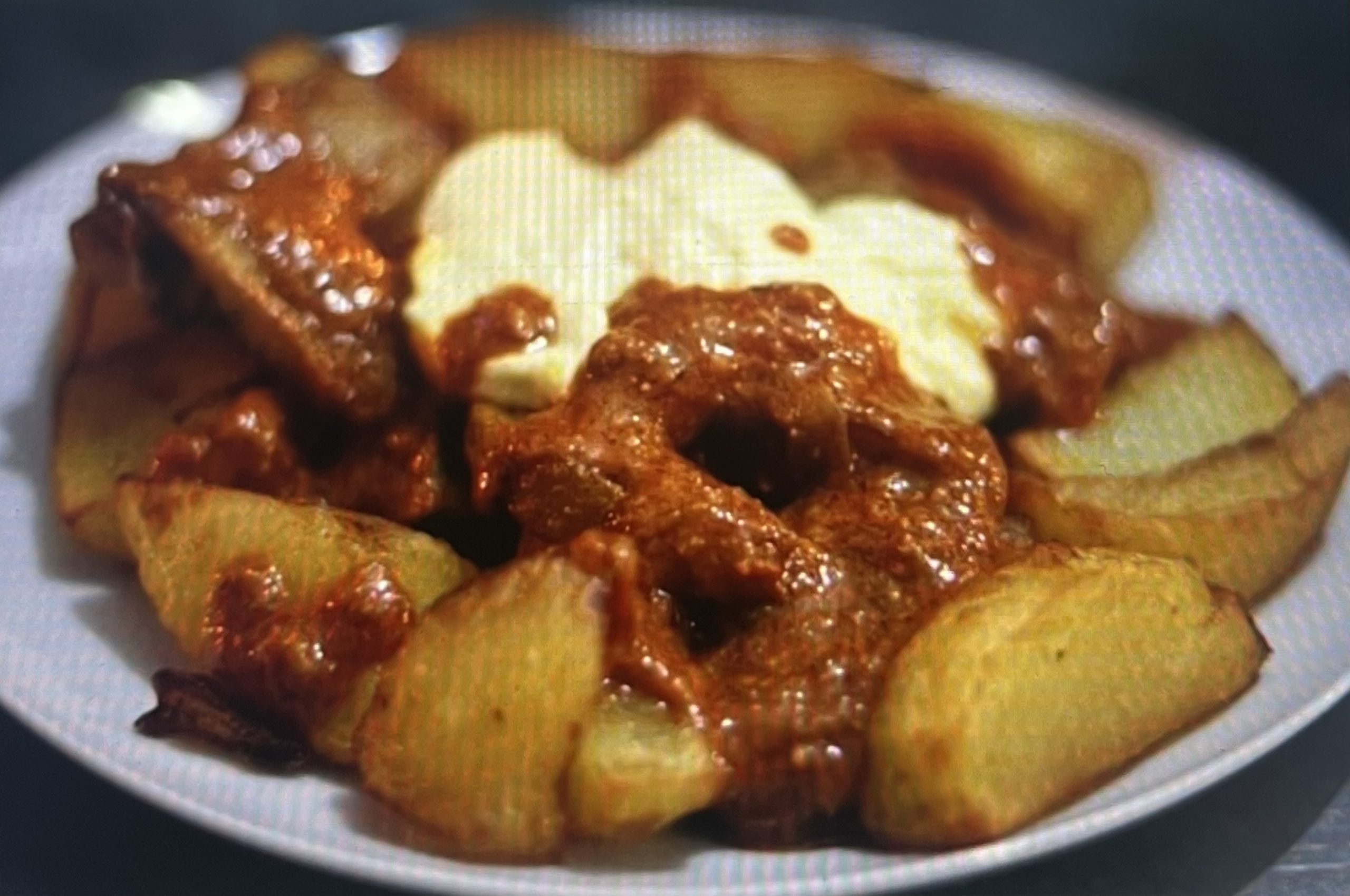
When I tried some food directly from the Spanish culture, they used different spices and seasonings. It was an environment of dancing, good vibes, and smiles. The part I loved the most was how much opportunity there is for me to indulge in such a diverse culture. Opportunities such as being fluent, learning how to make cuisines, and learning how to dance i.e. salsa and tango.
Engaging in Communities
Having a connection with the community is very important for numerous reasons. This is the place where people call themselves building generations of families. To know who and what is around you contributes to peace of mind.

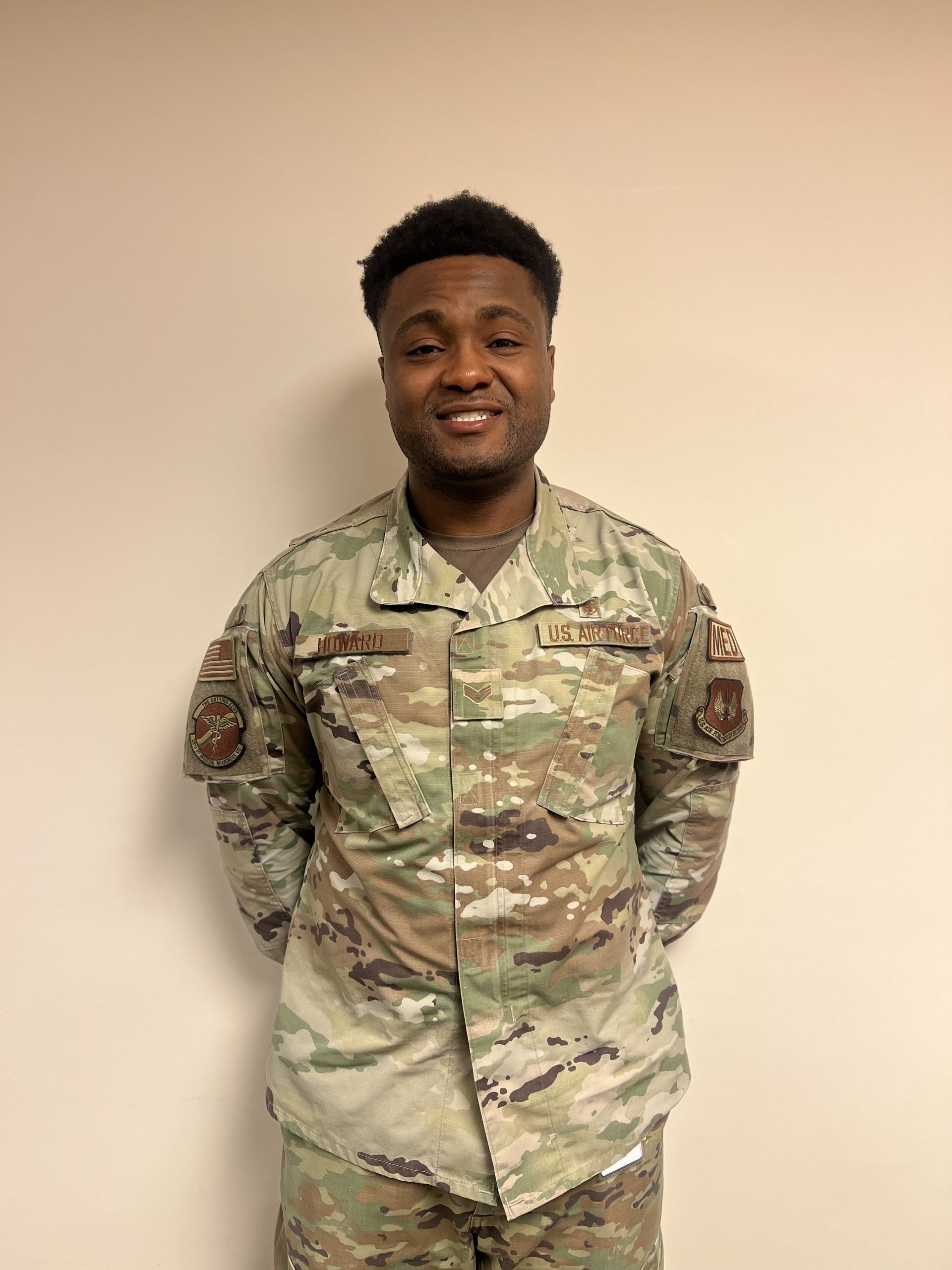
There was a moment when I was living in the United States around the eastern part of Virginia. With me being in the United States Air Force, I sometimes deploy and must leave my home. During times like that, there were neighbors that I trusted to watch over the vicinity while being away for sometimes four to five months. The things like that meant the most because the last thing someone wants is to come back to a home that has been burglarized.
Interpersonal Communication
During the 2022 Fall Semester of Spanish 101, the students were instructed to complete verbal assignments on two different databases called “Flipgrid” and “LingroLearning”. Each student had to verbally practice and experience their ages, families, and events during the week, and with it, all being grammatically correct. Those programs helped not only me but my peers become more familiar with Spanish agreements.
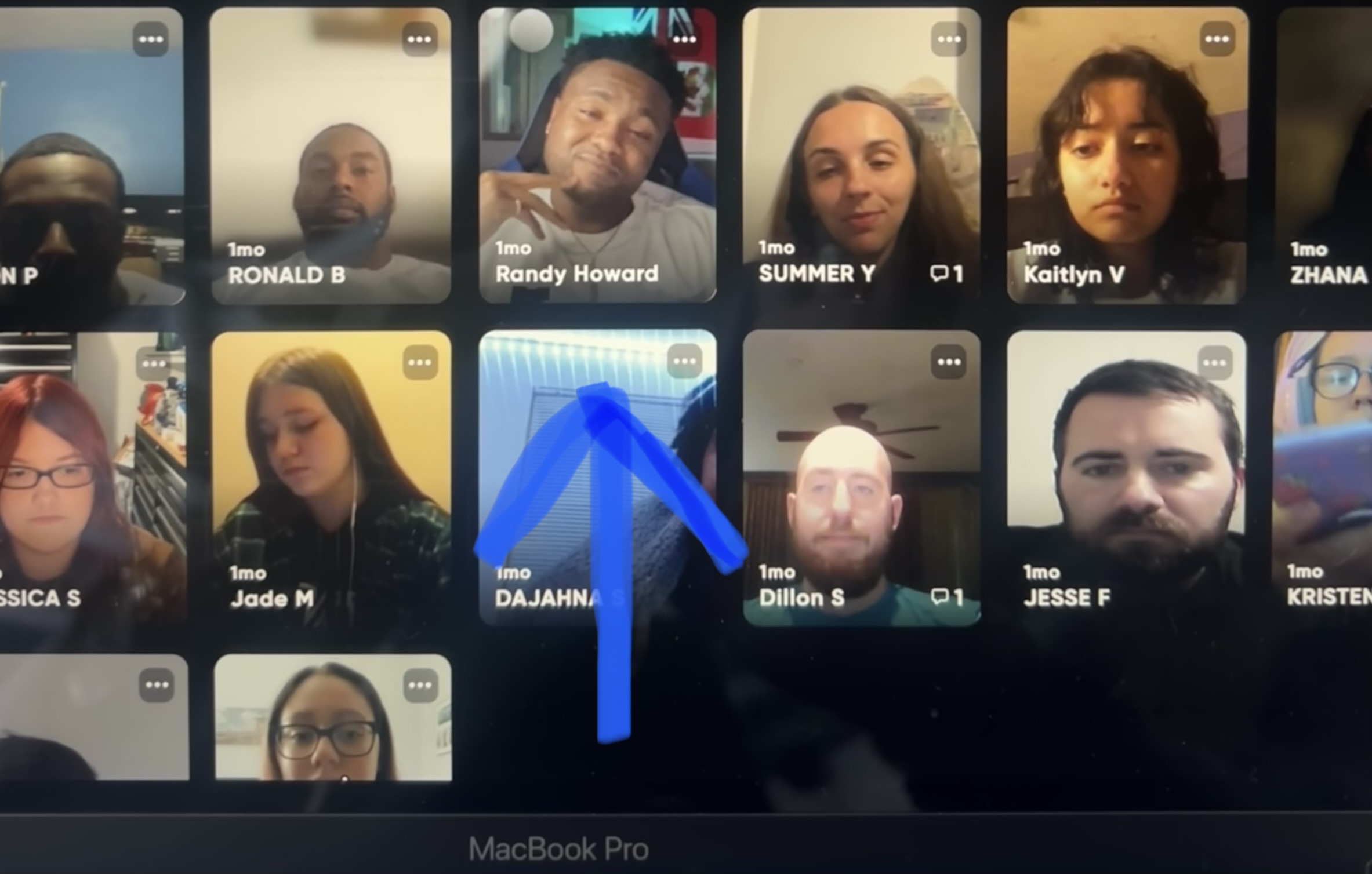
We had various topics of discussion in the Spanish 101 curriculum. Some of the topics assigned were more interesting than others but all of them helped me become more familiar with the Spanish vocabulary. Topics included talks about social media and how using it could be beneficial. Another topic that was discussed that I found interesting was how people show affection in different countries i.e., France, Spain, and America. The most difficult conversation to talk about was about the oldest University in Granada. Only because I had to do research and had no familiarization.
Presentational Speaking
The most fundamental speaking activity that I’ve completed this semester during the Spanish 101 course is the self-recording on the “Flipgrid” database. It was instrumental in building the foundation of my Spanish because you not only seen yourself talk but you watched others too.
Reflecting on those presentations, I talked about a few different things. For example, the first “Flipgrid” post week one we discussed surrounded the topic of explaining things about yourself i.e., how are you doing, introductions, and where you are from. The second post was about the schedule of the courses that students are taking this semester. The last presentation was about the classes specifically i.e., your favorite and most difficult course that one is taking.
Presentational Writing
Our Spanish 101 class did not have a portion where we had to complete any type of blog, flyer, or pamphlet. I believe if we were to attend the in-person version of this class then that would have been an assignment under our syllabus.
I do believe that completing any type of blog, flyer, or pamphlet would have been beneficial for advancing our ability to translate the work we’ve done in class. If we had to create a pamphlet of some sort, I would have made three main sections within the document. The first portion could have been about me i.e., biography. The next portion would have informed the audience about what I hoped to gain from the course. And the last part would have been about my favorite part of the class so far.
Interpretive Listening
The interpretive listening part of learning another language is extremely important. When listening one must make sure they avoid distractions to not misinterpret what another person is saying.
The most interpreting that we had to do this semester was when the instructor spoke to us in Spanish, and we had to reply correctly in the same language. I found this to be very beneficial because we first had to understand what she said and then come up with our reply. Throughout the course, this part helped take me to the next level by becoming better versed in Spanish. Practice is the only way to get over the difficult part of this section. Each day I listened to either music, an audiobook, or a podcast to assist with the issues I was running into.
Interpretive Reading
This is very similar to interpretive listening, but I believe reading was much easier to understand from Spanish. Throughout the course, I never had an issue with understanding the English meaning of a Spanish word. It came naturally. The items that I most interpreted were discussion posts from other classmates.
When students wrote discussion posts, they had to add two separate comments to other students’ original posts. Some of the replies had in be in Spanish. This is where I’ve done most of my interpreting. Understanding what another person wrote was sometimes difficult because as a learner of a different language, every statement is not going to perfectly agree. I grew from interpreting by understanding how sentences should be written and how to make each word perfectly agree with the correct pronunciation.