Blog 10 – Course Reflection
As this course comes to a close I can honestly say that I’ve accomplished the expectations I initially had for myself and so much more. I wanted to learn about cultural diversity and the impact of culture on human life as well as gain a better understanding of people from other cultures and develop skills to efficiently interact with them. Well, I learned that and more. This course has caused me to make connections between the subject matter that I’ve learned in other courses and this course and tie them into what I witness at inpatient unit I work at. It’s provided me a solid foundation of knowledge to pull from and use moving forward. When I originally opted to take this course I envisioned it would discuss solely how people of different cultures behavior differently from one another but it turns out that Cross Cultural Psychology is so much more than that. Yes it’s about behavior but it also deals with attachment styles of different cultures, how we learn and socialize, parenting styles, and autonomy. I’m now aware of just how complex culture is and how impactful it is in our well-being, development, identity, and personality.
One of the biggest obstacles I faced was developing tunnel vision when it came to completing assignments. Over the course of the semester I set up benchmarks for myself to turn in assignments early, read the requirements and writing prompts of the next week’s assignments a week in advance, reread and outline chapters the weekend before tests, and divided my writing sessions down for papers into different days instead of trying to knock it out in one setting. To my surprise all of this worked! As a result, I’m doing great academically and I no longer find myself feeling overwhelmed or stressed out over assignment due dates or even tests. By splitting my assignments up I decreased the occurrence of burnout and overcame my tunnel vision that I usually get when trying to make due dates for assignments. By identifying the problem (my tendency for tunnel vision), setting small goals to overcome it, and holding my self accountable to perform each task within a certain timeframe, I changed how I viewed it. I no longer saw it as this hopeless task, too big to tackle. Instead I saw it for what it was, a simple problem that can be solved with simple solutions.
Even so, I would tweak one thing if I could retake this class and that would be to divide the submission due dates up and move my personal submission due dates up to three days prior to the actual class due date. I currently have them set at two days prior to the actual due date but I found this to conflict with my other classes and left me with multiple assignments due on the same day, sometimes around six or seven. But if I divided the assignments up into individual days, even with all my other class assignments, I would have no more than four assignments due on any particular day which keeps my stress level down.
This course has taught me to view others from their own cultural lenses and not my own. Previously, I viewed people using the framework of my own culture without knowing it which lead me to misjudge a few people and their intentions/behaviors and this can be harmful in certain situations. For example, when reflecting back on my college dormmates who were foreign exchange students, I misjudged many of their interactions with me as being shy or uninterested when in actuality they were simply exhibiting interest through their own cultural scope. I’ve started to keep an open mind and when I meet someone from another culture or just someone new I try to see them through the eyes of their own culture/background and not simply my own.
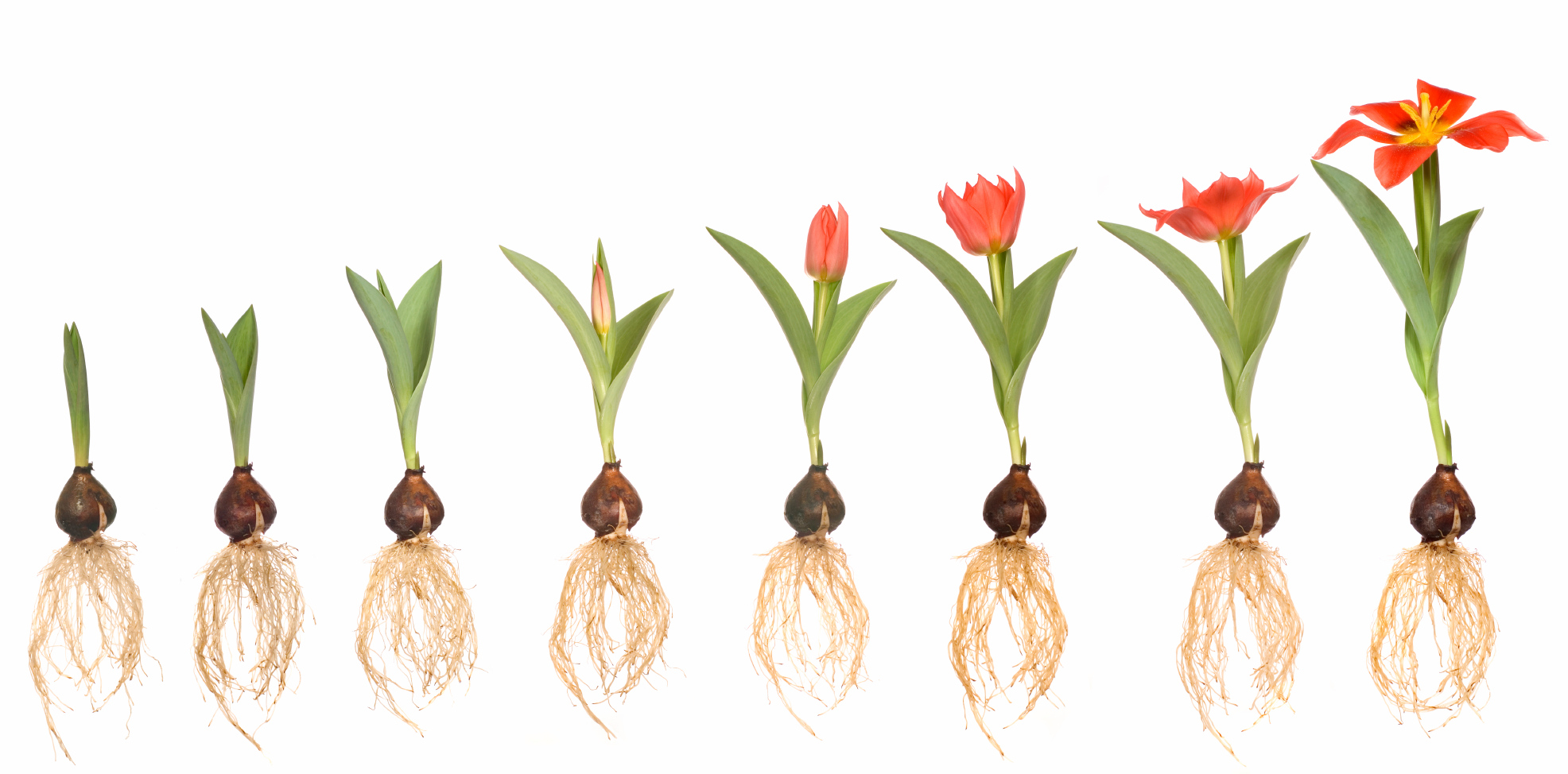
I planted a seed on how I wanted my semester to go, watered it with action and dedication, and it blossomed into my reality.
Blog 8 – Cultural Expressions
While attending JMU I became friends with some Asian foreign exchange students and witnessed that they display their emotions more so in their eyes and that their emotions aren’t as obvious as Americans. This can even be found in television shows, such as Japanese anime characters in comparison to American cartoon characters. For example, Japanese characters tend to smile more with their eyes than their mouths. Their mouths might have a slight upward smile but their eyes will be beaming with joy depicting how happy they are. However, American cartoon characters depict happiness with a big, open mouth smile showing teeth. This was quite similar to the Asian foreign exchange students I befriended. Less emphasis is given to mouth expressions compared to eye expressions. I remember when I first introduced myself to them in my dorm hall and I thought they came off as shy or timid because they didn’t appear to be as happy or enthusiastic as I expected someone in their position to be. To me, their behavior was the opposite of how the other girls I met in my hall. But as I got to know them I realized that was just how they behaved. In fact, they weren’t shy at all but very outgoing. Actually, I wasn’t aware it was a culture thing until this class. It makes so much sense though. In my case, cultural display rules can explain why two different sets of girls experiencing the same situation displayed the same emotion in different ways and how I interpreted them quite differently.

A depiction of various emotions expressed by an Asian anime character.
Blog 7 – Influences
Stories pass down tradition, morals, and ideals and fairy tales are no different. This is one of the ways in which the ideals and morals of society get passed down to younger generations and which is why there happens to be many versions of the same stories retold. One of my favorite stories of all time is Mulan. This story promotes the importance of honor, bravery, and selflessness – ideals held in high esteem in Chinese culture. Mulan, a young girl sacrifices everything by taking her father’s place in battle after he receives orders to serve in the Chinese army. This story influenced me greatly growing up. It showed me that there can be a positive to making a sacrifice. Growing up I watched my mother sacrifice for us and other family members and it wasn’t always a happy ending but in this story making a sacrifice for others was a good thing. She saved my father’s life and many of the men she fought with as well as brought honor to her family. Now, I make sacrifices with no hesitation as being selfless is a good thing. I’m also big on making sacrifices for my family and I like to think it’s partly do to the reinforcement from the story of Mulan, and my mom of course.

A copy of the original Ballard of Mulan which was later transformed into the Disney hit Mulan.
Blog 6 – Self Determination Theory
Academically, I satisfy my need for autonomy by choosing the classes I take every semester. Autonomy is the need for us to feel in control of our choices, decisions, and goals. Selecting my classes every semester provides me with this need as well as the choosing when I will turn in the assignments that are due. Although they already have a due by date, I decide exactly when I turn them in as I’ve gotten in the habit of trying to submit assignments early. I satisfy my need for competency by learning my courses content through reading and outlining chapters, completing assignments, and taking exams. This helps me feel as if I’ve mastered what I’m learning in class. Outside of the classroom I try and identify the themes/concepts I learn in class in my life and the lives of the people close to me – past and present – and even at work. Lastly, I satisfy my need for relatedness through the class group chats I’m in, the discussion boards I interact with other students in for class, the group projects I complete with others, and having access to other classmates and psychology majors via email or on campus.

Autonomy, relatedness, and competence connects us to influence our well-being psychologically.
Blog 5 – The Self
After completing this exercise I can say I have a more so independent construal of self, which isn’t surprising considering I’ve been raised in an individualistic culture. Many of the qualities I assigned to myself are personal and internal such as I am caring or I am kind. Numbers 1, 2, 3, 5, 6, 7, 9, and 10 are associated with an independent construal of self. I only assigned two situational qualities to myself like I am a hard worker at work and I am a good listener with my family which are numbers 4 and 8. Overall, the picture I’ve painted of myself is that I’m kind and caring as well as creative and smart. I’m big on family and they can always count on me to listen to them. I’m a hard worker at work and driven to accomplish my goals which adds to my claim of being resilient.
Two English proverbs that I was able to think of are “two heads are better than one” to demonstrate an interdependent construal of self and how working with others is beneficial. This proverbs highlights the positive side of being connected to others and having a working relationship with others. The other English proverb that I came up with is “early bird gets the worm” This proverb shows that being a highly motivated person to get up early and take on the world can lead to success and accomplishments. This was the easiest of the two to come up with. Finding the interdependent construal was the hardest for me because I’m more prone to identifying personal qualities and the importance of sticking out than how I view myself in relation to others.
My self-construal of myself is more independent than interdependent, if you know what I mean.
Blog 4 – Exam Review
Having the opportunity to review the questions I answered incorrectly allowed me to see that I need to pay more attention to thoroughly understanding concepts while I read through the chapters. The questions I missed pertained to concepts that I grazed over and merely wrote the definition for rather than taking the time to understand the totality of the concept or theory. I gave little effort to review these concepts or paid much attention to the examples given in the text to increase my comprehension which was a mistake. A few days prior to the test, I reread each chapter while answering the questions on the review sheet to refresh my memory. Then the day I planned to take the exam I answered the questions on the review sheet to myself – aloud – only referencing my answer sheet to the questions I didn’t quite understand. Reading the chapters over and using the review guide helped me greatly but there is still room for improvement. I plan on paying more attention to the examples provided in the text and start reviewing each chapter as soon as the review guide is available so I’ll have more time to review the material. This will allow me ample amount of time to digest the information so when I do my final review for the exam, like previously, I’ll know the material and won’t have to refer to my answer sheet. It’ll also prevent me from cramming which I sort of did this time as I started studying the Sunday prior to the exam due date.

A glimpse into the madness that occurred this past week. Preparation is key if you want to succeed!
Blog 2 – Values
Growth, performing meaningful work, service to others, and learning have to be the top values related to my career pursuits. It’s always been important to me to have a career that allows for growth and continuous learning which psychology has. There is still so much that we have to learn concerning the brain, behavior, cognition, development, etc. A lot of progress has been made over the years, yet there is still so much more that can be explored, especially with society constantly changing.
I’ve always enjoyed helping others. As a young girl my mother would bring me along with her as she helped out in our community passing out meals and clothes to the less fortunate. I can recall numerous times when she gave money to complete strangers on the street who asked her for spare change. She instilled in me the importance of being of service to others and providing meaningful work that makes a difference in someone’s life. I knew I wanted to provide a meaningful service to others but it wasn’t until seeking therapy treatment myself that I knew I wanted to go into the field of psychology. It was then that I realized I wanted to help people learn ways to help themselves just as I did. I became a life coach which allowed me to assist individuals in reaching goals and overcoming self-imposed barriers which was so rewarding. The feeling that provided me, seeing the progress clients made and hearing how grateful they were for my services, confirmed that I was on the right path. This propelled me to continue my education to become a therapist and finally a clinical psychologist. Being a life coach is great but I am unable to treat clients suffering from mental illnesses, such as anxiety or depression, which severely impacts a lot of people’s lives. This is what I really want to do, help those who are suffering from the effects of trauma and emotional disorders.
My family and friends played a significant role in my decision to pursue a higher education. I am a first generation college student and it was this fact that pushed me to continue my education. Although my mother wanted me to go into financial management, she’s still happy with my decision to go into psychology. It’s a good runner up career as she always called me her “little psychiatrist” growing up. My friends encouraged me a lot to get my degree when I was considering it years ago. Nearly all of them have obtained or are currently pursuing degrees themselves and as the saying goes birds of a feather flock together.

My values, experiences, and relationships are a few of the ingredients used to obtain my “flavor” of life.
Blog 1 – Expectations
I am super excited to take this course after reading the first few chapters on culture and enculturation. I think it’ll give me some great insight into how to treat patients from different cultures. I currently intern at an inpatient psych unit at one of the hospitals so I’ve had the opportunity of interacting with patients suffering from multiple disorders and from different cultures. By taking this course I’m hoping it’ll tie it all together – my work experiences and previous classwork – and give me a better understanding of the disorders I witness while on the unit. In this class we’ll discuss cultural diversity and the impact of culture on human life as well as gain a better understanding of people from other cultures and develop skills to efficiently interact with them. If I gain a better understanding of the role culture plays in the development of behavior then I will have a better understanding of what leads my clients to behave as they do and how I can best help them change their dysfunctional behaviors. For instance, just this week I had the opportunity to interact with an Asian patient and her family during a therapy session. I was able to witness how the collectivist mindset impacted her depression and her tendency to focus more on her somatic symptoms instead of her emotional and psychological symptoms which most Westerners do. It’s imperative for me to know that this is common in Eastern cultures and understand why this occurs if I wish to build rapport with patients from cultures outside of my own so they may get the most out of their treatment while under my care.
Aside from the enormous amount of knowledge I hope to gain by taking this course, it appears to go over a lot of content. I’ll have to be very careful that I don’t develop tunnel vision and spend too much time trying to digest one specific course topic which results in me neglecting other important topics and falling behind in the class. Fortunately, I do have a plan in place to combat this. I’ve set reminders in my phone and outlined all my assignments on my calendar to prevent this from happening. I plan on turning in assignments at least 2 days early to combat my tendency to procrastinate and review chapters twice in preparation for exams to ensure I fully understand the content. Online classes can be a lot of work. They require discipline, organization, and lots of time all of which I am prepared to give and be this semester.

https://borgenproject.org/cultural-opinions-on-poverty/
Illustrates individualism vs. collectivism, one of Hofstede’s cultural dimensions that provide us with a collection a values imbedded in various cultures.