Interpretive, Interpersonal, and Presentational Modes of Communication
Exploring Culture
There were only a few websites and apps that helped me this semester. The two websites that contributed to my better cultural understanding were Lingro Online and Duolingo. Lingro helped me understand the Hispanic culture in depth with very intensive and in-depth backgrounds. Lingro also gave multiple diverse hispanic cultural backgrounds and perspectives from LGBTQ+ to the well-being of Spanish-speaking countries.
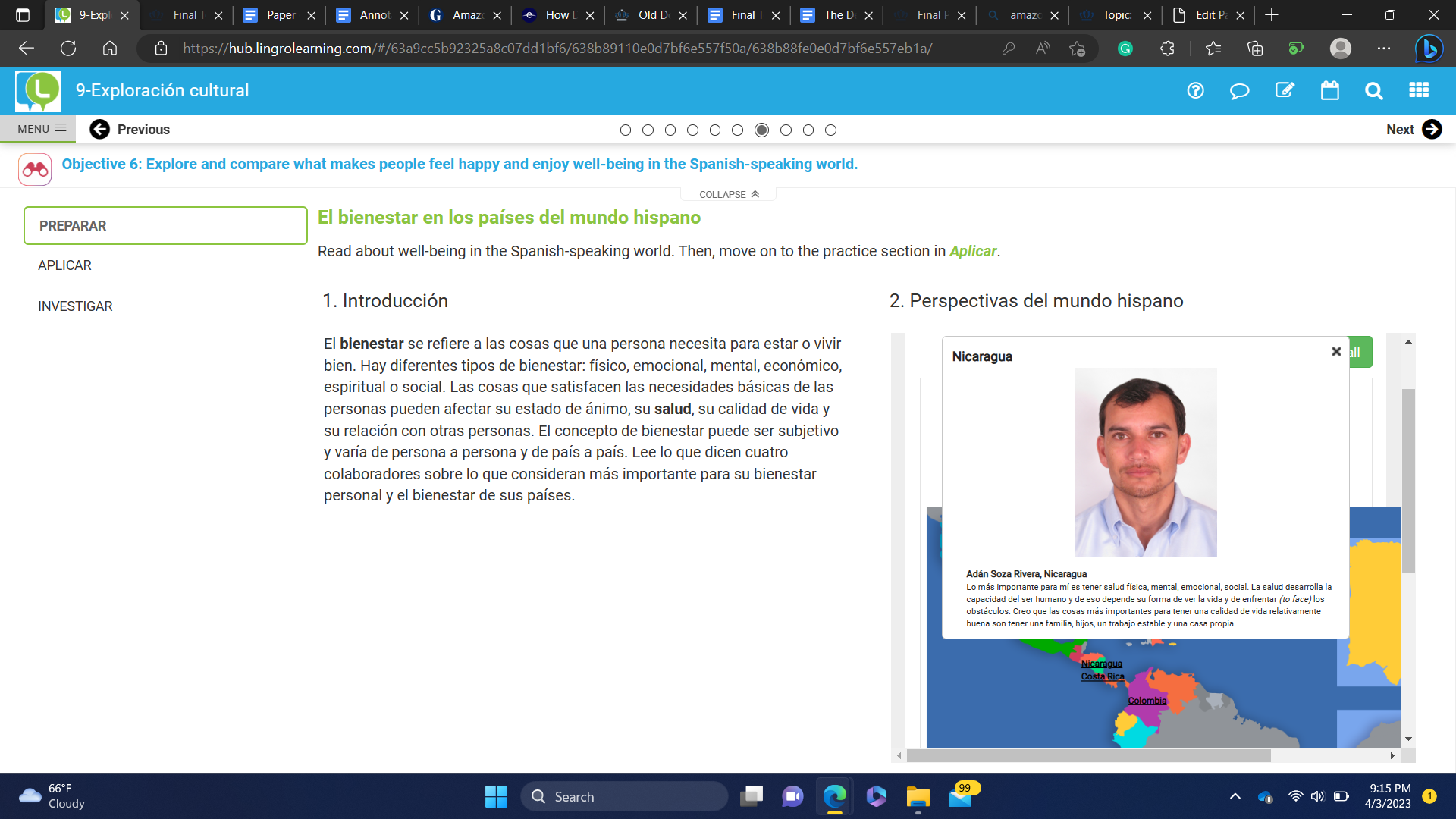
The information and perspectives I learned throughout this semester have given me a better outlook and understanding of why people may act or think a certain way in Spanish-speaking countries. I have learned that not everyone reacts the same way to everyday occurrences as I would because of the different lifestyles, which has been very eye-opening. A misconception I worked through was the idea that most of the Spanish-speaking countries were mostly open to LGBTQ+ people I was happy to find out I was wrong. Although there were many who were still constrained about the idea or flat out didn’t accept it at all which isn’t surprising but am happy to be wrong about my general assumption and took away much-needed information from the assignment.
Engaging in Communities
I think engagement with your community and global community is important because it is an excellent way to develop your Spanish-speaking skills. One way it can help is by improving your facial cues when having a conversation to better understand the mood of the sentence. Another is when engaging with local communities, a sense of familiarity can make it easier to speak and practice a new language free from feeling judged.
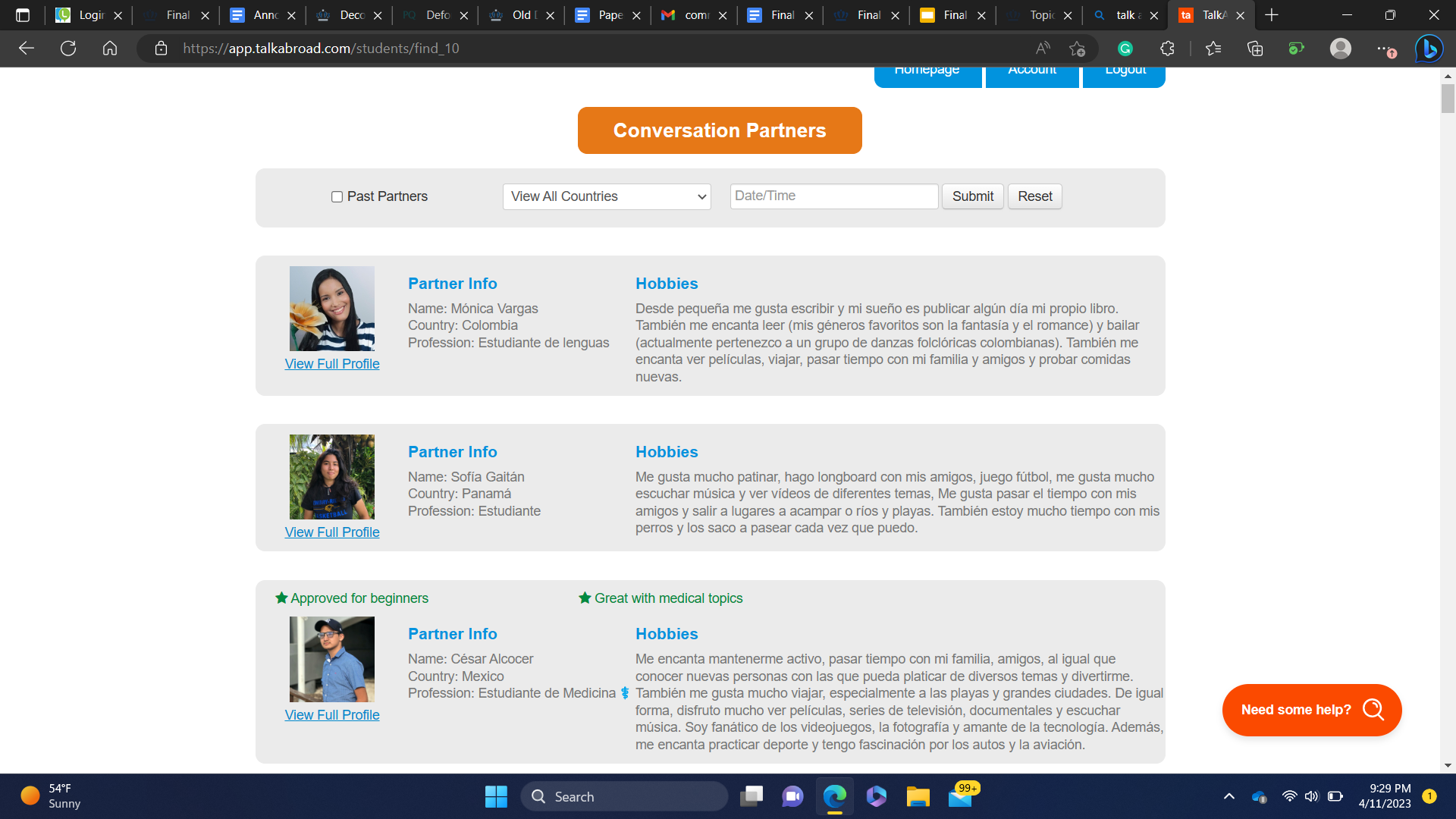
Participating in conversations in talk abroad contributed to me being a more confident speaker overall. It helped bring me out of my comfort zone by talking to random people in a language I’m still learning. Looking back at it now it wasn’t as bad as I thought it would be and has contributed to the confident Spanish speaker I am today.
Interpersonal Communication
There were only a few instances of in-person oral communication some examples were in-class communication and Talkabroad. Over the semester my classmates and I were encouraged to communicate back and forth with each other to complete assignments. Talkabroad was another outlet for us to practice conversations and learn from them to make improvements to apply to real-life conversations.
Talkabroad was a scary and hard group of assignments to complete initially. But after completing the first Talkabroad the second time around I felt more confident in pronunciation and comfortable making a mistake during a conversation. Another example was conversations in Lingro at the beginning of the semester I wouldn’t know what to say and spent useless time trying to figure out what to say. Thankfully by the end of this semester, it was a breeze to reply back to my classmates’ assignments. In general, These two websites immensely contributed to the confidence and level of understanding I have today.
Presentational Speaking
During this semester I was required to complete two presentational projects in front of the class. These presentations were end-of-the-unit presentations on foods you liked to eat and how to make them and the other was about describing your family.
I have always had an issue with stage fright but during this semester I have made notable improvements. During my first presentation, I was so nervous that I would mix up words or forget my train of thought. But by my second presentation, I had become more confident in my speaking ability as I became more comfortable with my classmates. Which allowed me to overcome my fear of presentations.
Presentational Writing
This semester my professor assigned two presentational writing for the class to do. One of them is about sports and exercise and the second is about physical and mental well-being.
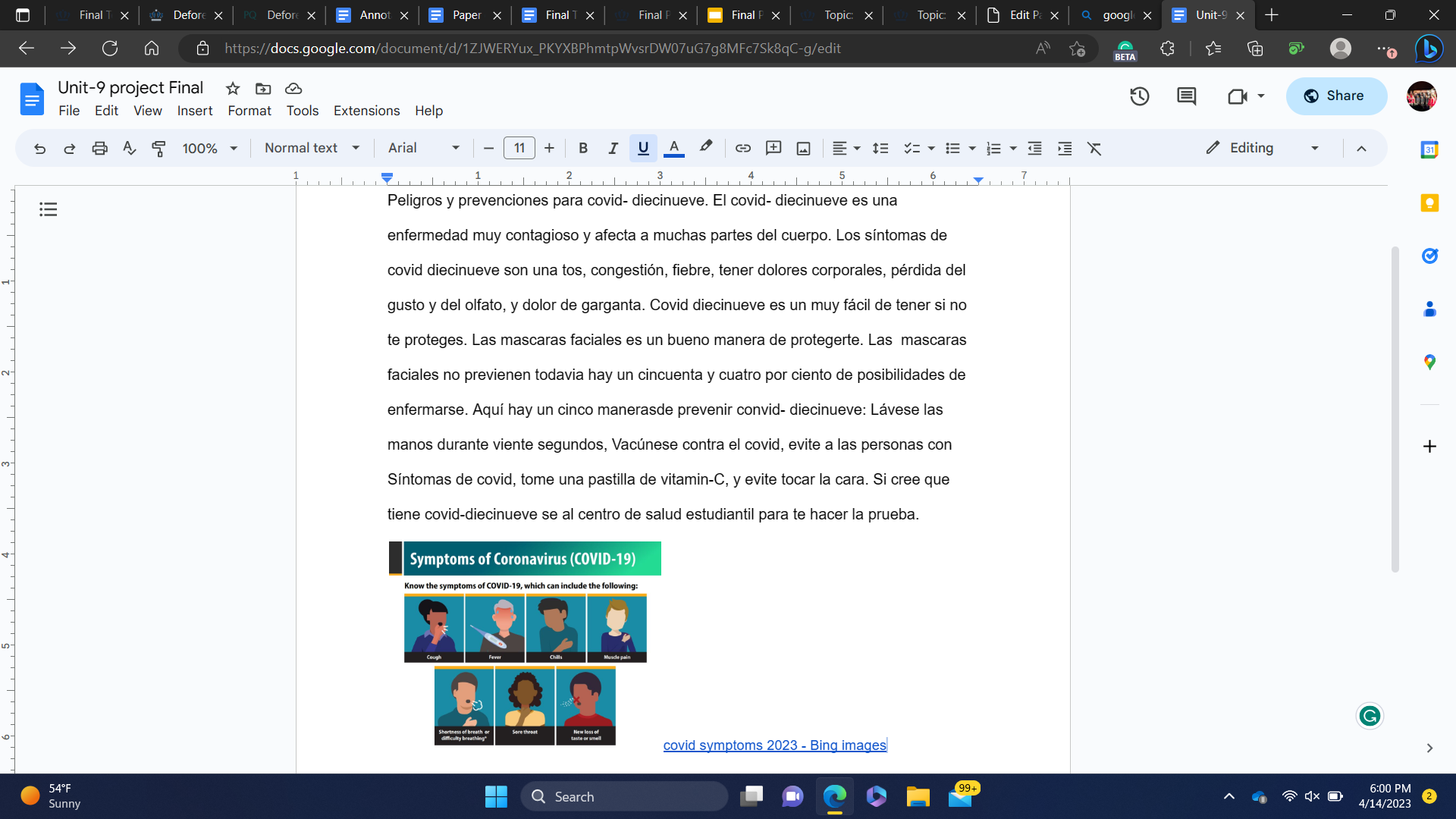
Ever since Spanish 101, I have always struggled with spelling and the use of accents. During this semester I strived to make improvements on these struggles during my presentational writing. To overcome this I constantly studied and work on my memorization of words and slowly sounded out words to try to hear accents. Now it has definitely become easier but it is still a weak spot I am continually working at.
Interpretive Listening
There were only a couple of instances of interpretive listening such as Duolingo, Lingrolearning, and Talkabroad. Although out of the three, the most intensive and best of the three was Lingrolearning since it went in-depth and had explanations.
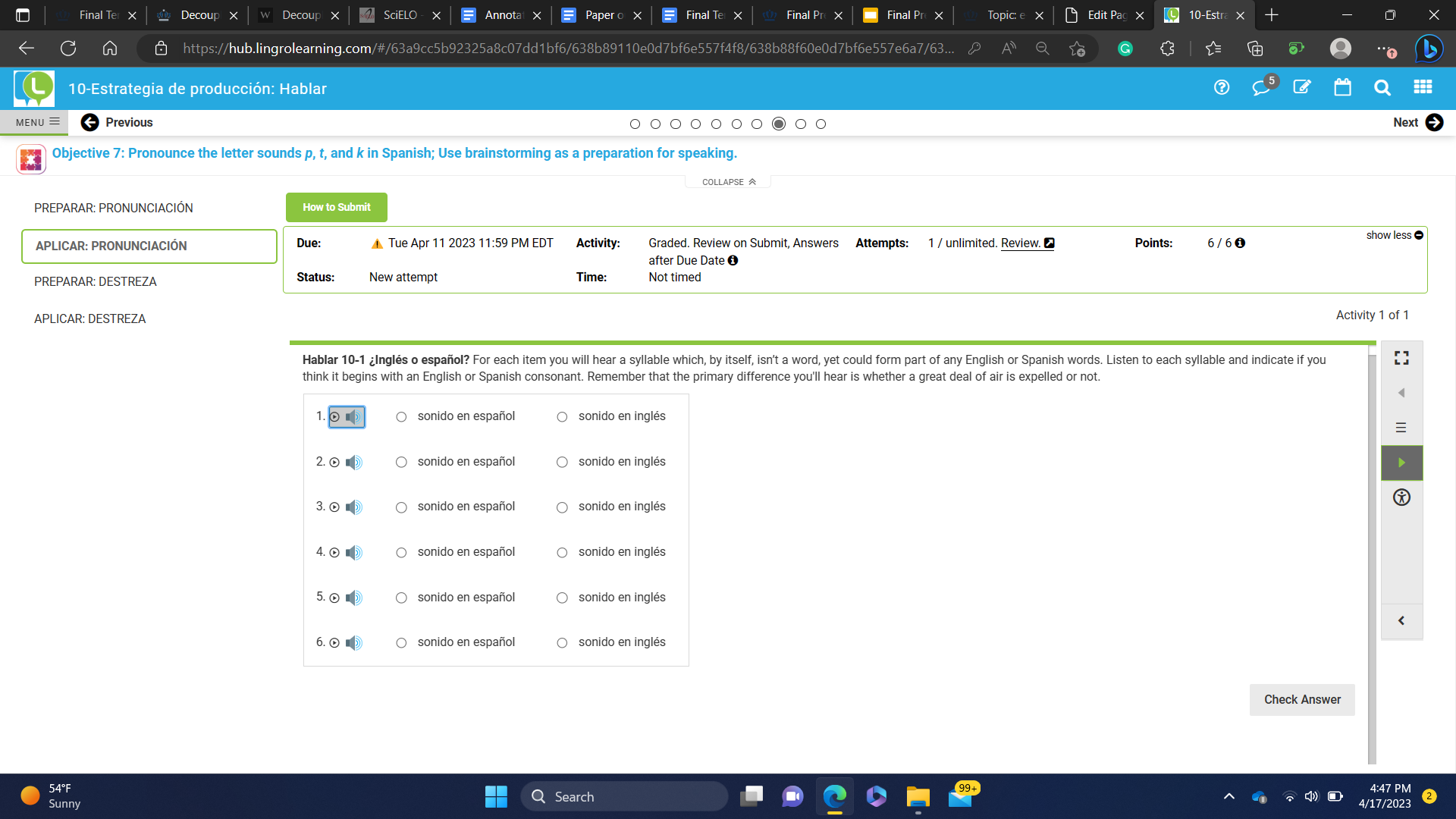
Throughout the semester I listened and learned all types of things from mental health and well-being to types of foods and how to prepare them on Lingro. An example of the types of listening activities I practiced is shown in the picture above. Lingro was helping me listen for differences in syllable sounds in different languages. All the listening activities on this website were effective in helping me become familiar with verbal cues and vocal differences helping me improve my translation ability overall. I can confidently say I am a better active listener and interpreter of spoken Spanish now because of Lingro.
Interpretive Reading
During the semester there were two websites I used to practice my interpretive reading skills. These sites were Duolingo and Lingro Learning both had a great reading but I personally preferred Duolingo’s since it was more interactive and entertaining.
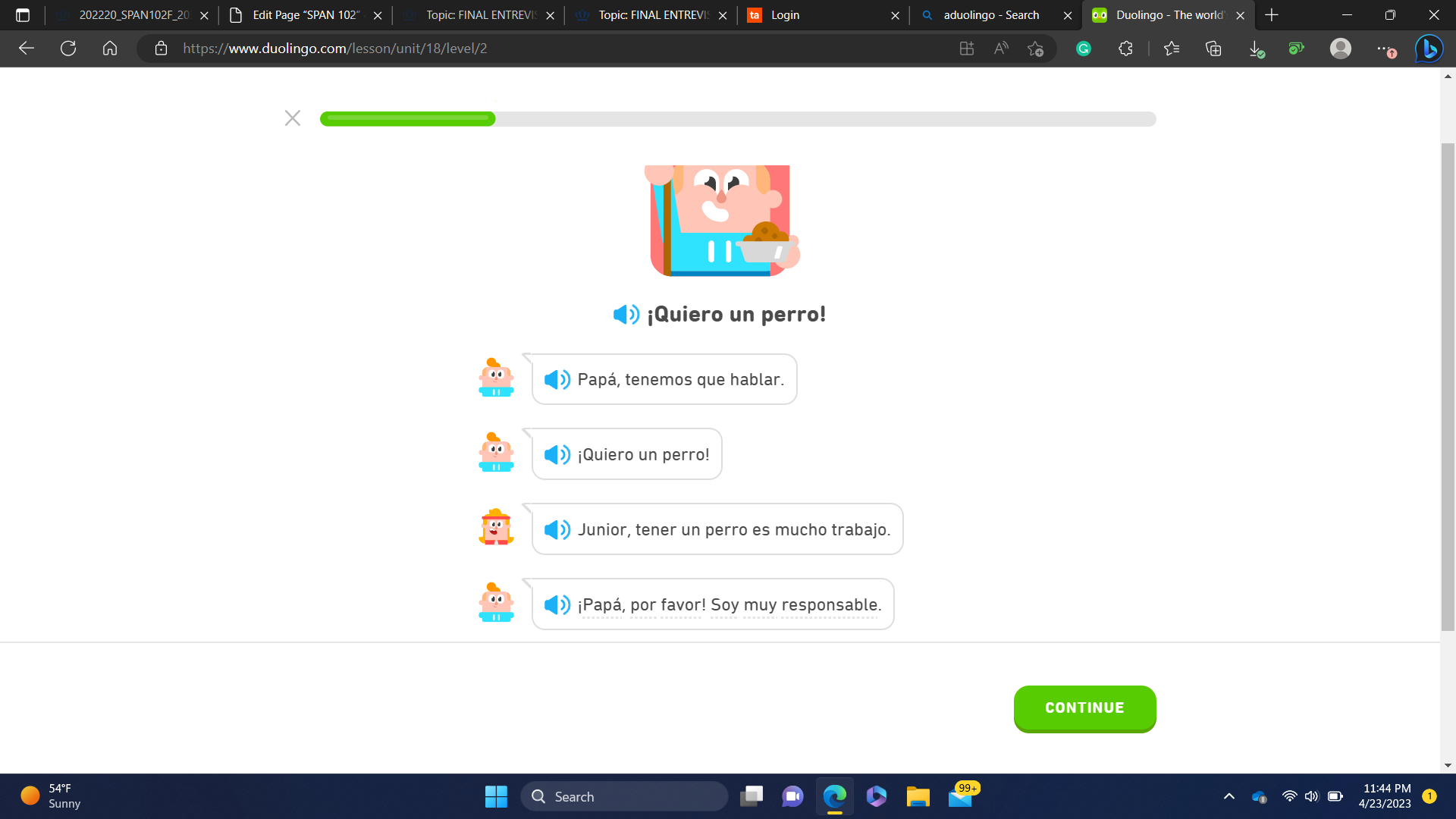
My biggest struggle with interpretive reading is the direct translation from Spanish to English in my head it always gets mixed up incorrectly in my head. Over this semester I worked on this issue by practicing it repeatedly in Duolingo to make improvements. It made it easier to constantly work on this topic on Duolingo since the little stories were funny and entertaining. Overall this semester my reading skills have improved notably thanks to the help of Duolingo and Lingrolearning.