Artifact 3
Psychological measures can be used for various constructs, such as happiness. Using short questionnaires such as the SHS can be helpful to gauge someone’s current moods. Even though it is only four questions, I can imagine how the SHS and others like it could use it to gather information about a person quickly, aid in care decisions, or develop goals for therapy sessions.
Much like my other posts on this site, I am not doing okay this week. My score on the SHS was relatively low when I took it the first time. I retook it and had an average score when I noticed my mood improved. This is telling not only about my current emotional rollercoaster but also about how dynamic one’s mood can be. I know happiness is defined differently among genders, ages, and cultures. However, the most important definition of happiness is how an individual sees their own happiness.





The photos I’ve shared are a snippet of my definition of happiness. When I am with my friends and family and putting smiles on faces I am the happiest!
Artifact 2
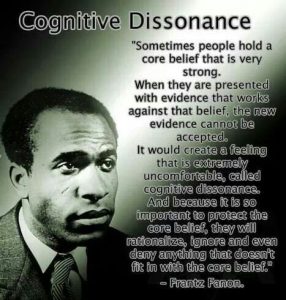
I would define dissonance as doing what is convenient or more desirable at the time even when you know it’s not right. People try to restore balance to their inconsistencies because they know the way they are behaving is wrong, for them at least. Having such imbalances can cause stress and anxiety.
One example of cognitive dissonance that I struggle with daily is eating right and exercising. I know that both are important and should be a daily practice. I used to be a fitness instructor and would preach to my clients about the importance of living a healthy lifestyle. To this day I can raddle off tips to anyone who asks. However, since the start of the pandemic, I have not maintained such a lifestyle. I do not exercise regularly and I eat whatever I feel like even though I can imagine my arteries clogging up. My biggest excuse is the gyms were closed for so long that I have lost my motivation for working out. Or I’ll say that eating healthy is boring and we will all die someday so I might as well die happy. I know in the back of my head eating out for the 3rd times this week is not healthy, but is what I desire, and it’s more convenient than shopping, cooking, and cleaning a kitchen.
Artifact 1
I gave 30 of my coworkers (Teachers and school administrators) either a “similarity leads to attraction” or “opposites attract” lead. I received 26 out of the 30 surveys back, of which 25 people agreed with the statement presented to them. They didn’t find the information surprising because “of course it’s true,” one teacher said. Those 25 people even explained why they believed their statement was true. Justifying their explainations with intuition, rational, and experiences that similarities or opposites attract. So which is true? Do opposites really attract? Or does being similar lead to attraction? Using common sense, we will never know the correct answer or if there even is one. This type of thinking is illogical, unreliable, and biased.
I chose this activity because it was the most engaging for me, and as I’ve moved through the course content, it set a good foundation for the concepts I’ve learned so far. I also enjoyed engaging with my coworkers and hearing their responses to why they chose to respond the way they did. Additionally, this semester I am taking research methods, and doing a survey like this was great practice.