League of Legends is a very popular game worldwide, especially its eSports scene which as far as gaming itself is concerned, had stood the test of time, every year there are more viewers watching the Worlds Finals. This project will go over different mediums of League of Legends reporting and to about their benefits and demerits. While there are a variety of avenues through which League of Legends journalism is presented, these five popular modes will be contrasted to each other on this page alongside their creators.
- Podcasts
- YouTube
- Twitter/X
- Info-graphics/Articles
- Online Forums
Before beginning, it’s important to note how exactly they will be compared. All these different options have separate benefits and demerits. So, I will base them on three criteria.
- Time
- Quality
- Accessibility
Podcasts
Podcasting as genre has gotten very popular recently. Of course it stands to reason that a scene like professional League of Legends would have their share of creators who make this type of content. Some examples would include Trash Talk, ran by an ex-professional player in Doublelift or Yiliang Peng. Due to his credibility and renown he was able to have multiple people on to talk that a majority wouldn’t have the opportunity to hear speak. Some examples of these people are other ex-pros, content creators in the scene, current pros, and even the CEO’s of Team Liquid, G2 Esports, and T1. These teams are all popular and because Doublelift is able to talk to so many of these high ranking players and members of the scene there is an unmistakably strong credibility built around this podcast due to the people that appear on it.
The Dive, is another popular podcast but unlike Trash Talk, which was created by an individual, it’s a Riot Games produced podcast. Riot Games is the company behind League of Legends itself. It’s been running since 2017 and is typically co-hosted by casters and personalities that work for Riot Games directly.
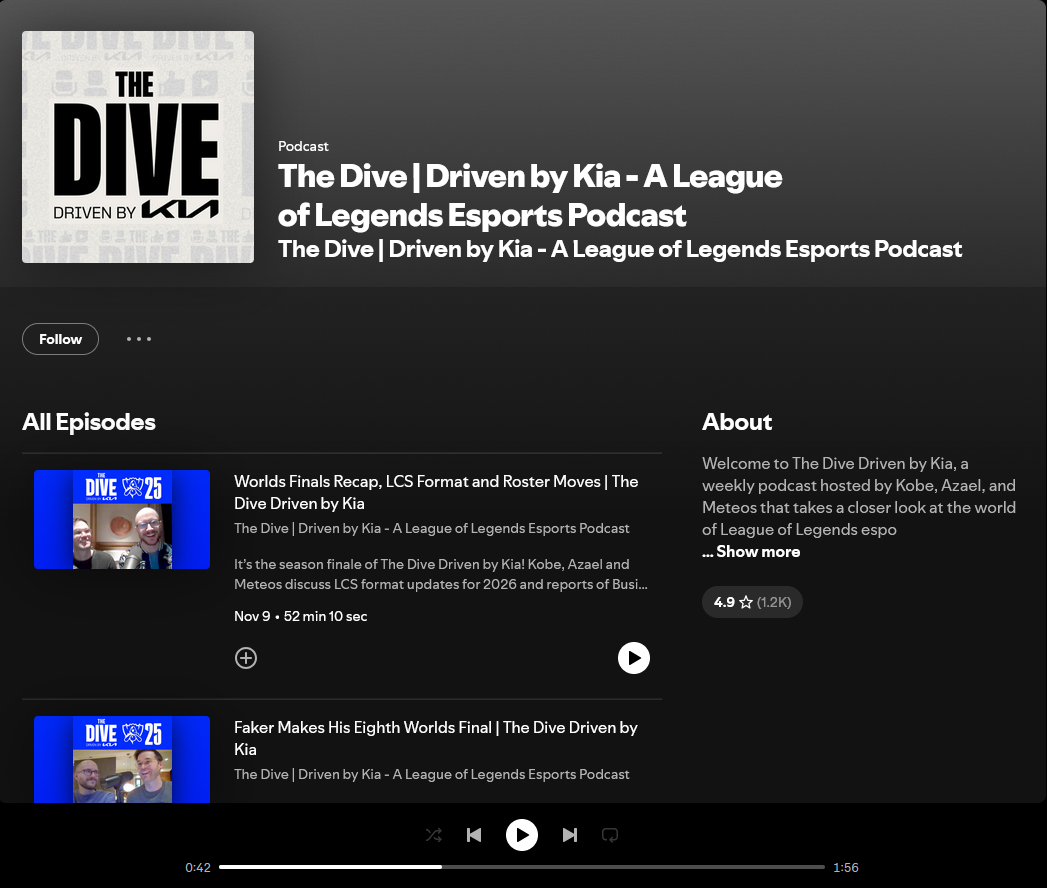
What Podcasts like The Dive offer are comprehensive talks about the scene, professional players, teams, and their performances domestically and internationally. It’s also one of the most professional sources as it’s run by Riot Games. All the hosts are informed in order to project a strong use of reasoning in their arguments and takes on situations.
Judging it from the listed criteria, podcasts are the most lengthy of the options, but they are also very easy to listen to, not being something you need to see as a video, or an image. This makes it the most accessible option. Something to consider about these podcasts is that the popular ones are those run by experienced people, usually an ex-pro. This show’s the quality level of podcasts, which can be seen as good but there isn’t a substantive factor enough to claim best. Generally, The Dive averages around 40-50k views a video, whereas Trash Talk’s lowest video view-count was 172,000. This shows that podcasts are a popular medium for consumers to absorb their League of Legends news.
YouTube
In League of Legends reporting, YouTube videos are found everywhere you look. While this speaks to the popularity of the medium, it also means there a niches for which different audiences seek. One of the most popular creators is Caedrel. He primarily covers the LCK or League of Legends Champions Korea, the highest level circuit for professional eSports in Korea. Typically his journalism content on the professional scene he primarily covers will involve longer form videos, and a browse through the different mediums of media, while making commentary based on both prior knowledge and what he sees in front of him.
This format is actually very common, and it’s effectiveness is evident in the view-count of videos where he discusses such topics, just recently acquiring 389,000 views on a video discussing the trades and player swaps for the 2026 off-season. IWDominate, a friend of Caedrel and the primary looking-glass for the western audience into China’s professional League scene, also does this. One thing that has changed in recent years, is the appearance of YouTube shorts. This short implements a style to reach audiences who don’t desire to sit through 20-30 minute videos.
Clips like these are very beneficial for those who want to stay updated on the situation, while having insight from someone who is much clearer on this situation as, that is his job.
That’s not to say that all YouTube journalists are packaged like IWDominate and Caedrel. While these two creators typically stay decently updated on the rest of the world their knowledge is much more extensive for the regions they focus on and consistently watch. America has something similar in the offical LCS YouTube channel. There are also those, who, give less of their personal insight, and report situations as they happen. One YouTuber who has been rising to prominence with his straightforward information relay that leaves viewers feeling that they have a good grasp on the situation without too much outside interference into their own insights, is Rival.
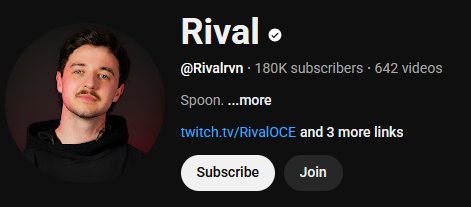
Rival, in his videos won’t detail too many of his own thoughts on situations in the League of Legends eSports scene, instead asking the audience their opinions in the comments. These types of videos are much more engaging, welcoming conversations and arguments over the pertaining topic. From covering health concerns, to scandals, and even community outrage over corporate decisions, all packaged in a perfect mix between a YouTube short, and an in-depth YouTube video with each video around the 3-4 minute mark.
With so many genres only within the YouTube space itself, it offers a wide arrangement of content to match individual viewers preferences. In terms of time, it can range anywhere from 30 seconds to even hour long videos on the workings of the eSports scene, making it very accessible towards those who have different time inclinations. The content of YouTube videos itself aren’t as enjoyable for those who are hearing-impaired, which makes the subtitles that you can turn on for any video should they not already be provided very important. Accessibility wise, YouTube videos have multiple ways to be enjoyed/consumed and while the quality differs depending on who you watch, there are enough high quality forms of League of Legends eSports journalism in the scene that gives it a very good argument as well.
Twitter/X
Twitter, or X as it will be referred to from hereon, hosts the abilities for swathes of people to say as they want with little effort. While this is a good thing for the quantity of content, quality isn’t typically the focus of an X post. Generally X posts generate enough community feedback and following that they remain relevant today, it’s a great way for coaches and players alike to share their thoughts in a more ‘free’ manner than an interview. As far as journalism goes, typically players are quoted in posts with an image. While this is typical, it’s only one way users have gone about reporting on the eSports scene, others, like HUPU Esports have cracked the code to virality following something that isn’t easily replicable; satire.
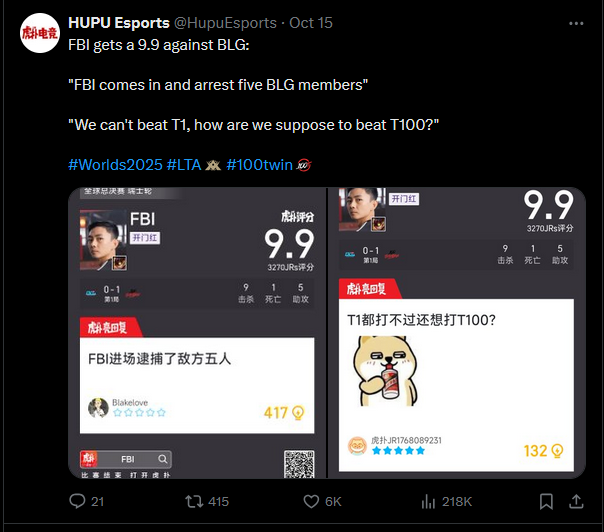
HUPU itself is a large Chinese sports community platform, in the image is a branch of that extending to eSports. Their method involves rating a player after match, and quoting funny comments that come from the match on social media. These have gotten very popular lately and is a type of reporting that people can look forward to for their laughs at the creativity of the community. It’s not uncommon for a player who has a bad performance to get roasted as well, of course, in a comedic manner.
This is the least time consuming of the options to read/glance over. While you can embed videos into X posts, it’s not expected that viewers will be willing to watch a video if they are already on X, preferring a summary in the description before the video. Thus, quality wise it can be found lacking, while it’s accessible to most and has options for separate impairments, those themselves are limited but still available.
Articles
Articles as a medium, aren’t very popular for the average fan, but they also provide their own unique flair to the mix. Typically, their goal is to have an eye catching title that entices viewers to click and learn more. Of course there will be a graphic displayed and in most cases they host the visages of professional players in relation to the topic. They are also known to post lists or power rankings of teams and players, as that builds up the most engagement from the community. Here’s an example of what an article would look like on a website that typically hosts that form.
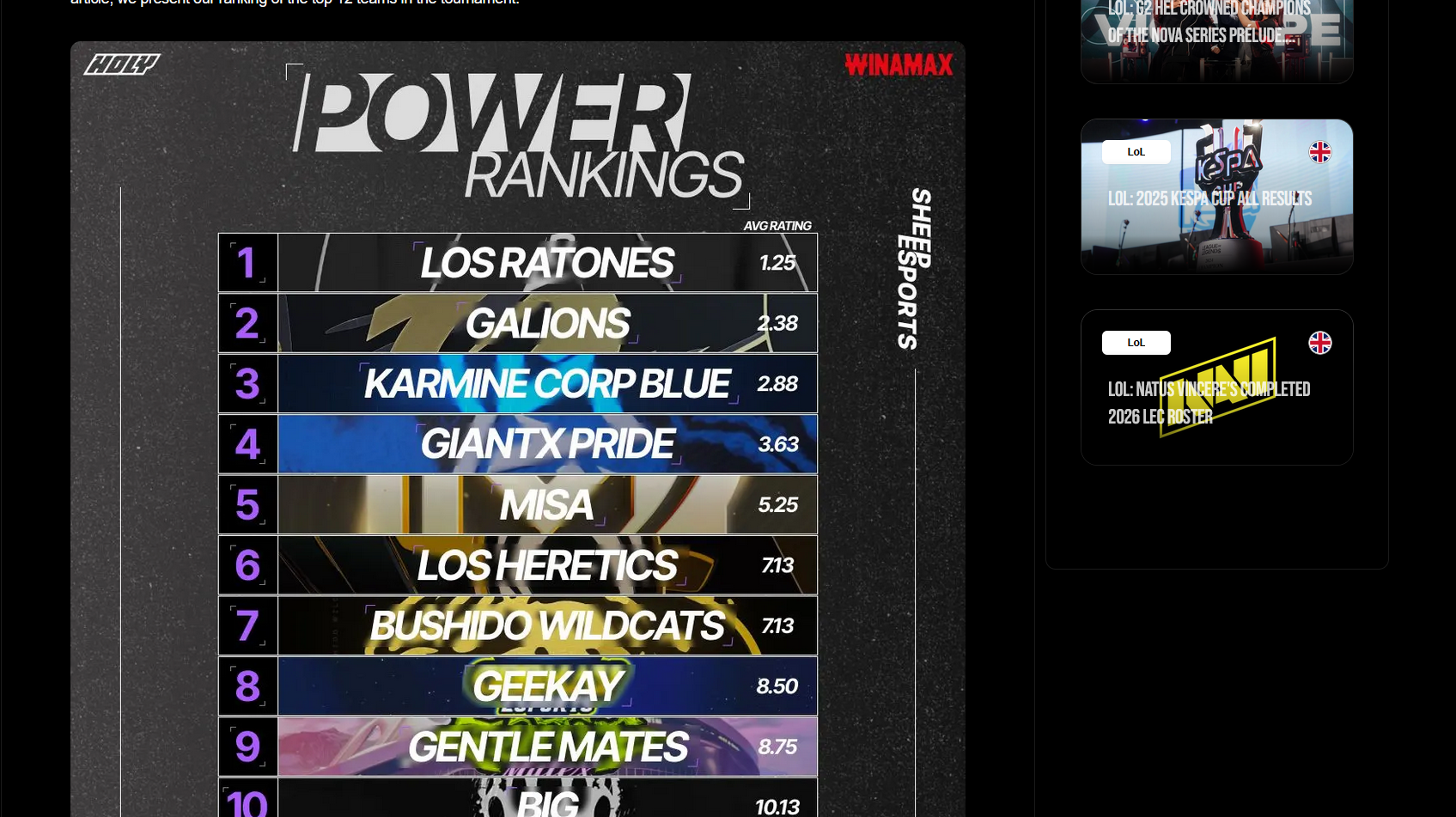
Articles generally take a bit to browse through, and it’s active, as you scroll and search for new text or images. It isn’t the longest way to learn information making not a bad option in wanting to save time. It also generally does have good quality as professionals are paid to make them. There are also a variety of visual and audio articles making it relatively accessible.
Online Forums
These types of forums are generally a great place for conversation to happen. Players, coaches, and organizations can release information on these forums as a way of clarifying any specifics in drama, or even giving updates as to their roster. However, it generally isn’t the most reliable place to post updates, information finding itself late when posted through more widespread channels. It does however, allow for individuals who have a good eye for observing and drawing conclusions to post their findings. Typically the most amount of leaks for information in the scene come from online forums like reddit. Time wise, information is too scattered and there can be a lot to read through, similar to articles. It’s quality is the least reliable among the options and it relies on third party apps for those who might be visually impaired making it not the most accommodating as far as accessibility goes.
Conclusion
Each type of League of Legends eSports journalism has their own pros and cons. Podcasts come out as the obvious longer form of content, and X posts being on the opposite end of that spectrum. Quality is varied, but articles are made by professionals for a viewing experience whereas YouTube videos and podcasts typically include a professional or ex-professionals output. In the end, due to each form offering something specifically unique to its medium, it can be said that the answer to this question is subjective. From the varying time and quality options, YouTube stands out as the best to me, especially with their built in accessibility accommodations.