Interpretive, Interpersonal, and Presentational Modes of Communication
Address the reflection exercises in each of the following sections. For each section, you will need to embed portions of these assignments and activities as artifacts to substantiate your reflection. Then, at the end of each section, include a link to the document or embed it as a PDF.
Tutorials are available:
- Embedding a PDF
- Embedding Media (Images, Audio)
- Embedding a Video
Exploring Culture
There were several products and practices that helped me gain understanding of hispanic cultural perspectives in this class. One major resource I used was obviously Contraseña. Contraseña was the main outlet we used for this course outside of the lectures to do homework and learn more about the sections we learned and the cultural experiences of different Spanish speaking countries.
Contraseña helped me better understand cultural perspectives of different countries from example videos and fill in the blank paragraphs. It was easier to hear the difference of Spanish pronunciation amongst different countries. Contraseña challenged me in a way that forced me to pay attention to the little things that differ from other countries. It revealed to me that not all Spanish is spoken the same exact way, you have to be careful and attentive to your surroundings and pronunciation. One example of difference in pronunciation is between Spain and Latin American countries, the pronunciation of Spanish in the country of Spain is a lot different than the majority of Latin American countries.
Engaging in Communities
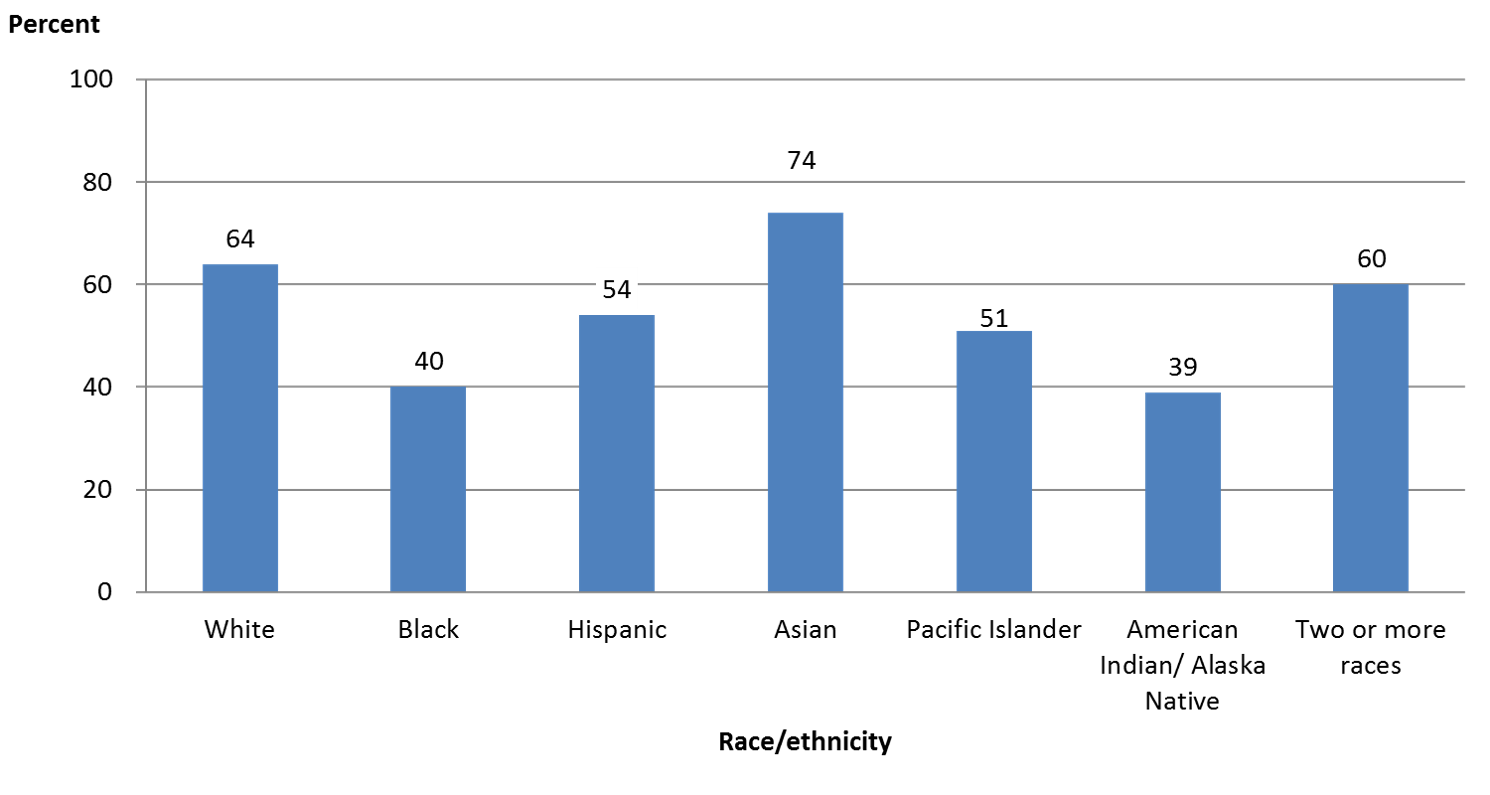
The value and importance on engaging in your immediate and global community is very critical. The reason that engagement is so important amongst communities revolves around being able to share information and resources. Not everyone is going to have the same access to information and knowledge. The beauty of community engagement is being able to educate your community and share the resources needed to be an advanced community. At the end of the day, your community is what you make it, staying to yourself and not engaging in ways to make changes is what keeps communities stagnant. However, engagement in your communities brings growth and development, which will improve your community. These are statistics of the percentage of people in each race that are in college and earning that education. Notice how not a single race is 100% enrolled in school to acquire education. It is our responsibility to go back to our communities and share the information we learn to others who do not have access to it, in order to grow our communities.
.
Interpersonal Communication
In this class, we were given two different TalkAbroad assignments which required us to have a 15-minute long discussion with a fluent Spanish speaker. We also were required to comment and converse with our classmates after our projects were posted.
For TalkAbroad, the assignments that were required for us to complete were a bit intimidating at first. They were intimidating because you were required to hold a conversation strictly in Spanish, and in some cases like myself, the speaker actually knows zero english. I grew from the first TalkAbroad to the second one by preparation. I realized that the conversation itself is not as difficult as I expected because the speakers are very patient with you. However, preparation helped me flow a lot better with the conversation the second time around. I was able to to prepare the right questions to ask and be able to understand the responses and context of what our conversation was about.
Presentational Speaking
Presentational speaking in this unit came from either TalkAbroad discussions and recorded projects. I have already briefly wrote about my experience with TalkAbroad. However, one presentational speaking activity I completed this year was my family introduction project.
In the family introduction project, I was required to introduce my family and tell the class what they like to do. I decided to speak about my immediate family. I introduced their names and who they were in relation to me, for example my father, mother, brother, and sister. I also spoke about what they do for work and what they look like. I excelled in explaining their daily activities and relation to me. However, what I could’ve improved on was explaining more of their physical features. I talked about it briefly but I could’ve went into more detail.
Presentational Writing
In the project sections of our class, we were required to complete multiple projects that revolved around making flyers. The flyers were supposed to revolve around health and fitness, written entirely in Spanish.
What came easier to me in these projects was talking about the fitness regiment I have and what my favorite type of exercise was. I chose to write about basketball in the fitness project. Basketball was easier to write about because I actually enjoy it, and it revolves around the current vocabulary we were learning at the time. When writing about food, I took an approach to write about healthy foods and meals to eat that would enhance fitness regiments and keep you in good shape. I could do better next time by broadening the things I wrote about. I stayed very focused on one topic in the projects because I was more comfortable with that but next time I can be more broad with the things I talk about.
Interpretive Listening
As far as interpretive listening, I don’t think this was the biggest focus of the class in all honesty. I believe the majority of my interpretive listening came from lectures, TalkAbroad, and Contraseña.
In regards to lectures, our Professor did a great job of keeping the class dialogue in strictly Spanish. The big difference from Spanish 101 to 102 was the constant dialogue in Spanish, it helped me be forced to actually pay attention to the vocabulary and sentences our professor spoke. TalkAbroad was another great tool for interpretive learning. Since I was speaking to a fluent Spanish speaker, I had to pay close attention to what the speaker was saying so I could understand the context and continue the conversation. Finally, Contraseña offered several videos and recordings of passages and vocabulary that we had to learn for each unit. It helped slow down the material we were learning and went into great detail of the specifics of each new unit we were learning. All three of those interpretive listening activities helped me grow better as a listener of the language and being able to quickly identify things that were said in Spanish.
Interpretive Reading
In this class, I had to do a bit of research on my own to better understand the differences of Spanish in other countries. Since this is a lower level Spanish class and I am far from being fluent in this language. So I decided to be proactive and learn from the link that I attached in this section.
This link gave me a great insight into the differences of the Spanish culture amongst Latin American countries and the country of Spain. The article focuses on the name of the language, the evolution of Spanish, the difference in pronunciation, and difference of vocabulary. One difficulty I had was understanding the different pronunciations and vocabulary. This article helped me understand those exact differences. One interesting thing I learned through this article, was that Spain is the only Spanish speaking country that uses vosotros and vosotras, which gives Spaniards extra endings to memorize. Ultimately, this article gave me great insight on the differences and evolution of the Spanish language amongst other locations.