.
Rising Temperatures
According to the United Nations, 2011-2020 was the hottest decade on record. On average, global temperatures have risen 1.8 degrees Fahrenheit since 1901 (National Oceanic and Atmospheric Administration, 2021). As the global climate changes, this brings a variety of effects.
- Sea levels rising, mainly due to rising ocean temperatures and melting glaciers
- Shrinking sea ice and glaciers
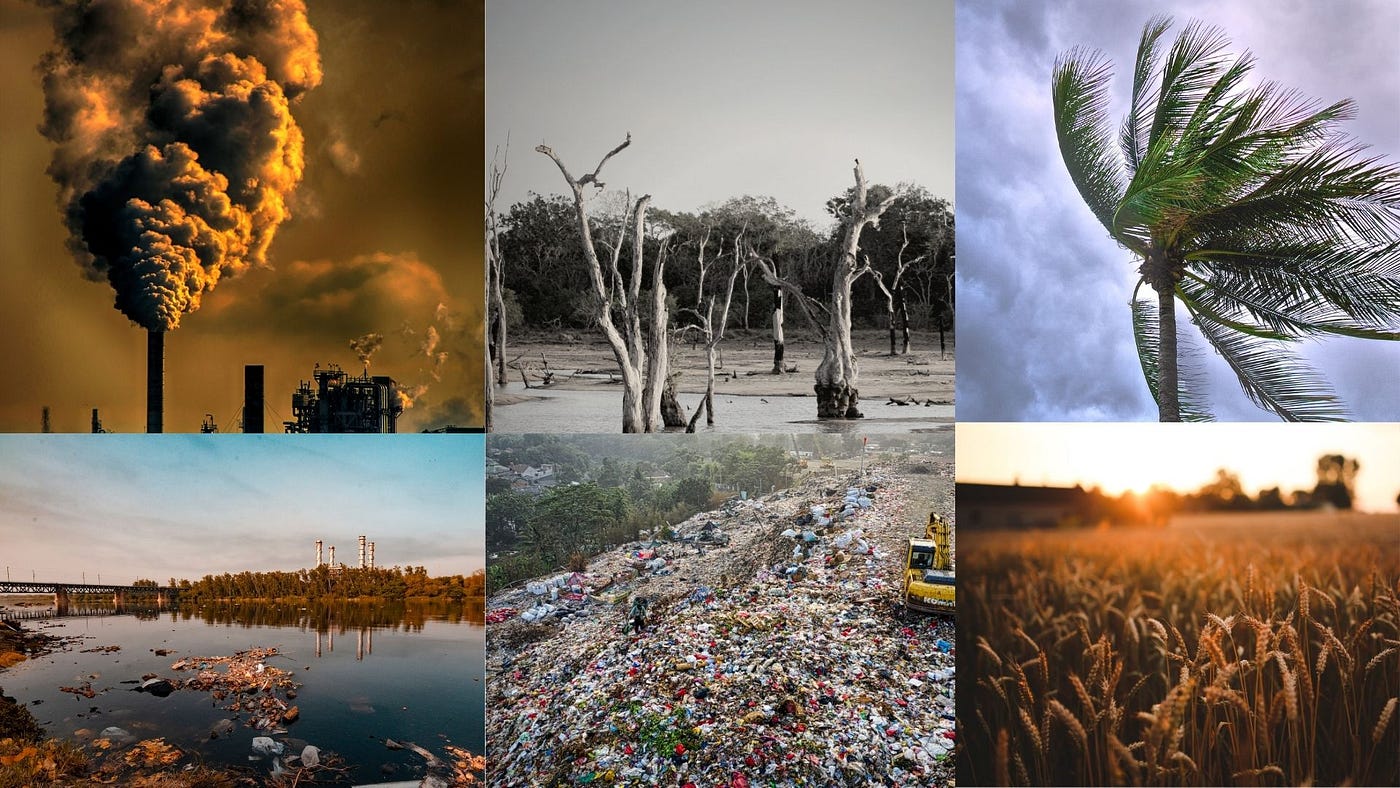
- More extreme weather, such as severe storms and droughts
- Changes in water sources
- Threats to food security
- Species extinctions
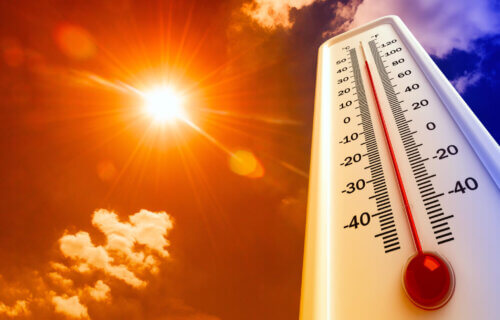
Image: (Anderer, 2022)
(Nasiruddin, 2020)
How does this affect us?
As much as climate change affects the environment, it also affects us directly. We would lose a multitude of resources, such as wood and water, and can directly affect our food supply. Additionally, climate change can our overall health.
> Food Supply (click here!)
Our food supply is heavily dependent on the weather and our climate. This can result in fishing stations, crops, and livestock having lower productivity and yields, and can disrupt herding and hunting patterns in northern Arctic regions. Since most of our food is dependent on farms and ranches, increased temperatures, droughts, and new diseases can create challenges when providing food for a society.
(National Oceanic and Atmospheric Administration, 2021)
> Health (click here!)
Climate change has a variety of drastic effects on our overall health. These effects include:
- Extreme weather conditions, such as hurricanes, becoming more frequent and deadly
- Increasing dry conditions, which is a contributor to increasing wildfires
- Higher chances of flooding
- Increase in waterborne illnesses
Those who are at most at risk include
- Children
- Elderly
- Outdoor Workers
- People with preexisting conditions
- People of color
- Low income
(National Oceanic and Atmospheric Administration, 2021)