Rural EMS agencies operate under constant pressure — limited budgets, small crews, aging equipment, and the expectation to deliver the same level of service as larger systems. In that environment, efficiency and clear communication aren’t luxuries; they’re survival tools. Yet one area where many squads still rely on outdated methods is their online presence.
In 2026, a single Facebook page can’t meet the needs of the community, the providers, or the agency itself. Families looking for billing information, students searching for training opportunities, and patients needing access to their records all expect a reliable, professional source of information. Providers need a centralized place for timesheets, logs, protocols, and internal communication. And leadership needs a platform that reflects the professionalism and credibility of the organization.
A dedicated website isn’t just a modern convenience — it’s an operational asset. It strengthens public trust, improves internal efficiency, and gives rural EMS agencies the structure and stability they need to serve their communities effectively.
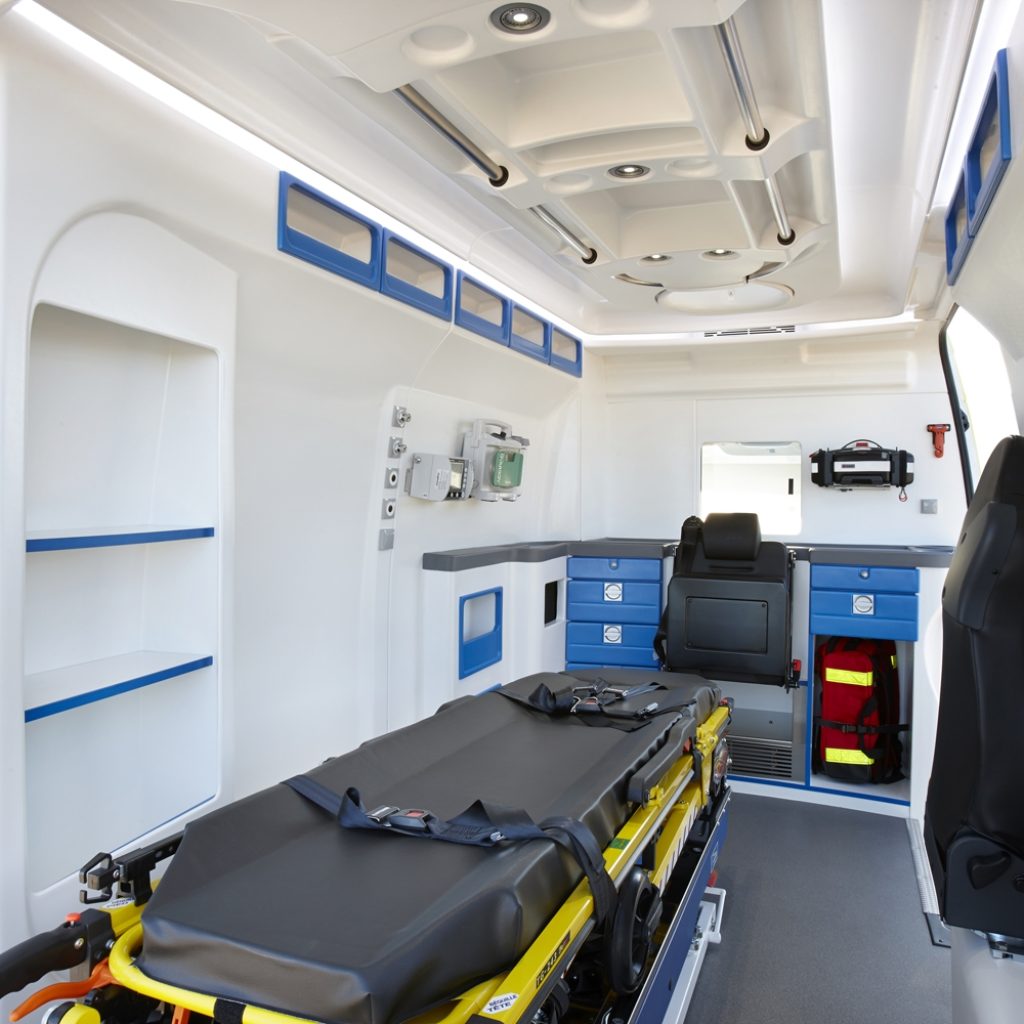
Showcase equipment for prospective employees, students, or the public who rely on that agency
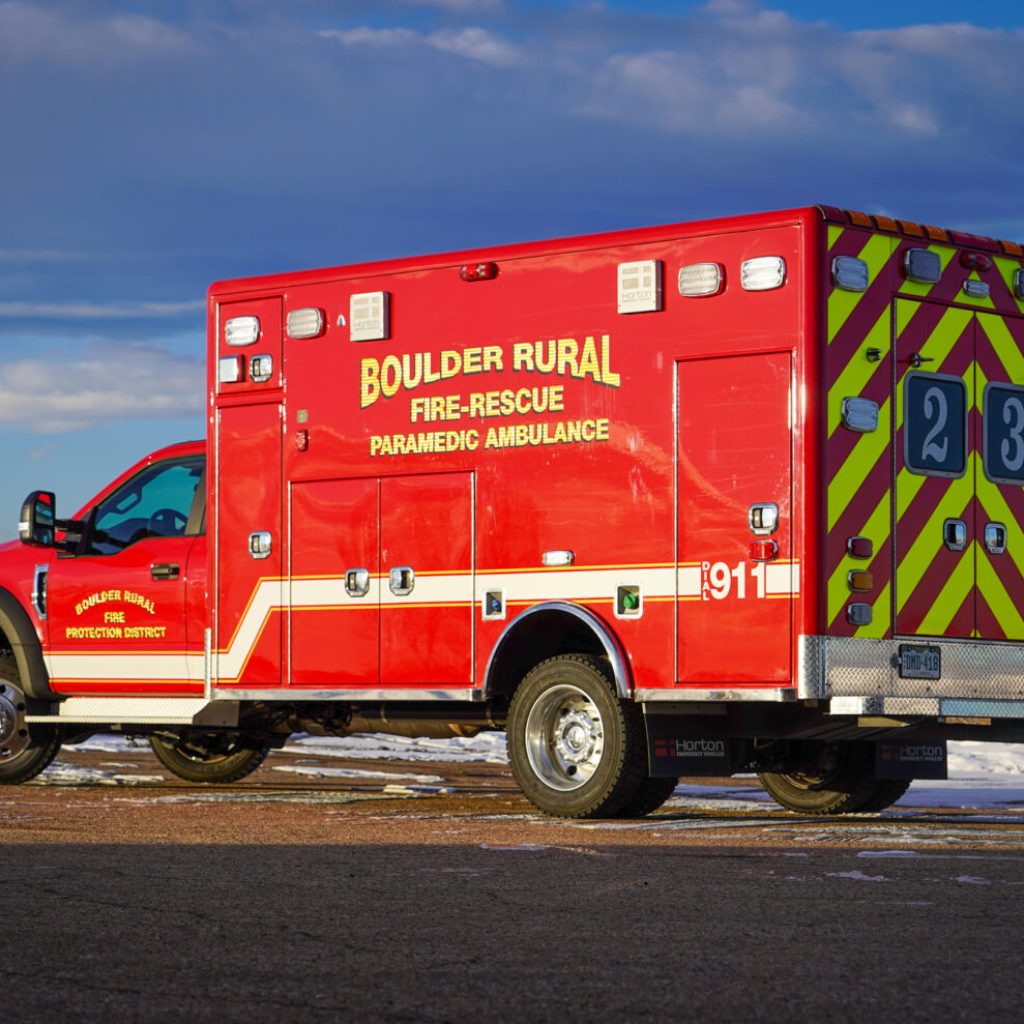
A dedicated website also gives rural EMS agencies a place to showcase their equipment, station, and capabilities — something Facebook can’t organize or present professionally. For students exploring EMS careers, seeing the ambulances, gear, and training environment helps them understand what the job looks like and what level of professionalism to expect. Prospective employees can quickly assess whether the agency is modern, well‑equipped, and committed to maintaining its fleet. And for the public, transparent access to photos of apparatus, equipment, and the station builds trust by showing exactly how their local squad is prepared to respond when they call for help.
Why a website is now essential for rural EMS agencies
A modern EMS website isn’t just a digital brochure — it’s a central hub that supports operations, communication, professionalism, and community trust. Here are the most important reasons rural squads benefit from having a dedicated site:
- Professional credibility — A website presents your agency as organized, established, and trustworthy in a way a Facebook page never can.
- Centralized information — Billing details, service descriptions, contact info, training schedules, and public notices all live in one reliable place.
- Better recruitment — Prospective EMTs and medics can see your equipment, station, certifications, and culture before applying.
- Support for students — Training materials, protocols, and educational resources can be hosted for local EMT students or explorers.
- Operational efficiency — Timesheets, logs, forms, and internal documents can be digitized and accessed from any device.
- Improved community engagement — Residents can learn about your services, request private transports, pay bills, or submit questions without calling the station.
- Search engine visibility — People who don’t use Facebook can still find your agency through Google, Bing, or local search results.
- Control over your content — You decide what stays online, how it looks, and how it’s organized — not an algorithm.
Why Facebook Alone Doesn’t Cut It
- Algorithm limits visibility — Only a small percentage of your followers actually see your posts. Critical updates can be buried instantly.
- Content restrictions — Trauma‑related images, rescue scenes, or even educational posts can be flagged or removed without warning.
- Unprofessional presentation — A Facebook page looks casual and temporary; it doesn’t reflect the professionalism expected of an EMS agency.
- Not everyone uses Facebook — Many older residents, students, and even some providers don’t have accounts or don’t check them regularly.
- Poor organization — Posts get buried, documents get lost, and important information is impossible to find after a few days.
- No official structure — You can’t host SOPs, protocols, training modules, or internal forms in a reliable, searchable way.
- No control over your presence — Facebook can lock your page, restrict posts, or suspend admins without explanation.
- No Google indexing — Most Facebook content doesn’t appear in search results, meaning your agency is invisible to people who aren’t already following you.
How Facebook Should Be Used Instead
Facebook should support your online presence, not define it. The ideal setup is simple:
- Use Facebook to share updates, photos, and announcements.
- Link those posts back to your official website, where the full information lives.
- Let Google and search engines drive people to your site for everything else.
The Big Picture
For rural EMS agencies, modernization isn’t about chasing trends — it’s about strengthening operations, improving communication, and making sure the community knows exactly what you offer. A dedicated website becomes the backbone of that effort. It centralizes information, supports providers, and presents the agency with the professionalism the public expects in 2026.
It also opens doors that many squads don’t realize they’re missing. When the public can easily find CPR classes, ACLS courses, EVOC training, private transport options, or billing information, it directly increases engagement — and in many cases, revenue. Many agencies already offer these services, but without a website, the community simply doesn’t know they exist. A clear, organized online presence turns those hidden capabilities into visible opportunities.
Operational efficiency improves as well. Instead of juggling paper forms, scattered Facebook posts, and word‑of‑mouth communication, a website provides a single, structured place for providers to access timesheets, logs, protocols, and internal documents. This reduces confusion, saves time, and helps leadership keep the agency running smoothly.
At the end of the day, rural EMS agencies deserve tools that match the level of professionalism and dedication their providers bring to the community. A modern website isn’t about looking fancy — it’s about giving your squad the structure, visibility, and efficiency it needs to operate at its best. It ensures the public can find accurate information, students can access training resources, and providers have a reliable place for the documents and tools that keep the agency running.
Modernization strengthens the mission. It supports recruitment, improves communication, and helps the community understand the full scope of what your agency offers — from emergency response to education, training, and community outreach. In a time when expectations are higher and resources are tighter, having a stable, professional online presence isn’t optional anymore. It’s part of delivering the level of service your community relies on.
If your squad is ready to take that step, I’m more than willing to help build a site that reflects your agency’s professionalism and supports your operational needs. My goal is simple: to help rural EMS agencies strengthen their connection to the community and operate more efficiently with tools built specifically for the way we work.