Wood Stove Basics
1. Burn Only Properly Seasoned Wood
- Use wood dried at least 6–12 months.
- Avoid wet, green, or treated wood — it creates creosote and smoke.
2. Start With a Safe Fire Setup
- Use dry kindling and small pieces to start your fire.
- Never use gasoline, lighter fluid, or accelerants.
- Keep the stove door closed after ignition unless loading wood.
3. Maintain Proper Airflow
- Keep air vents/damper open enough to maintain a clean burn.
- Avoid long smoldering fires — they produce the most creosote.
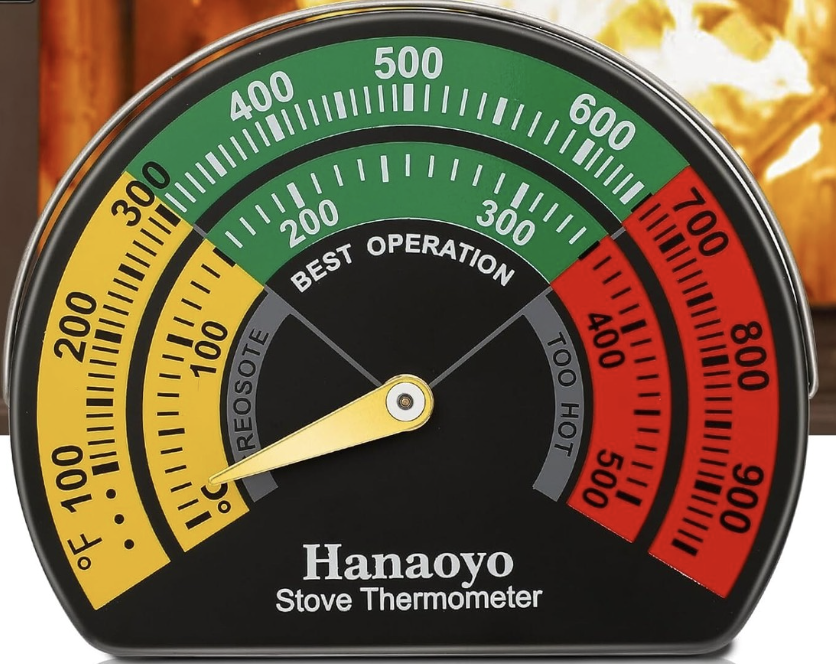
4. Monitor Stove Temperatures
- Use a stove thermometer on the flue or stove top.
- Ideal burn zone for most stoves: 300°F–600°F.
- Avoid:
- Below 250°F (creosote danger)
- Above 750°F (overfire risk). 3
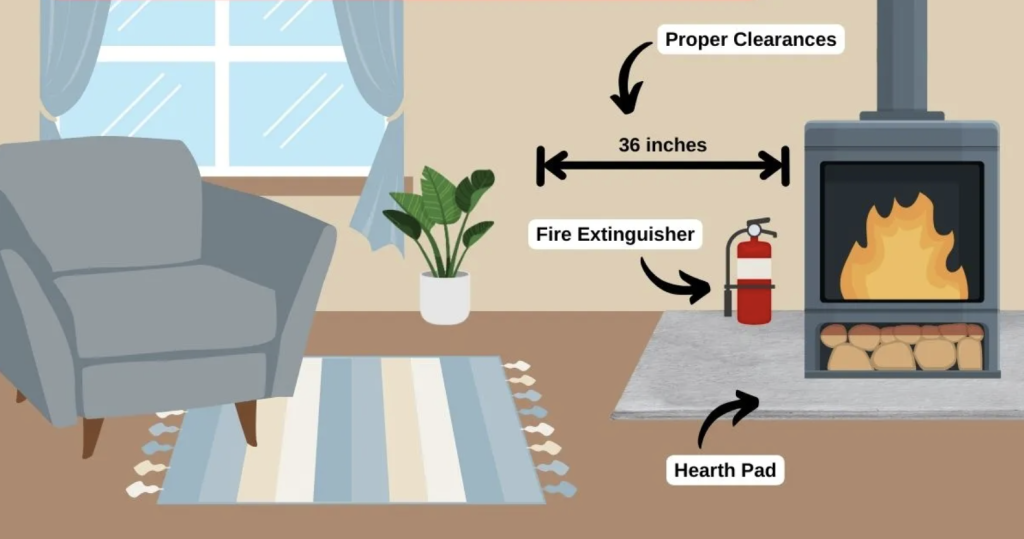
5. Keep a Safe Clearance Zone
- Maintain 36 inches of space around the stove unless your model specifies otherwise.
- Keep furniture, curtains, toys, and decorations far away. 4
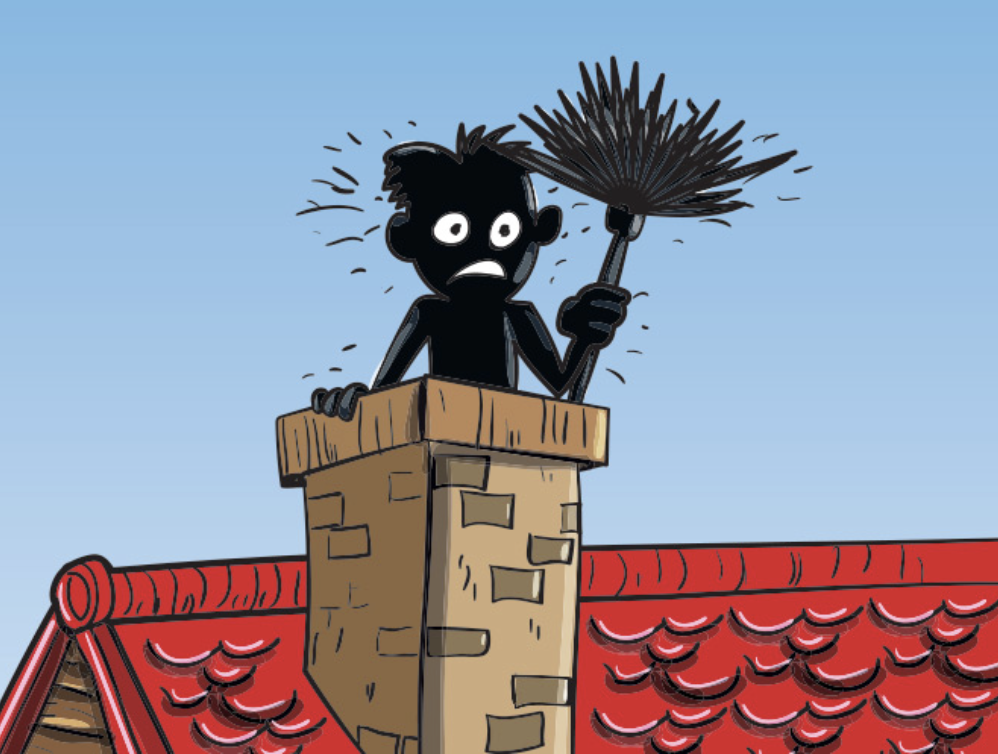
6. Install and Maintain Chimney & Stove Pipe
- Clean your chimney at least once a year (more if burning daily).
- Inspect for:
- Creosote buildup
- Cracks
- Loose pipe connections
- Damaged gaskets or seals 5
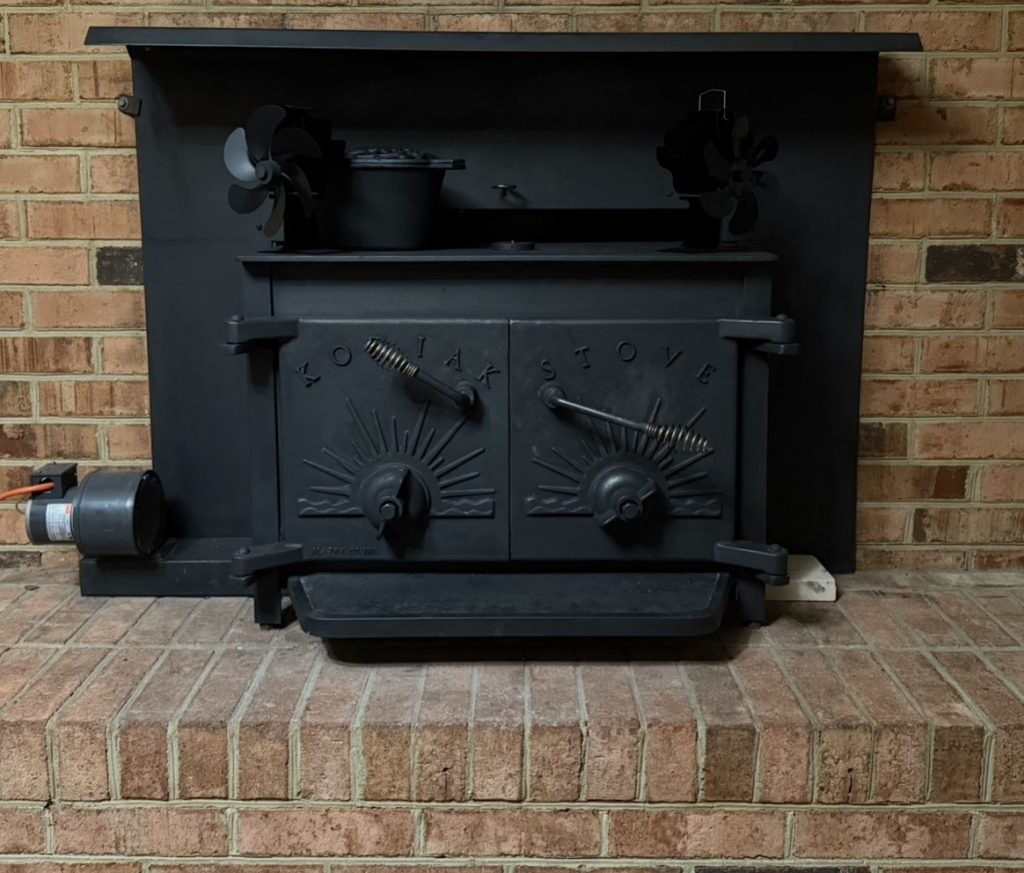
7. Use a Proper Hearth and Floor Protection
- Ensure non-combustible material extends far enough in front of the stove for falling embers.
- Follow your stove’s manual for exact clearance requirements.
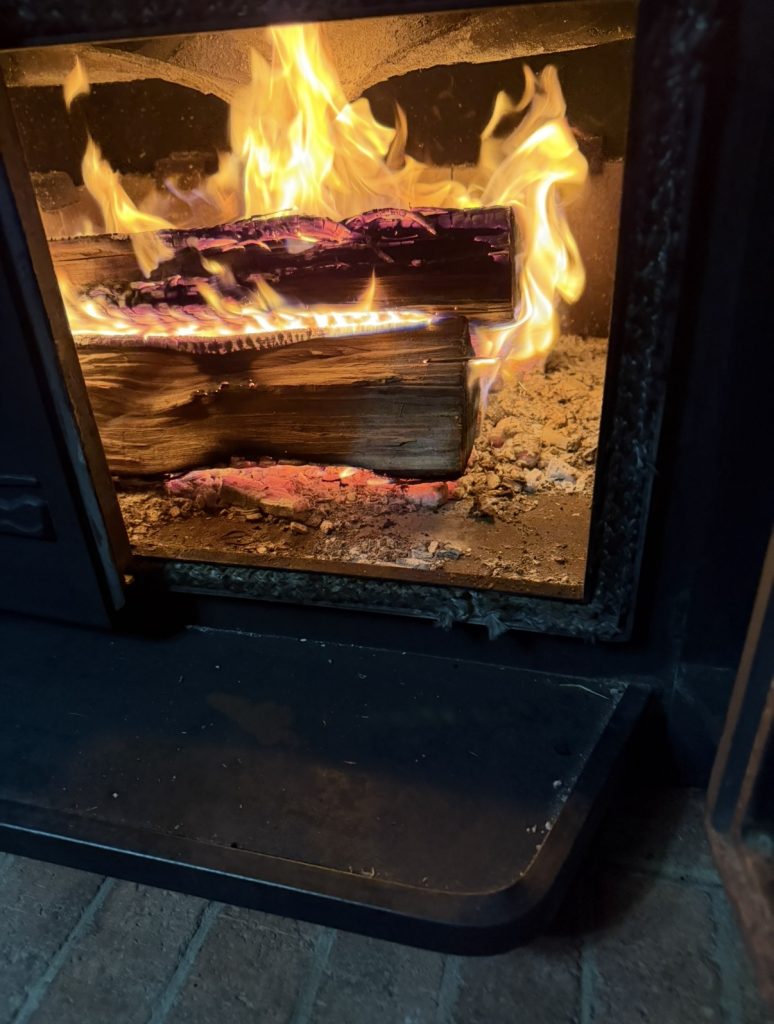
8. Load Wood Safely
- Open the door slowly to prevent smoke-back.
- Place logs in safely — avoid overloading the firebox.
- Re-close the door fully and make sure the latch seals tight.
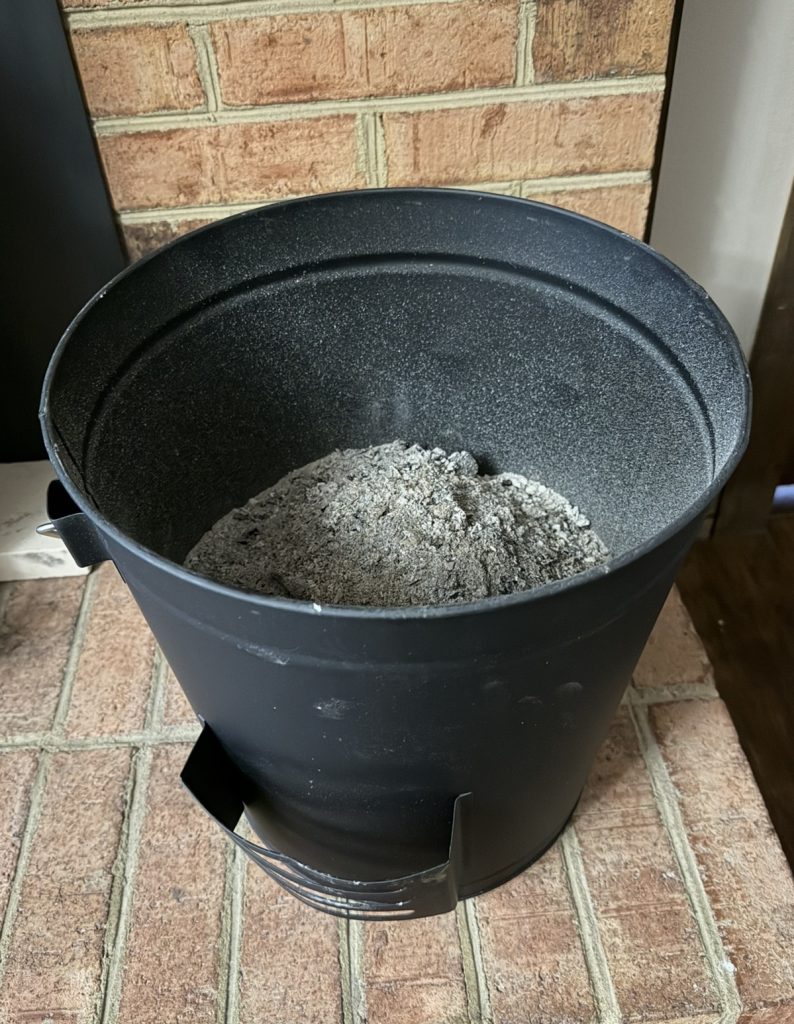
9. Handle Ashes the Safe Way
- Store ashes in a metal container with a tight lid.
- Keep it outside, away from the house or porch.
- Even warm ashes can ignite fires hours or days later.
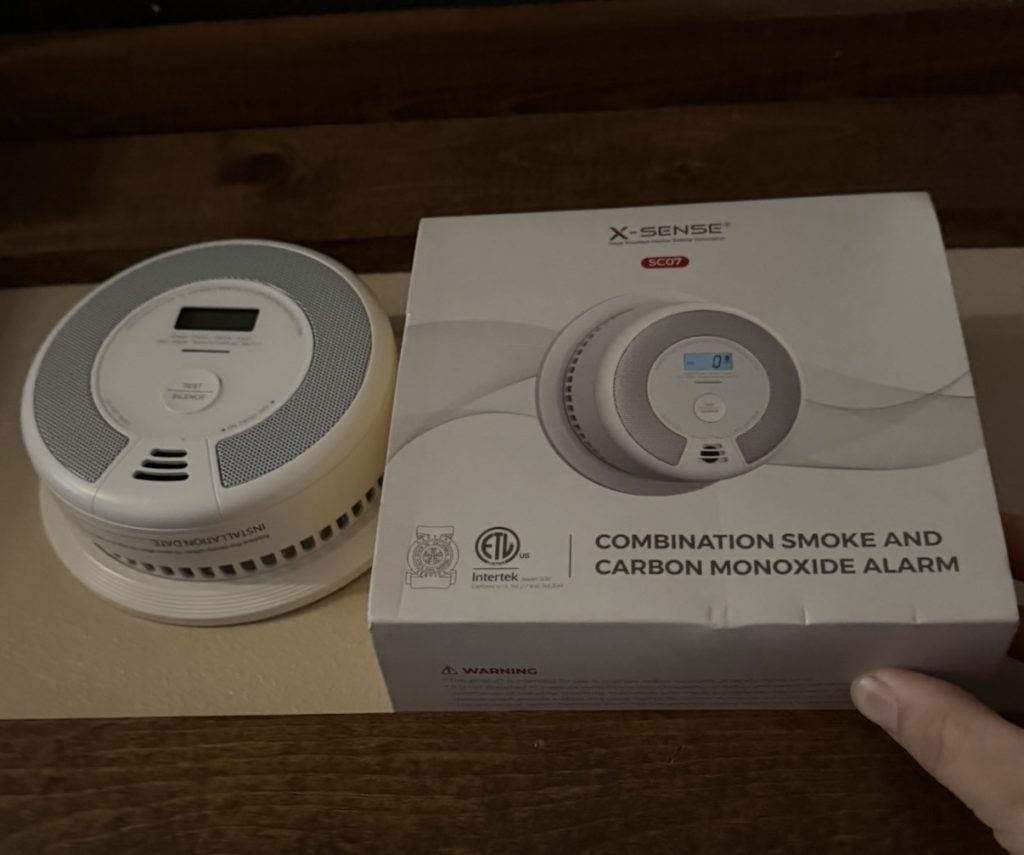
10. Install and Check Smoke & CO Detectors
- Have at least:
- One smoke detector on each floor
- One carbon monoxide detector near sleeping areas
- Test monthly and change batteries yearly.
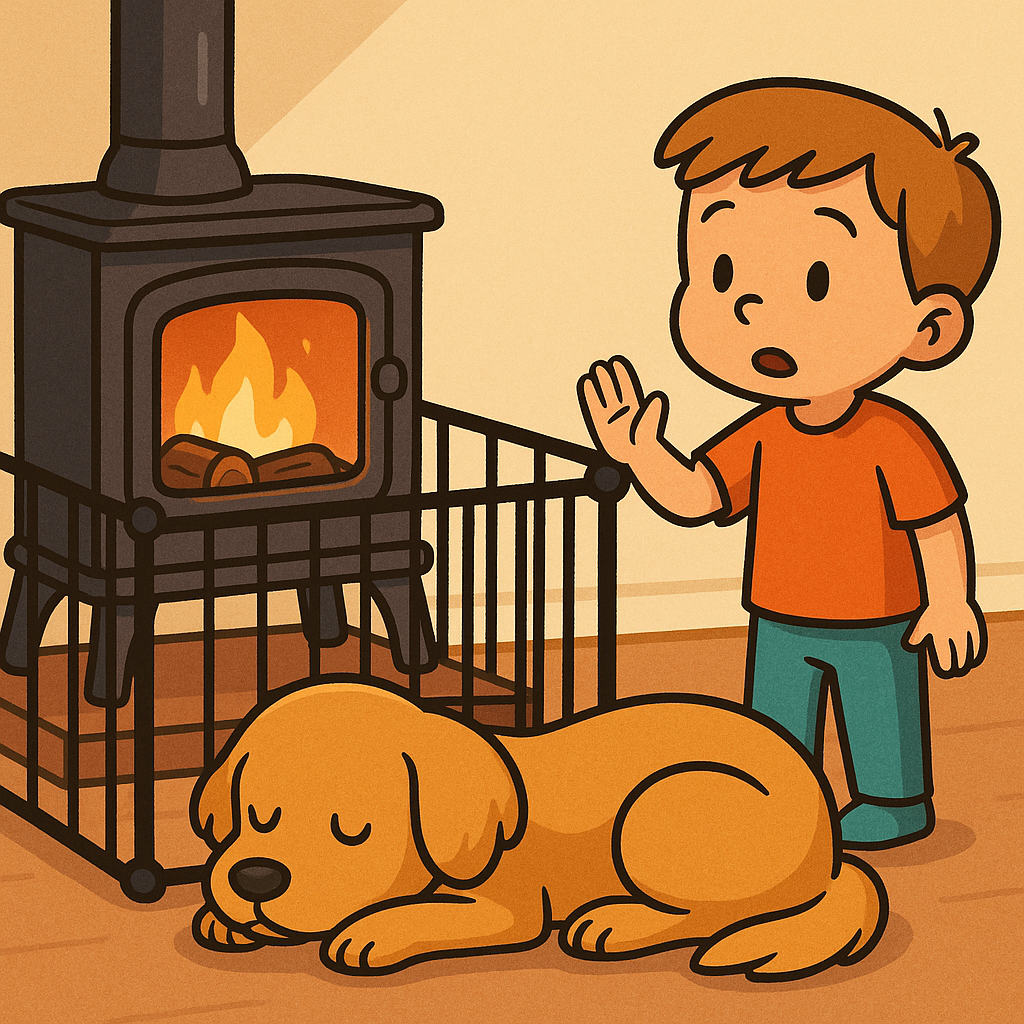
11. Keep Children & Pets Safe
- Use a safety gate around the stove.
- Teach kids not to touch the stove even when it “looks cool.”
- Keep pets from sleeping too close.
12. Know the Signs of a Problem
Stop using the stove and inspect if you notice:
- Loud roaring (possible overfire)
- Excessive smoke inside the home
- Strong creosote smell
- Smoke spillage when loading
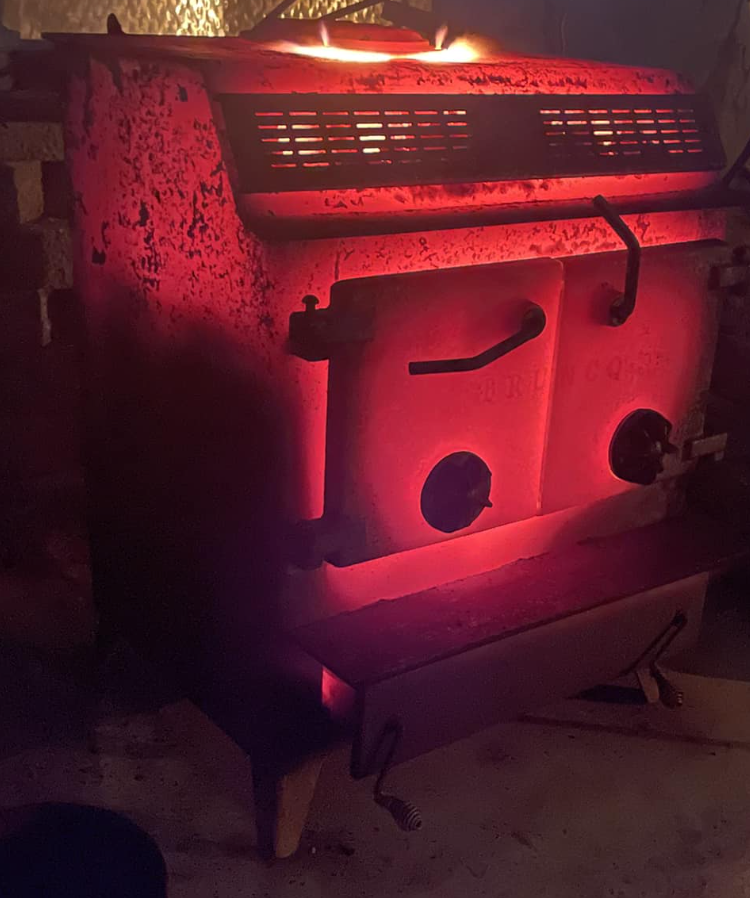
- Warped metal or glowing stove parts. 6
13. Have an Emergency Plan
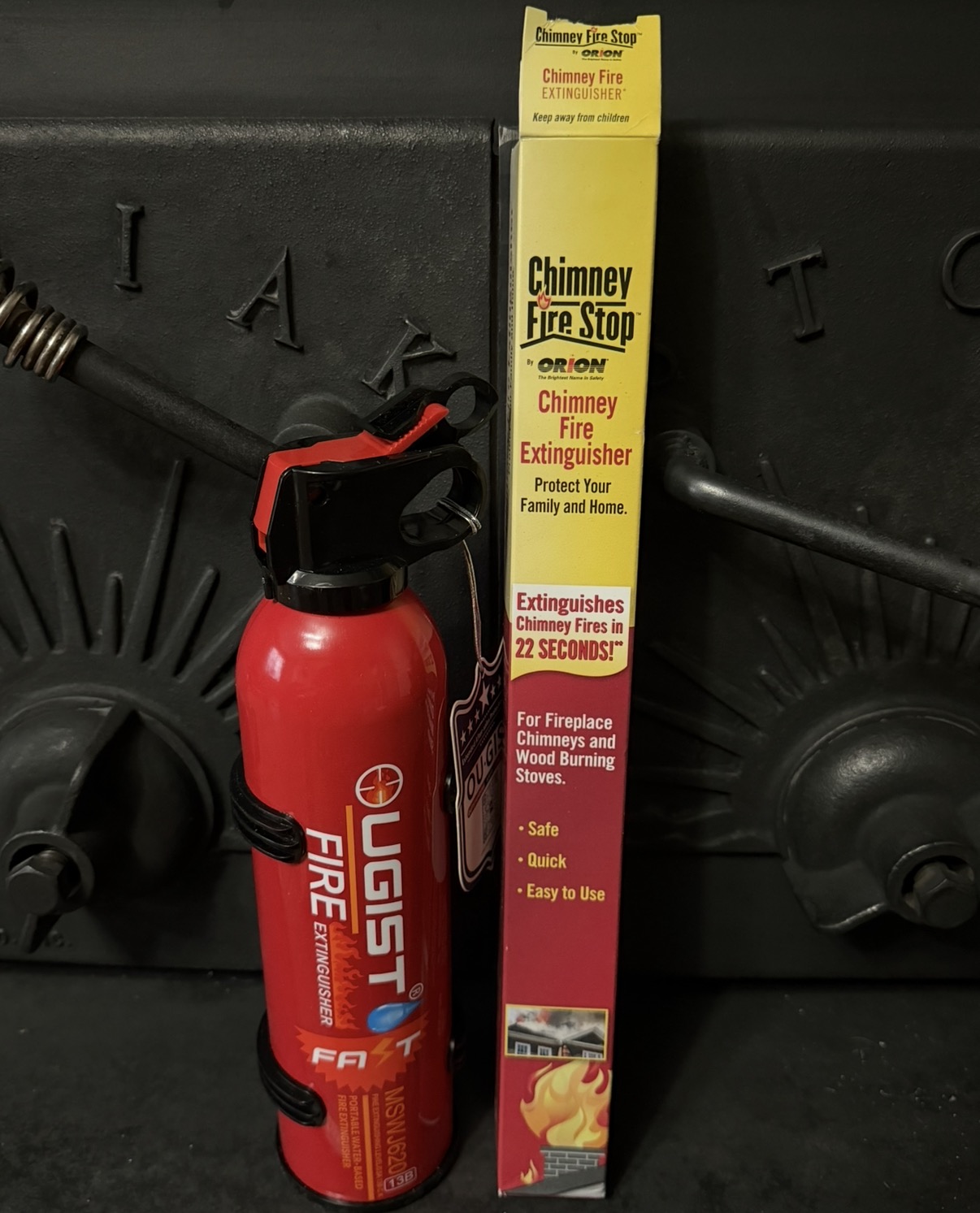
- Keep a fire extinguisher nearby.
- Know how to close the air intake quickly.
- Teach family members what to do if a fire starts.
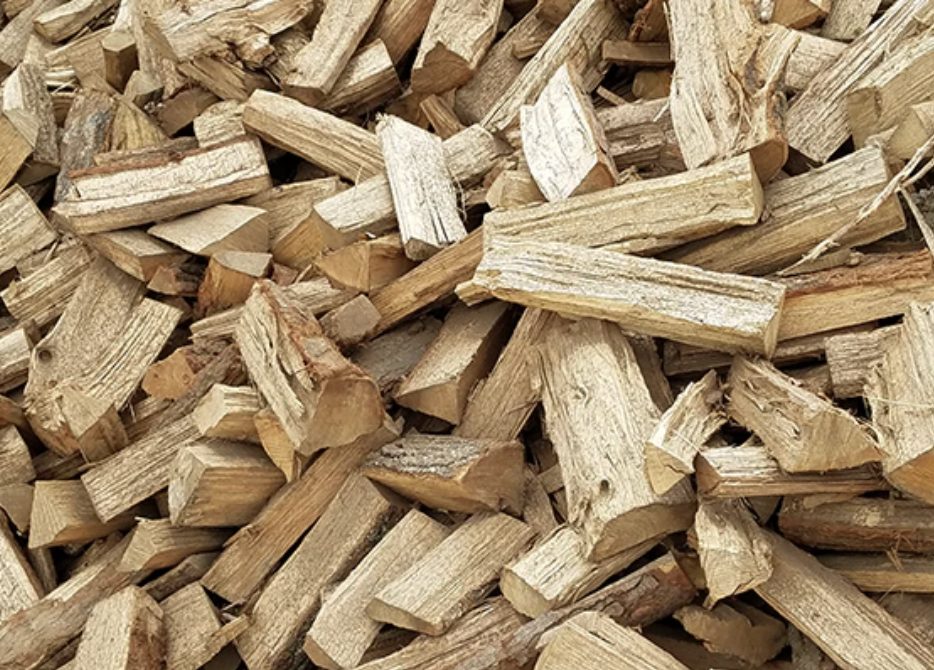
- Figure 1. Pile of seasoned firewood used for wood-burning stoves. Source: Wilson Farm.
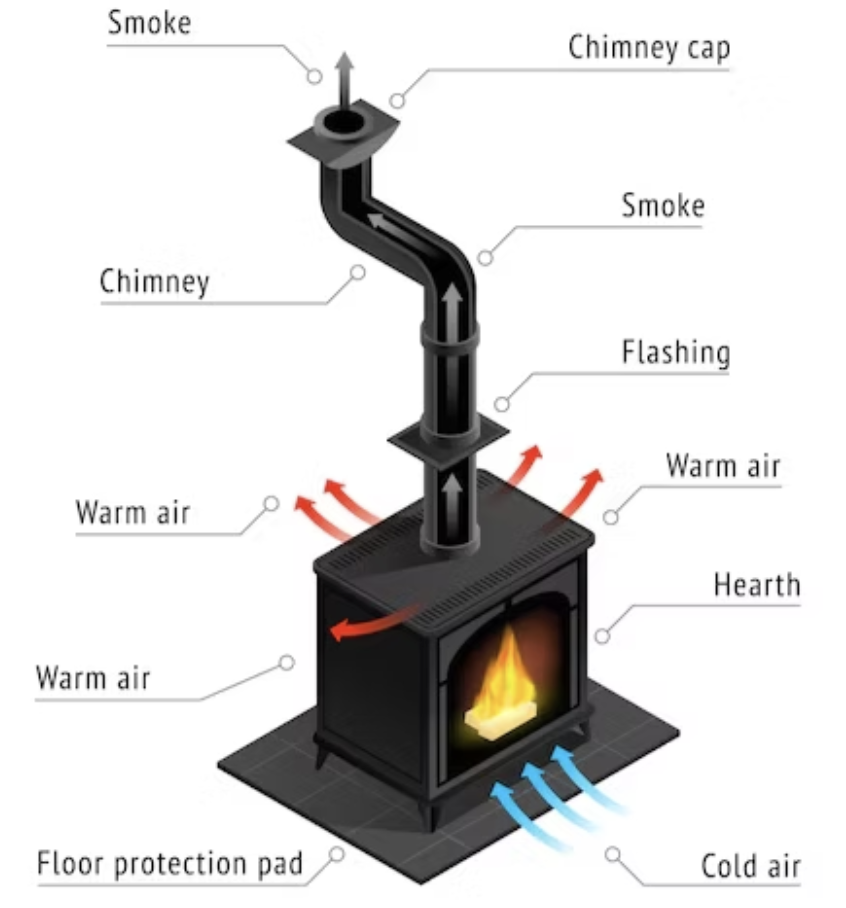
↩︎ - Figure 3. Diagram illustrating airflow, chimney draft, and heat movement in a wood stove system. Source: The Fireplace Store.. ↩︎
- Figure 4. Stove temperature gauge showing optimal burn zones for safe and efficient operation. Source: eBay. ↩︎
- Figure 5. Illustration showing safe clearances, hearth requirements, and fire extinguisher placement for wood stove setups. Source: High Point Chimney. ↩︎
- Figure 6. Cartoon illustration of a chimney sweep cleaning a flue—used to highlight annual chimney maintenance needs. Source: Firewood For Stoves. ↩︎
- Figure 12. Photo of an overfired stove glows red-hot, demonstrating dangerous stove temperatures. Source: Facebook Group: Wood Stove & Fireplace Safety. ↩︎