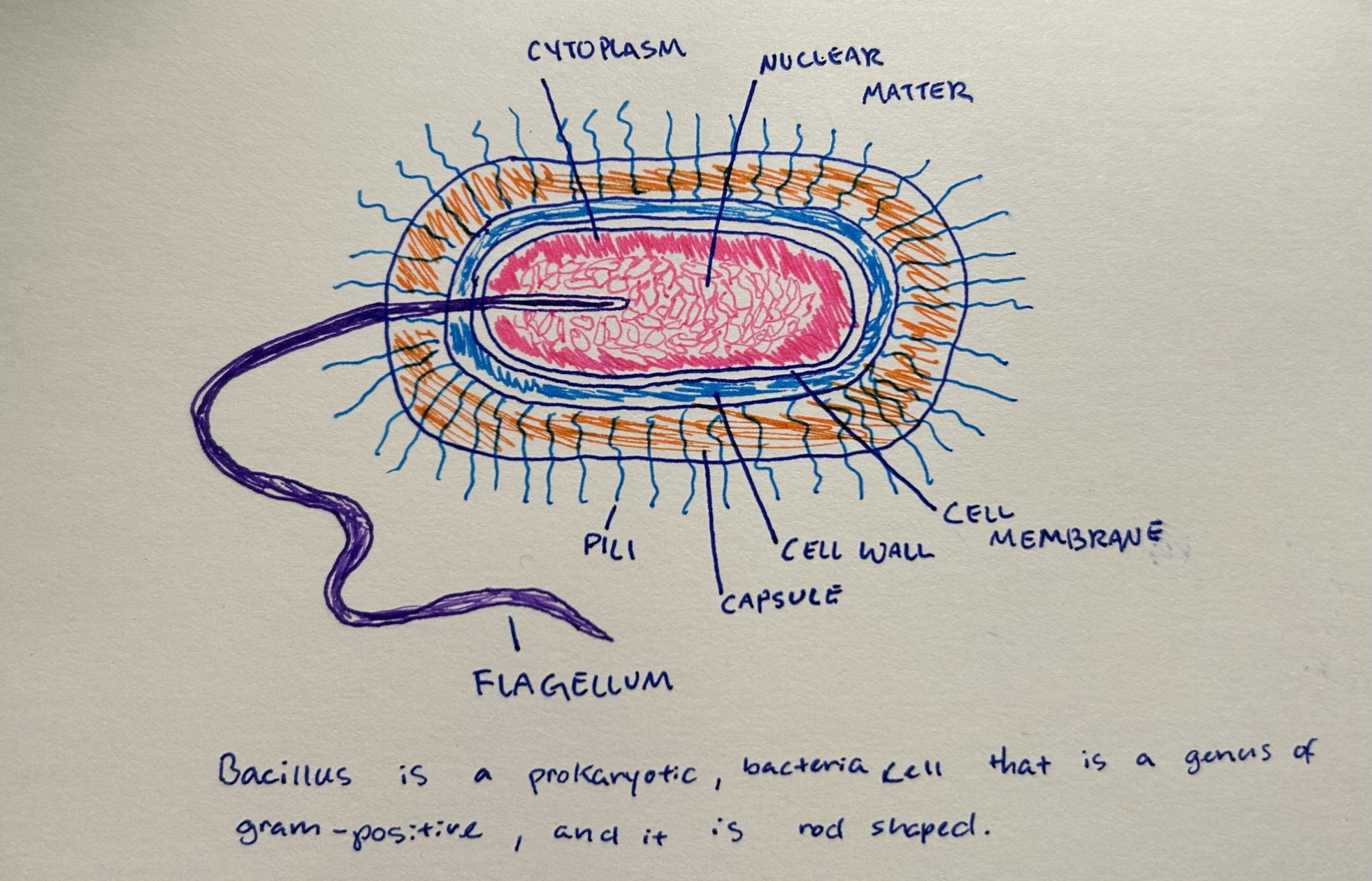
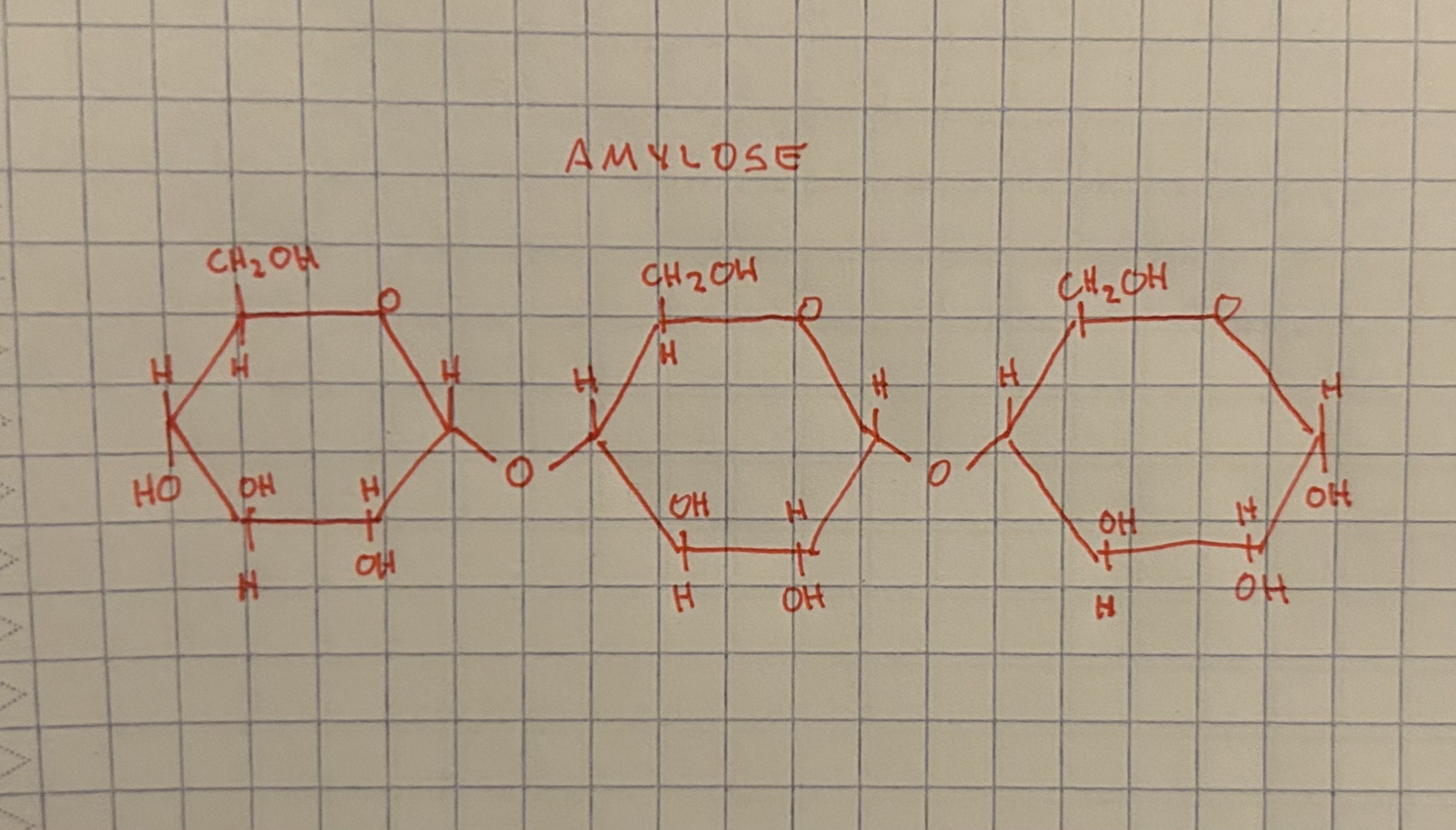

I chose to have this video as my meme because during the time I originally saw it, I was learning a lot about the phospholipid bilayer. I think it is pretty funny because of the bilayer is semi-permeable, and funny things like this make it easy to remember important information.
Scientific Literature Essay:
There are many types of animals and insects on Earth. Vertebrates and invertebrates are just two main categories. Vertebrates are animals that contain a backbone made of either bones or cartilage and an internal skeleton. There are five groups of vertebrates. These include: mammals, birds, reptiles, amphibians, and fish. Within vertebrates, there is a hormone called the parathyroid hormone, PTH, and calcitonin. PTH is a protein hormone that is produced through the parathyroid glands which helps regulate calcium and phosphate levels in blood. PTH is released from the bones to increase the blood calcium. Calcitonin is also a hormone that regulates calcium levels within the blood except it is produced by C cells from the thyroid gland. These two hormones work in opposites in order to maintain calcium homeostasis. This means that when PTH is released and increasing the blood calcium levels, calcitonin responds to it by lowering the blood calcium levels by inhibiting bone resorption.
On the topic of vertebrates, reptiles are known to have intestinal plasticity which is the ability for the intestinal epithelium to change its function, structure, and even size to accommodate for diet and other stimuli. An example of a reptile that has intestinal plasticity are snakes, specifically the Burmese python. Intestinal plasticity relates to the feeding habits of sit-and-wait predators like the Burmese python because it allows them to shrink their intestines during periods in which they have to wait a long period of time. Shrinking the intestines helps conserve energy and also helps it rapidly grow later on to become efficient enough to digest their large prey as a whole, including the bones. Burmese pythons eat infrequently, hinting as to why they are known as sit-and-wait predators. They go on for months without eating, but their intestinal plasticity enables them to go on for so long without a constant source of food.
Now looking into a deeper level of organisms, microscopes are used to see things that are not that easy to see with just the human eye itself. One of these types of tools and methods are called electron microscopy and Energy-Dispersive X-ray, EDX. Electron microscopy is a high-resolution imaging that uses electrons to be able to see small objects and structures. EDX, Energy-Dispersive X-ray, is an analytical technique that can identify elemental composition which is the chemical elements that are present within the substance. Both of these are used to determine elemental composition due to their precision.
Snakes are creatures with a variety of unique characteristics. In a study done on Burmese pythons and their intestines, crypts are discussed. Crypt particles, or cells, that are specialized and are found at the base of intestinal villi. These help keep a healthy intestinal lining because it continuously replaces old cells. Crypt cells are always present within the intestine, and they are made of a multitude of epithelial cells which includes stem cells, and other various cells.
In the research study one Burmese pythons’ intestines by Lignot, Pope, and Secor, the intestinal crypts are the main part of the study and the data collection. The study focuses on how the intestinal crypts look like for snakes that are either fed normally, a boneless diet, a calcium-rich diet, or fasting. The results revealed that the intestinal crypts for fasting snakes consisted of “atrophied intestinal epithelium with narrow enterocytes” (Lignot et al., 2025). It was also said that the apical microvilli was atrophied and had dense cytoplasm. Along with these feeds, there were small depressions that created empty apical crypts which had microvilli that were much shorter and cytoplasm that was darker compared to the neighboring cells. For snakes fed normally, the “body mass had a monolayered intestinal epithelium with columnar enterocytes filled with numerous lipid droplets” (Lignot et al., 2025). The lipid droplets caused enterocytes to be absorbed and thus pushed nuclei down to the basal side of the cell.s The “microvilli were also elongated to enhance the surface area of the brush border” (Lignot et al., 2025). Snakes that were fed boneless meals prompted intestinal epithelium to appear along with monolayered in enterocytes and “presenting elongated apical microvilli” (Lignot et al., 2025). It was also observed to have apical crypts at “the same density as normally fed snakes, but appeared to be filled with some grainy, electron-dense elements” (Lignot et al., 2025). Given that these are electron dense, it is assumed that they are substantial in metallic ions. There were presenese of “iron, phosphorus and oxygen and very low levels of calcium” (Lignot et al., 2025). Lastly, there are the snakes that were fed a calcium rich diet. It revealed that all the “apical crypts contained a particle,” and the “TEM analysis revealed the presense of multilayered particles” (Lignot et al., 2025). There were a presence of iron, calcium, and phosphorus. “Low amounts of sulfur were also detected. Calcium and phosphorus ions were mostly detected in the main body of the particle.”
These diets were shown to impact calcium levels within the intestine. Depending on the diet of the snake, the calcium levels in their blood need to be regulated. Snakes regulate their blood calcium levels through calcitonin and PTH, parathyroid hormone. For inference, “when snakes are fed repeatedly with a low-calcium diet, blood calcium levels drop while levels of calcitonin, and particularly of those of PTH, increase” (Lignot et al., 2025). This occurs because PTH secretes when the blood calcium levels start to drop. These releases calcium from the bones into the bloodstream. The PTH also promotes calcium absorption from bones that are ingested. PTH is a hormone that is “produced in the liver and kidneys of vertebrates” which increases calcium absorption from the gut (Lignot et al., 2025). On the other hand, calcitonin reduces the calcium levels in the blood. Given that “calcitonin inhibits osteoclast activity,” this causes bones to not be broken down and prevents calcium from being released into blood. So, depending on the diet of the snake, the way in which PTH and calcitonin is increased or decreased is going to be relying on the intake of calcium within their diet.
While reading this article, I was surprised by the findings and the whole topic of the study in general because I am not educated or informed much about snakes and their intestinal characteristics. I was also unaware of how complicated the intestine system can be; I did not know intestinal crypts existed until reading this research study. I believe that the findings were interesting about the intestinal crypt cells, and I do believe that it is possible that these intestinal crypt cells are a new cell type because of all the electron findings and also the fact that a variety of cytoplasm was found in the different areas of the crypt cells. I think that if these cells were the same as others, there would not be as many features that were found within the cells .
End-of-term Reflection
A topic from cell biology, BIOL293, that helped me make a connection another coursework would be translation and transcription. Since I am taking genetics at the same time as this course, multiple topics from cel biology can align with the genetics class, as well. The main one that helped me was translation and transcription because it gave me a deeper level of understanding and details which allowed me to apply it to my learning of that brief topic in genetics. This also helped me grow as a student because taking multiple science courses in one semester can be intimidating; however, it can actually be pretty helpful. I say this because most of the topics correlate or correspond to one another, and, if anything, it also helps me continuously remember previous information from other courses and therefore give me the resources I need to apply that knowledge to the current courses.