Cybersecurity Problem-Solving
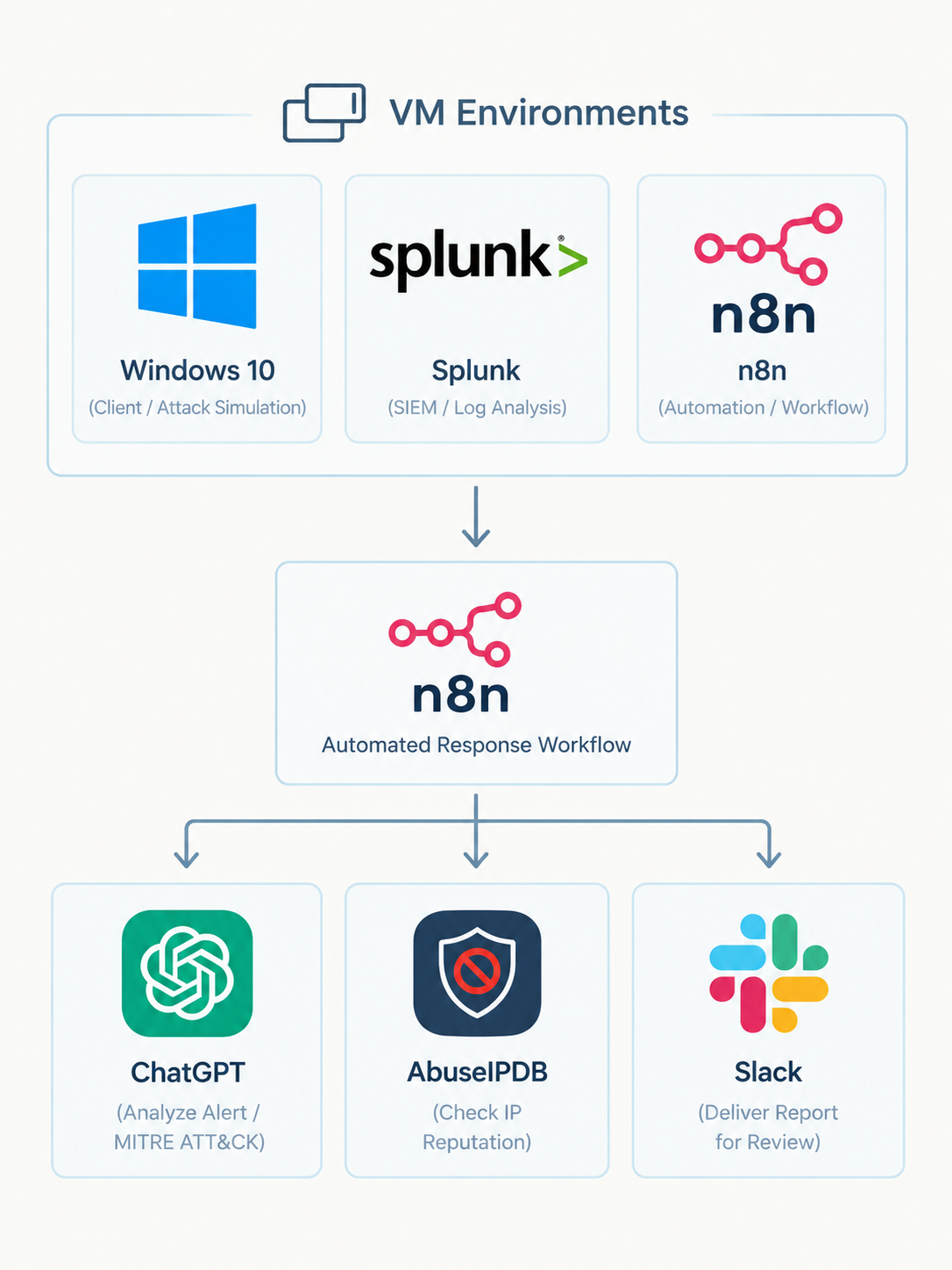
Built a home SOC lab with a Windows 10 client simulating brute-force login attempts and a Splunk server correlating telemetry into alerts. Used n8n to automate the response: alerts were enriched by ChatGPT (MITRE ATT&CK mapping) and AbuseIPDB (IP reputation), then delivered as incident summaries to Slack for review. This gave me hands-on experience with the full detection-to-enrichment-to-reporting pipeline, and taught me how much coordination it takes to get multiple tools working together under limited resources (e.g., RAM across VMs). I’m continuing to expand this lab as I work toward a SOC analyst career.
Artifact: SOC Automation Home Lab
Technical Communication
During my externship with Hydroficient, I helped secure an IoT pipeline and created a presentation explaining the work in non-technical terms so a general audience could understand it. This was one of my first experiences translating technical security work for people outside a classroom setting, which pushed me to think carefully about what information actually mattered to a non-expert audience. I learned that simplifying complex ideas without losing important details is a skill in itself, and one I want to keep building, since much of future security work involves explaining decisions to non-technical audiences.
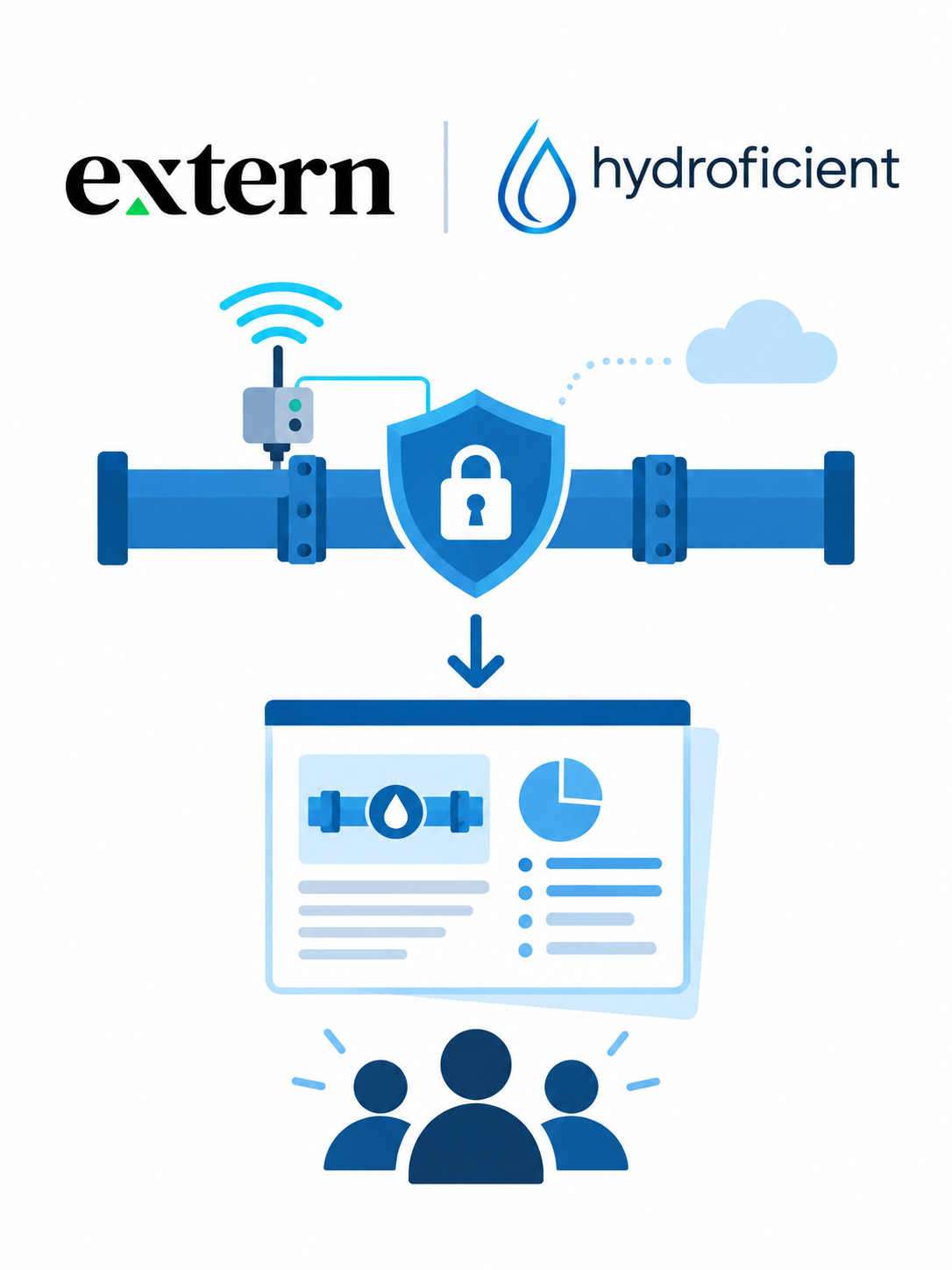
Artifact: Cybersecurity Extern Presentation for Hydroficient
Teamwork Under Pressure
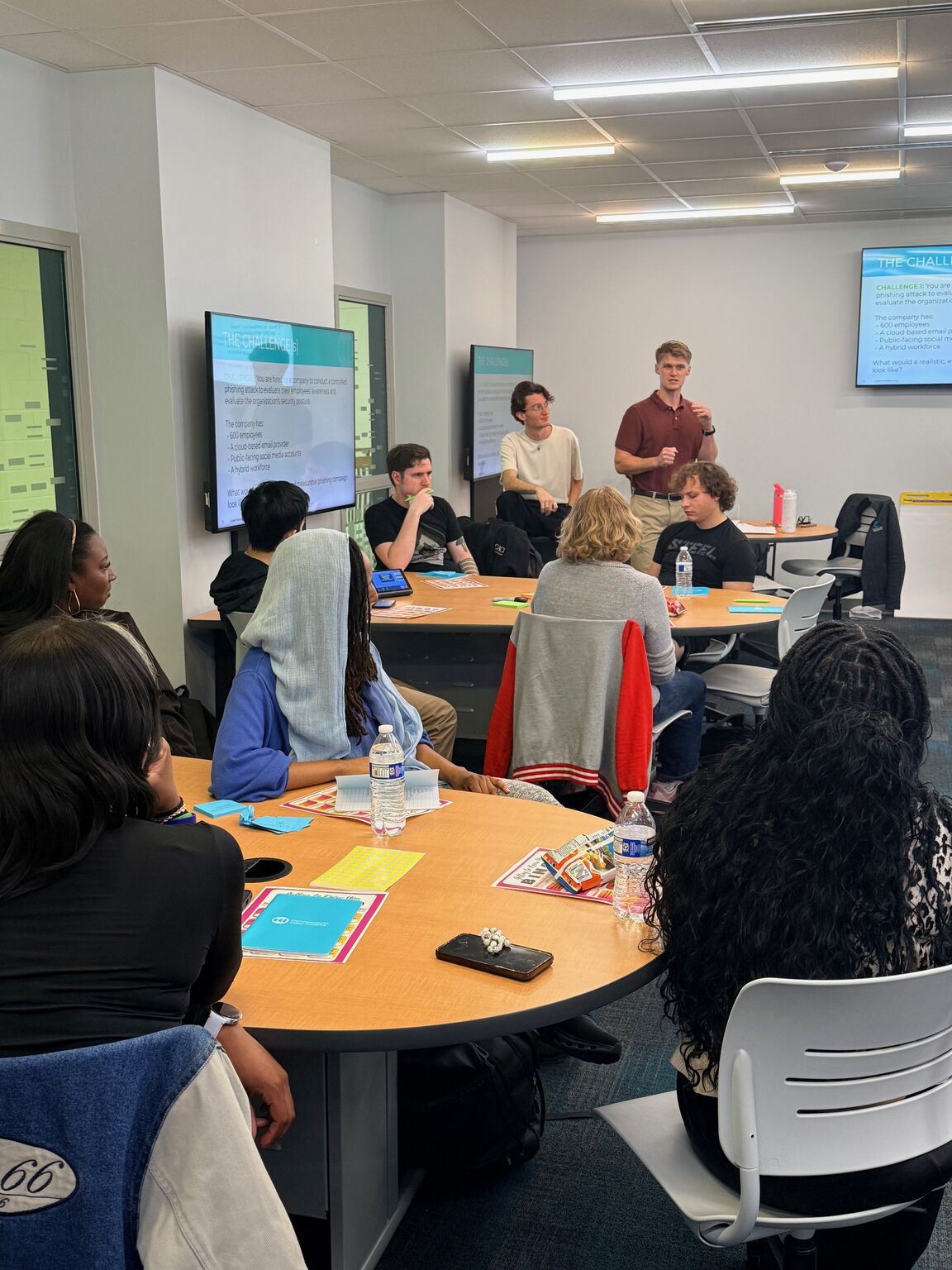
At this hackathon, my team and I had a limited amount of time to solve real cybersecurity challenges provided by industry partners. We had to quickly figure out how to divide the work and trust each other’s strengths in order to make progress. I learned how much more effective we became once we started communicating openly instead of working separately. This experience taught me that teamwork and clear communication are just as important as technical skill when solving problems under pressure. I plan to use this lesson in future group projects and in any team-based cybersecurity role I take on.
Artifact: Cyber Hackathon Hosted by CACI and COVA CCI
Security Architecture and Policy Development
During my time in CYSE425W, I wrote a series of policy analysis papers exploring Zero Trust Architecture (ZTA) from different angles, including its development, political implications, ethical implications, social implications, and overall effectiveness. Other than getting to fully understand ZTA, writing these papers helped me understand that cybersecurity is not only about technical systems, but also about the policies and decisions that shape how those systems are used. I valued learning how to look at a single topic from many different perspectives instead of just one. This project taught me that good security architecture depends on strong policy thinking, not just technical skill. I want to carry this broader way of thinking into future coursework and any policy or governance related work I do in cybersecurity.
Artifact: Zero Trust Architecture Policy Papers