Throughout this course, I have learned that cybersecurity is more than protecting computers, networks, and personal information. It is also about understanding people, their behaviors, and how technology affects society.
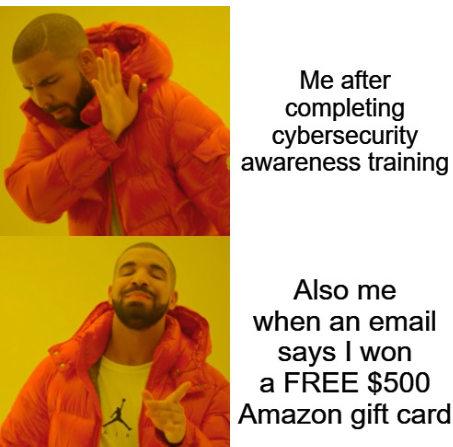
One topic that stood out to me was social engineering. Cybercriminals often target people instead of technology because it can be easier to trick someone into giving away information than it is to break into a secure system. Phishing emails, fake websites, and scam text messages are examples of how attackers use fear, trust, and urgency to manipulate people.
We also learned how psychology, sociology, and other social sciences play an important role in cybersecurity. Understanding how people think and make decisions can help explain why individuals fall for scams or ignore security warnings. Cognitive biases can influence our decisions, sometimes causing us to trust information without verifying it first.
Overall, CYSE 201S has helped me understand that cybersecurity is not just a technical issue but also a human and social issue. Having a background in technical support, I know how important it is to help people understand technology. This course has shown me that educating people about cybersecurity threats is just as important as having the right security tools in place.