Cybersecurity as a Social Science
Course Description
Cybersecurity is often viewed as a technical field; however, it is inherently multidisciplinary. Many of today’s most significant cybersecurity challenges involve human behavior, social interactions, public policy, law, crime, economics, and international relations.
This course explores cybersecurity through a social science perspective. Students will examine the social, political, legal, criminological, psychological, and economic dimensions of cybersecurity. Throughout the course, students will explore the human factors that influence cybersecurity threats, vulnerabilities, cybercrime, and cyber incidents.
The course will also examine the political and legal frameworks designed to address cybersecurity risks. Students will learn how scholars and professionals in fields such as psychology, sociology, criminology, political science, economics, law, and international studies approach cybersecurity research and analysis.
By the end of the course, students will have a greater understanding of how social science theories, principles, and research methods contribute to cybersecurity and our understanding of cybersecurity at the individual, organizational, and societal levels.



Reflection of Course
This course overall did a great job at looking at cybersecurity through a social science lens. It served as a great reminder that cybersecurity is a interdisciplinary field that incorporates disciplines like psychology and sociology along with the technological aspects. While having good hardware and software security measures is important, looking into the minds and interactions of the people/employee is just as important.
We also particpated in many discussion posts that got us to think about the connection between people and technology. Our writings covered case study articles reviews, and we looked into a cyber career to connect the concepts we learned (Each of these writings under the writings tab).
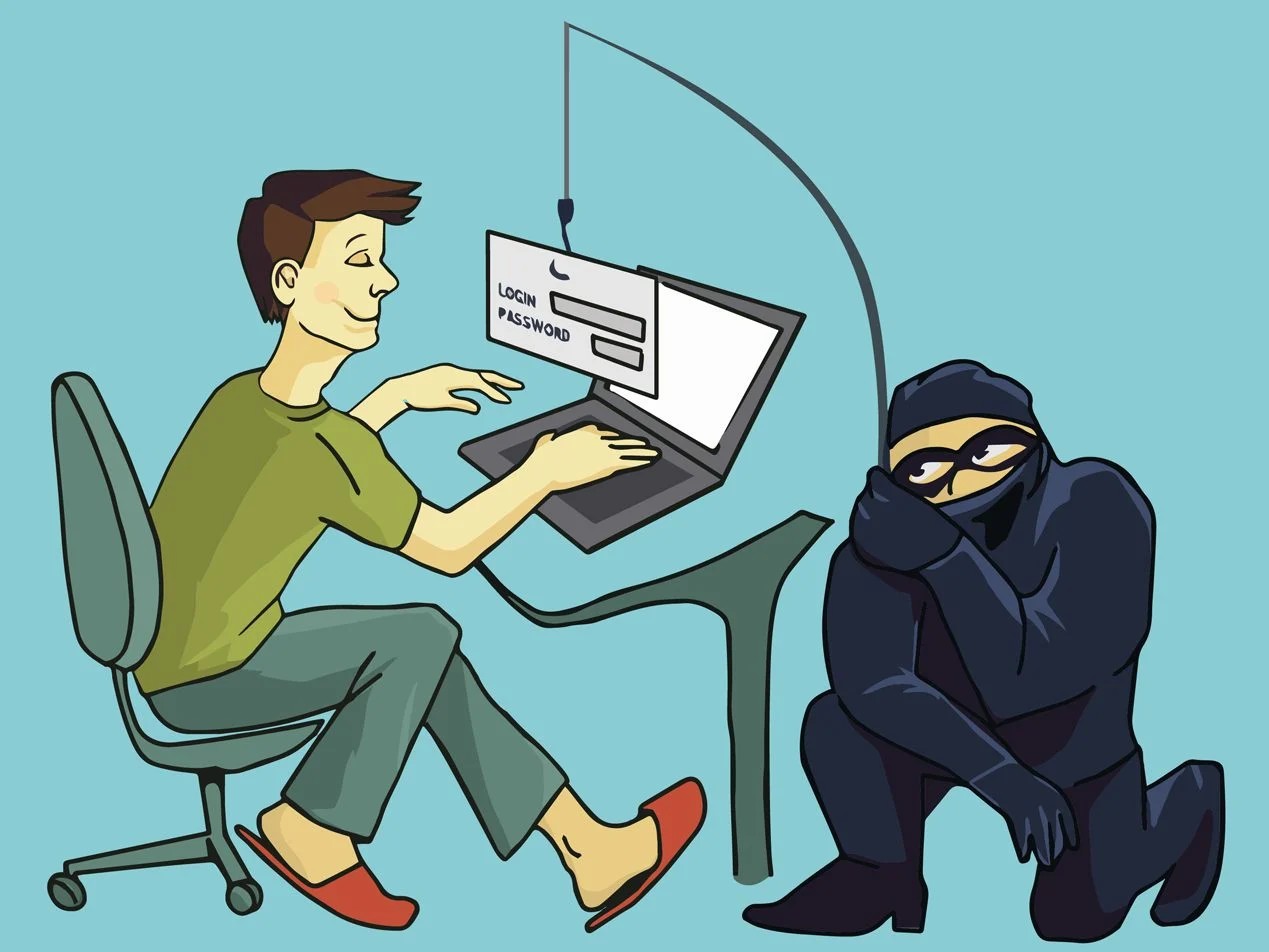
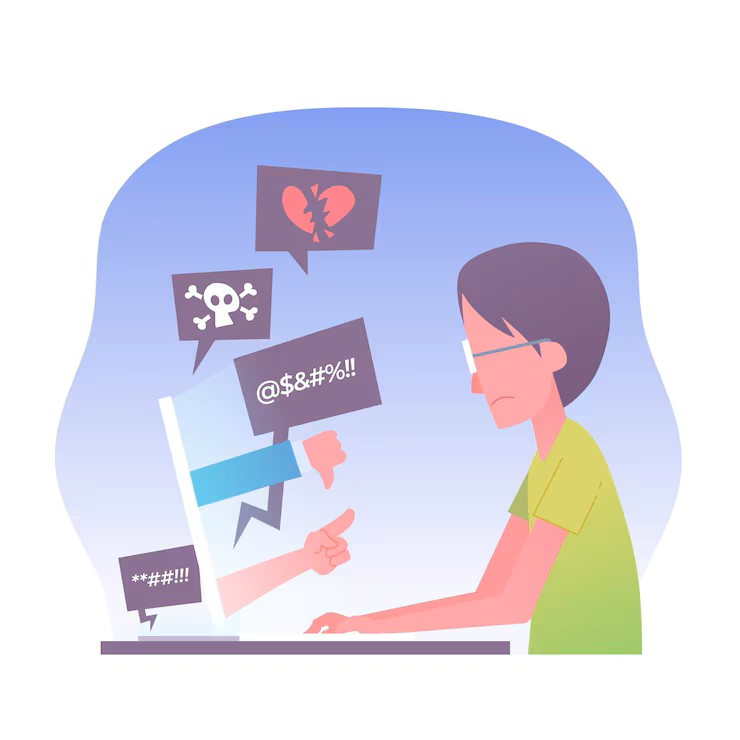
Some key parts of this course is that the people act as a “human firewall” against cyber threats; the best technical defences can easilly be bypassed if any singular employee gets compromised. It’s also important to understand cyber victims and how they are psychologically affected and the motives behind the attacker. The way people develop their sense of cybersecurity is through social influences such as parents, friends, or mentors.