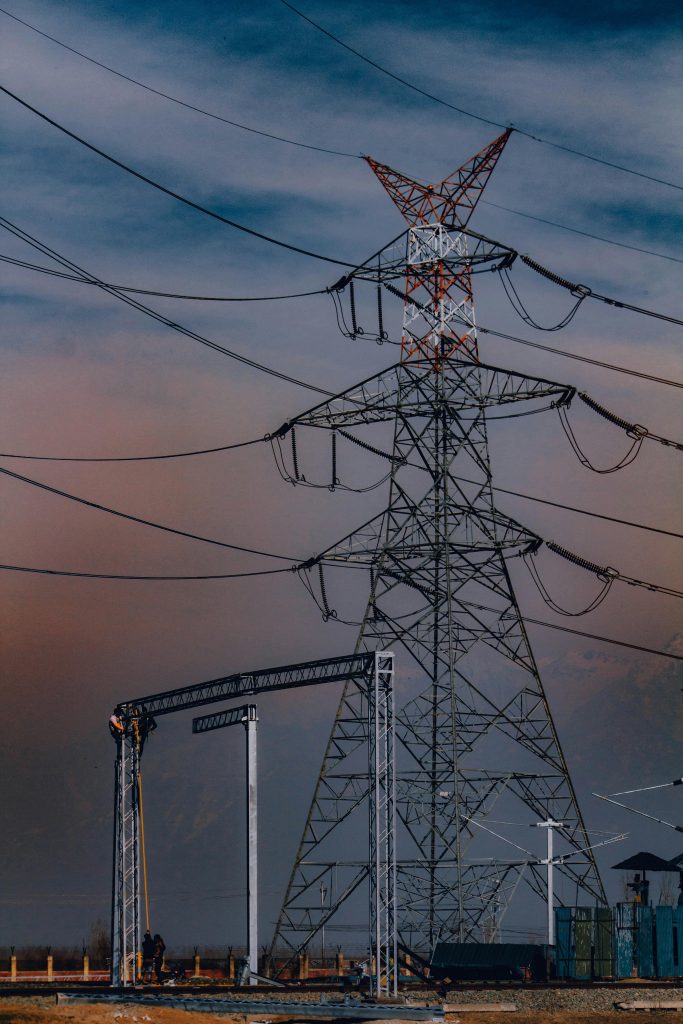
This project showcases the ability to compile and present essential information that is related to critical infrastructure. Security professionals of all levels compile data and prioritize events based on their severity.
Vulnerabilities to Critical infrastructure:
There are many reasons why someone would want to disrupt or attack critical infrastructures. There are various forms of vulnerabilities that are always at risk of exploitation. Some of the common vulnerabilities include recreational hackers, information warfare, insider threats, industrial espionage, and terrorism (Sikich, n.d.). However, vulnerabilities are not always limited to cybercrime. Critical infrastructure can become disrupted by pipe bursts, service outages, floods, and storms. Natural occurring threats are difficult to mitigate since they are natural occurrences.
How is the Critical infrastructure secured?
The critical infrastructure is secured by SCADA or Supervisor Control and Data Acquisition. This form of security offers many ways to mitigate the risks to critical infrastructure. Critical infrastructure, just like anything else in cyberspace, can be the site of criminal activity. Therefore, SCADA incorporates intrusion detection systems that observe events in the host system or network and analyzes these events for signs of unusual incidents (Geeta, 2021). Additionally, Remote Terminal Units (RTU), Master Terminal Unit (MTU), and sensors provide communication interference between software and hardware (Geeta, 2021). These sensors play a significant role in critical infrastructure security. Any slow or buffering systems output signals prompt administrators to investigate the root cause and mitigate any possible ongoing Direct Denial of Service attacks (CISA, 2023). This ensures that all systems are running fluidly and efficiently. When dealing with any network, it is always a good idea to keep logs and limit access to only those who are authorized. SCADA also implements these common security measures to ensure its security.
Conclusion
Critical infrastructure is very important to a nation’s security, finances, and information. Therefore, there are countless security measures in place to secure its overall functioning. SCADA mitigates many risks to these systems and is constantly being updated due to cyber expansion. These measures will likely be modified and updated to prevent future exploitation.
References:
Sikich, G. (n.d.). Critical infrastructure vulnerability: An overview of the report to the president from the Commission on Critical Infrastructure Protection. Cultural Heritage. https://cool.culturalheritage.org/byauth/sikich/elements.html.
Geeta, Y., & Kolin, P. (2021, April 8). Architecture and security of SCADA systems: A Review. International Journal of Critical Infrastructure Protection, https://www.sciencedirect.com/science/article/abs/pii/S1874548221000251.
CISA. (2023, October 16). APT Cyber Tools targeting ICS/SCADA devices: CISA. Cybersecurity and Infrastructure Security Agency CISA. https://www.cisa.gov/news-events/cybersecurity-advisories/aa22-103a.