
SPAN 121
Interpretive, Interpersonal, and Presentational Modes of Communication
Exploring Culture
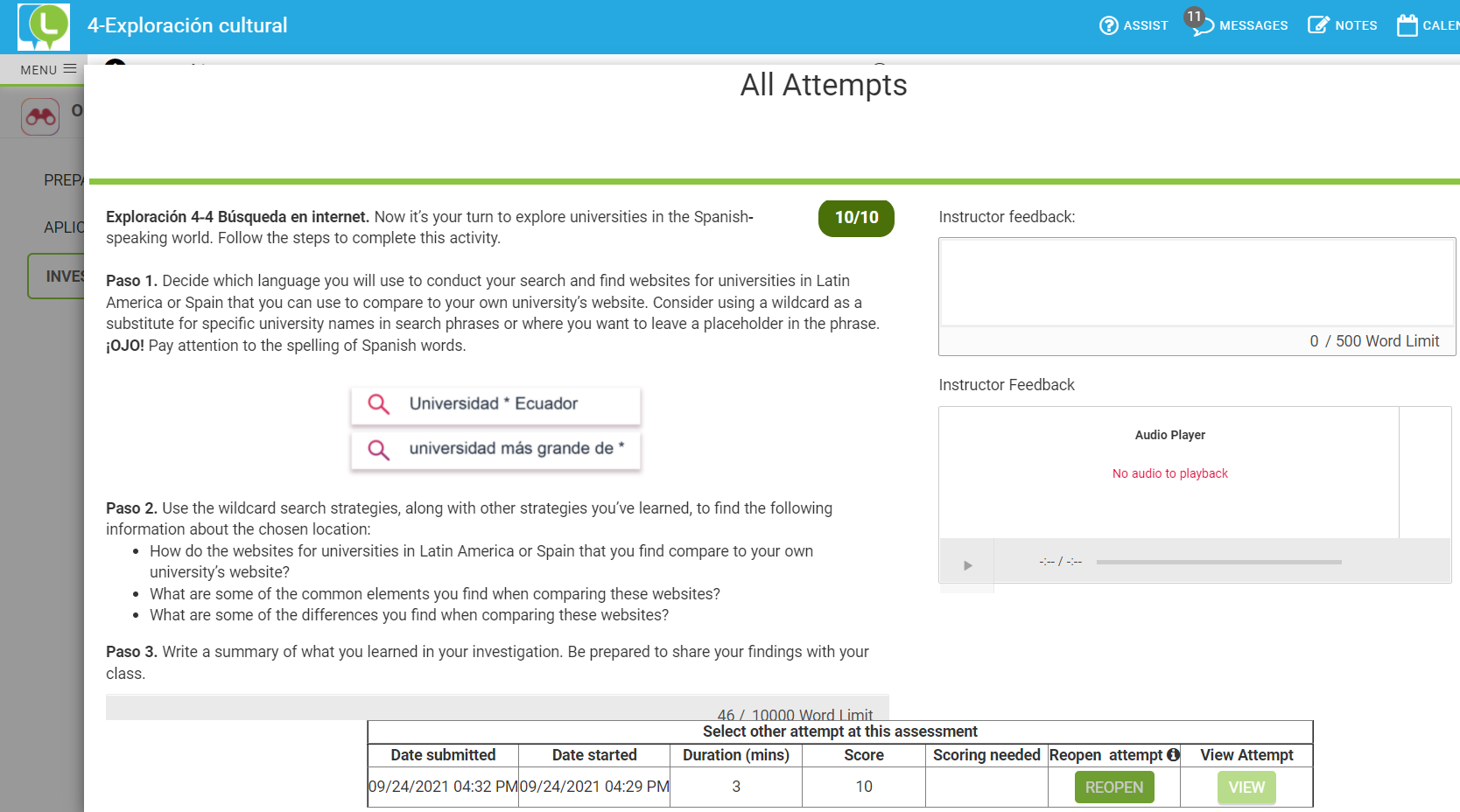
By engaging in this activity, I was allowed to showcase my ability to research in Spanish as well as learn about education (which ties into my major) in other countries that speak Spanish. Specifically, in this activity, my research focus was on the country of Argentina. A cultural fact I attained from my research was the interfaces of the universities in Argentina were more friendly to all languages rather than just Spanish. Learning this further bolstered my opinion that other countries, especially Spanish speaking countries, are much more accomodating to people of other cultures who speak different languages. These countries, specifically Argentina, recognize there are other languages besides their own. This is because Argentina was a refugee country for Italians during the Second World War after the totalitarian reign of Benito Mussolini. By having a mass influx of Italian immigrants, there was a multitude of cultural diffusion, and this showcased the accepting culture of Argentina.
Engaging in Communities
If I was to start a Spanish club at my school I am certain it would have a positive impact on the students’ views of Spanish-speaking countries. Engaging in this club would also expand the knowledge of the students participating because of them learning another language.
Interpersonal Communication
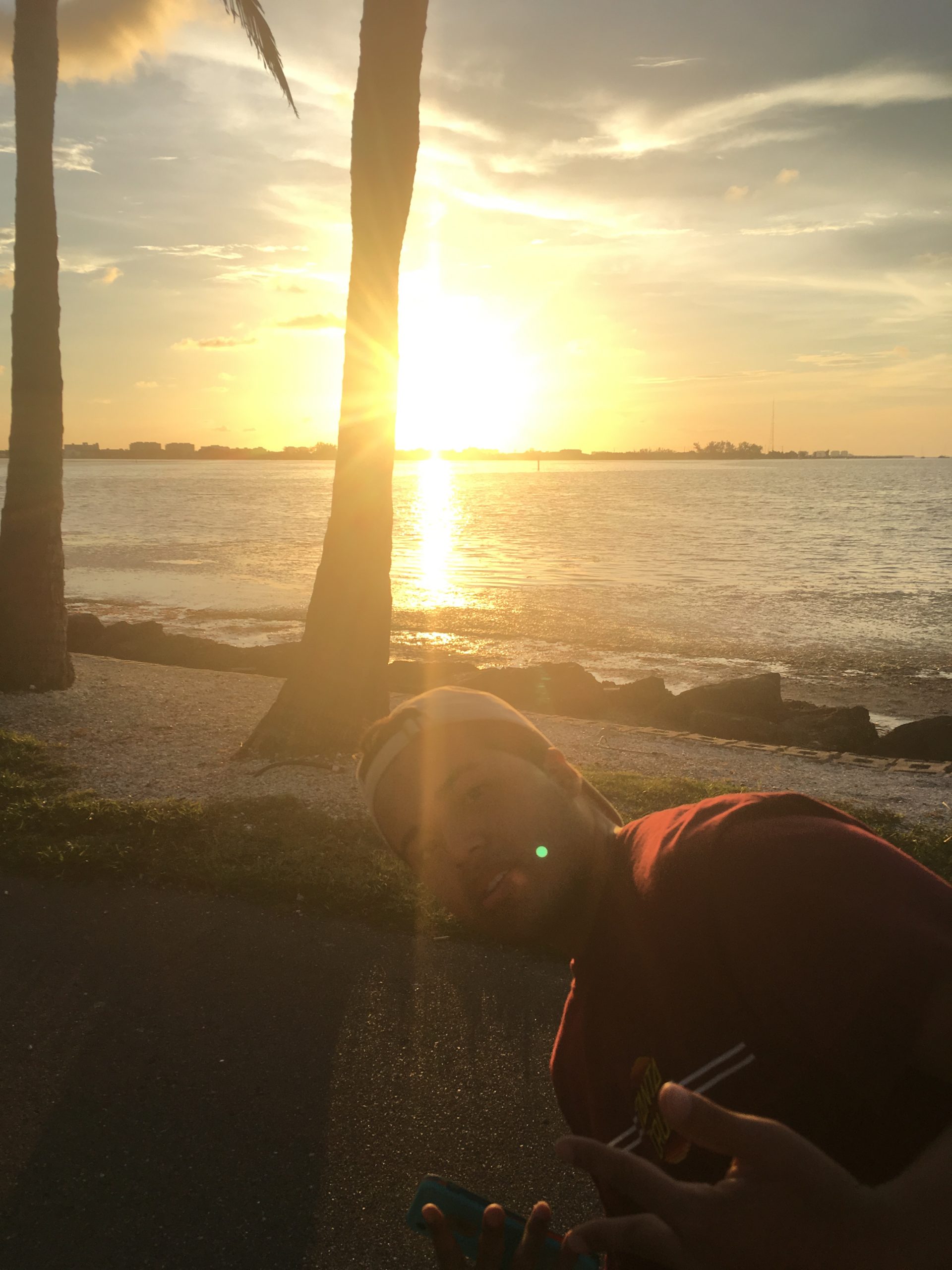
Having conversations in Spanish with a native speaker is very beneficial, especially, when that person is your best friend you get to learn a cool cultural aspect like learning slang in another language. One difficulty I found with speaking with Diego is he speaks in a South American vernacular while, my whole life, I have been learning “The King’s Spanish”. Therefore, sometimes, he will say words I am unfamiliar with. However, this helps add knowledge of the cultural aspect of Spanish because, like English, there are many vernaculars to learn in Spanish as well.
Presentational Speaking
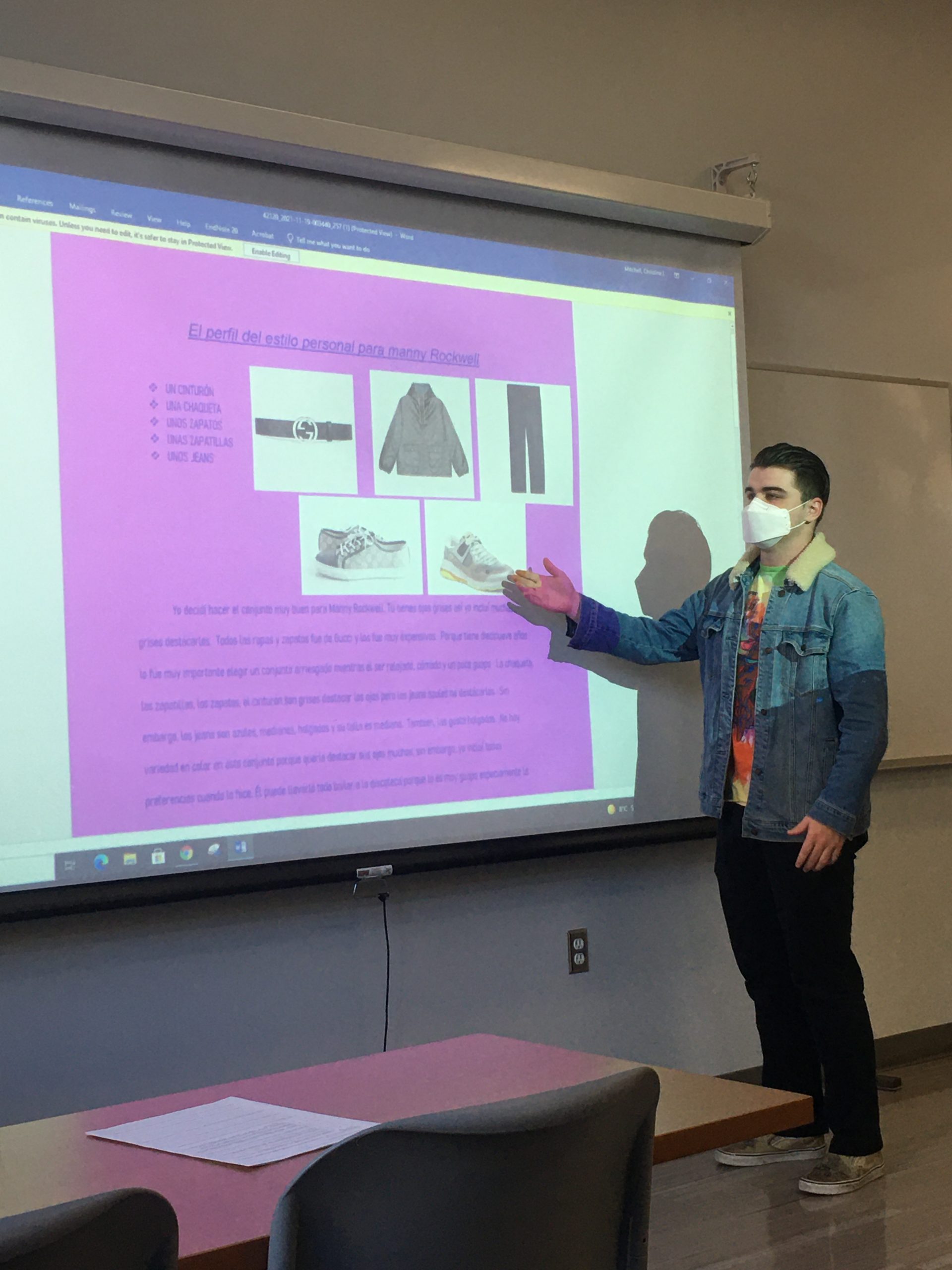
This was a challenging task for me because I had to have a script in my head to remember instead of reading off the board as I would normally present. I had to learn a new skill in that I learned to properly present in another language. I can use this skill when teaching students who are Spanish speakers so they can understand my teachings more clearly.
Presentational Writing
Proyecto-7-NOAH-SHEPHERDThis was one of the many projects where I had to showcase my writing skills in Spanish. For this project, in particular, we were instructed to make an advertisement for a university sports club trying to get Spanish-speaking students engaged in the clubs we made up.
In my opinion, this is my strongest skill in the Spanish language. Therefore, I did not really struggle with this assignment because sports vocabulary is one of my strong suits as well. However, I did have to buckle down on my time management skills in order to complete this assignment because I nearly did not finish due to poor organizational skills as well. All in all, I overcame many obstacles to complete this project and improved upon academic skills in the process.
Interpretive Listening
This is an entire playlist I have compiled of all Spanish songs. I found it helpful to improve my listening skills.
The most difficult part about listening to Spanish music is the great variance of the speed of speech between the different artists. For example, Elvis Crespo sings a lot faster compared to Marc Anthony. However, because of the difference in speed of speech, I learn different skills to interpret the words. The songs are also very poetic and contain metaphors, symbolisms, and allusions endemic to Spanish culture. This allows me to analyze the meaning behind the words in Spanish as well as comprehend the metaphors, symbolism, and allusions. I overcame these setbacks by listening to the songs more so I could go back and learn the words for next time I would listen and I would eventually know the words.
Interpretive Reading
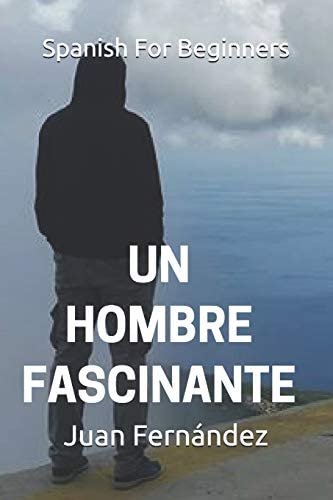
The most difficult part of this was the unfamiliar vocabulary contained in the text. We read this book at the beginning of the semester, so we did not have as much vocabulary learned at that point of the term. As I studied more vocabulary, and the more we read the book, I began to understand the content and the story that was being told. This book was designed for beginning Spanish speakers and you could tell because of how helpful it was in developing my interpretive reading skills.