Interpretive, Interpersonal, and Presentational Modes of Communication
Artifacts
Instructions
Exploring Culture
When I am learning a new language it increases my ability to empathize with others and their cultures, whilst broadening my own worldview. Of course I feel that the road to language fluency is long and winding, but as I start getting better, I really feel the understanding of other cultures grow within myself. I gain a deeper cultural understanding that isn’t easy to express, and even when I begin to learn another language it may just remind me that the big wide world out there is diverse, rich and beautiful, which is amazing in itself.
Engaging in Communities
- It Increase the likelihood that projects or solutions will be widely accepted. People who participate in these processes show significant commitment to help make the events happen.
- It Creates more effective solutions. Drawing on local knowledge from a diverse group creates solutions that are practical and effective.
- Improves people knowledge and skills in problem solving. Participants learn about the issues in-depth. Greater knowledge allows them to see multiple sides of the problem. Citizens can practice communication and decision-making skills
Interpersonal Communication
Connecting myself to other cultures helped me experience the world as it is – a hugely diverse place composed of many, many different approaches to life itself. There is tremendous satisfaction in ‘solving’ the questions we may have about the world and certainly, learning a foreign language can expand some of these. A language can help me align to something new in life. Perhaps I always loved the idea of Greek island life, those sapphire waters, and the white washed buildings. Learning the Greek language can really help me embrace this intrigue, connecting to the people and the culture whilst simultaneously stimulating my own interests.
Presentational Speaking
- During my Spanish class we had Spanish oral exams to Practice: The oral exam requires a student to speak in Spanish for an extended period, which can help develop fluency and confidence in presenting information. This practice can also help a student become more comfortable with the language and improve their ability to communicate effectively.
- Feedback: During the oral exam, the teacher or evaluator will provide feedback on the student’s speaking skills. This feedback can be used to identify areas for improvement and work on them, such as pronunciation, grammar, and vocabulary.
Presentational Writing
The assignment help me become comfortable with speaking to another individual in Spanish. I was able to learn the different aspects of speaking to another when having to describe myself in a different language. What was easier though was simply giving a introduction and actually listening to the words they say for me to respond. What became difficult was sometimes the consistent flow in which the language is spoken, it leaves my mind blank sometimes.
Interpretive Listening
- Listening to native speakers: Listening to native speakers is one of the best ways to improve interpretive listening skills. Students can listen to Spanish podcasts, news broadcasts, music, or watch Spanish movies or TV shows to expose themselves to different accents, intonations, and vocabularies.
- Classroom activities: Teachers may use various interpretive listening activities to help students develop their listening comprehension skills. For instance, they may play audio recordings of conversations or speeches and ask students to answer comprehension questions or summarize the main ideas.
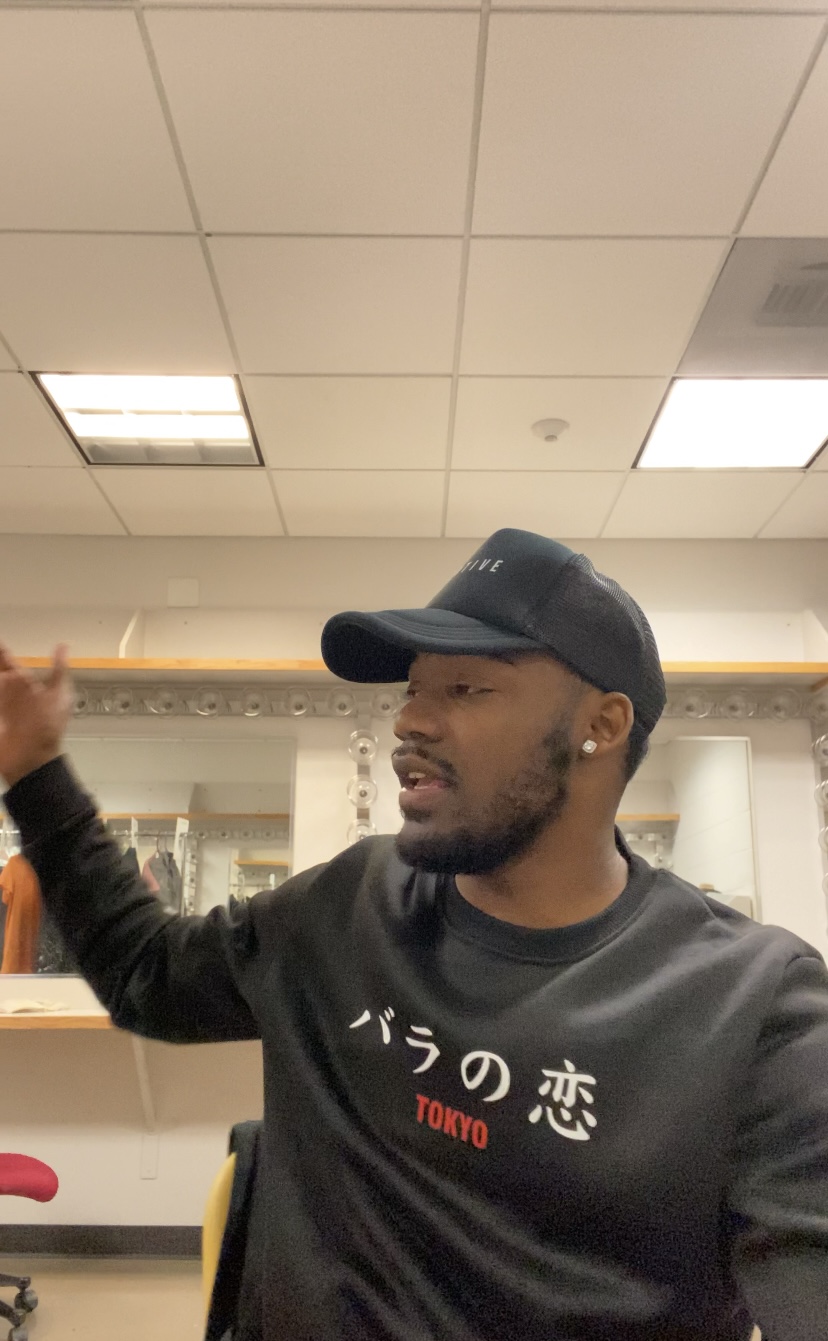
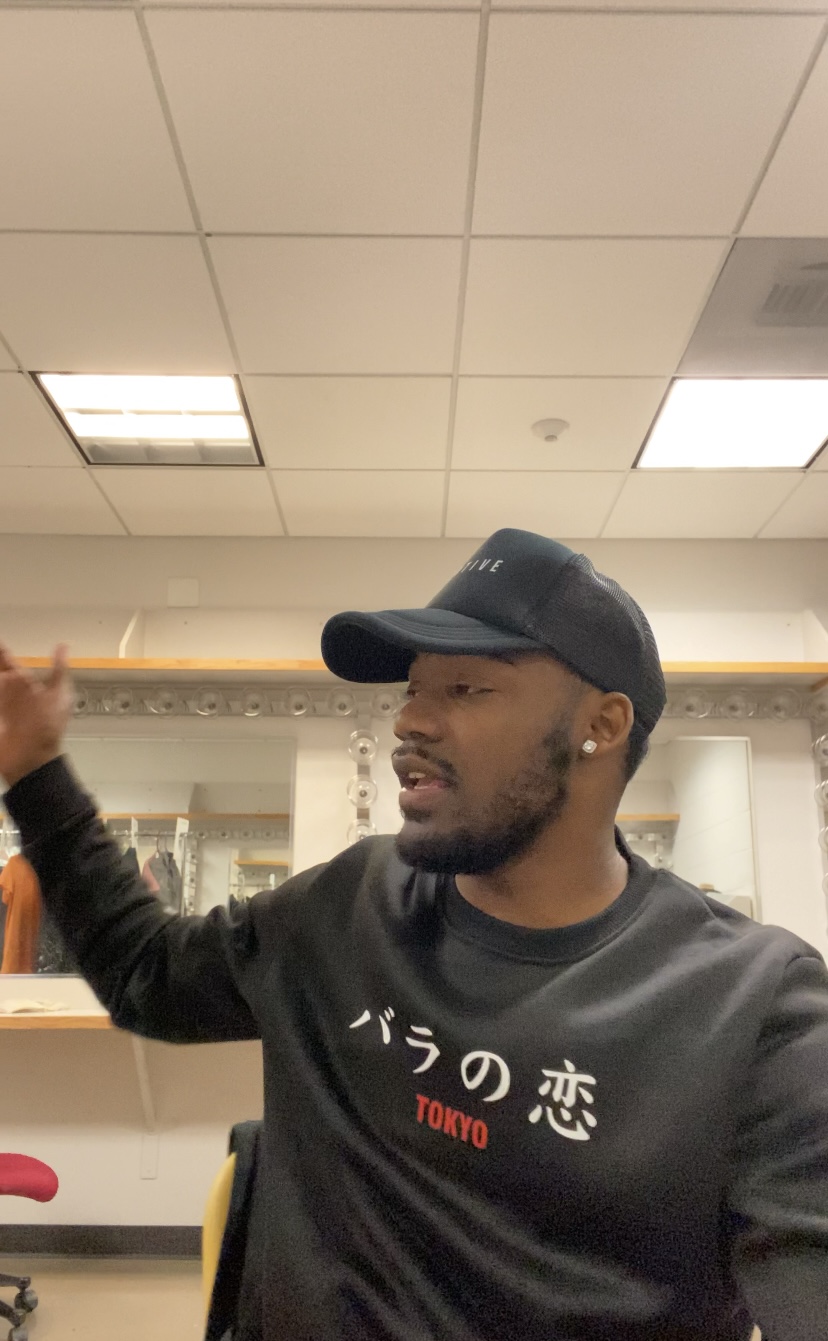
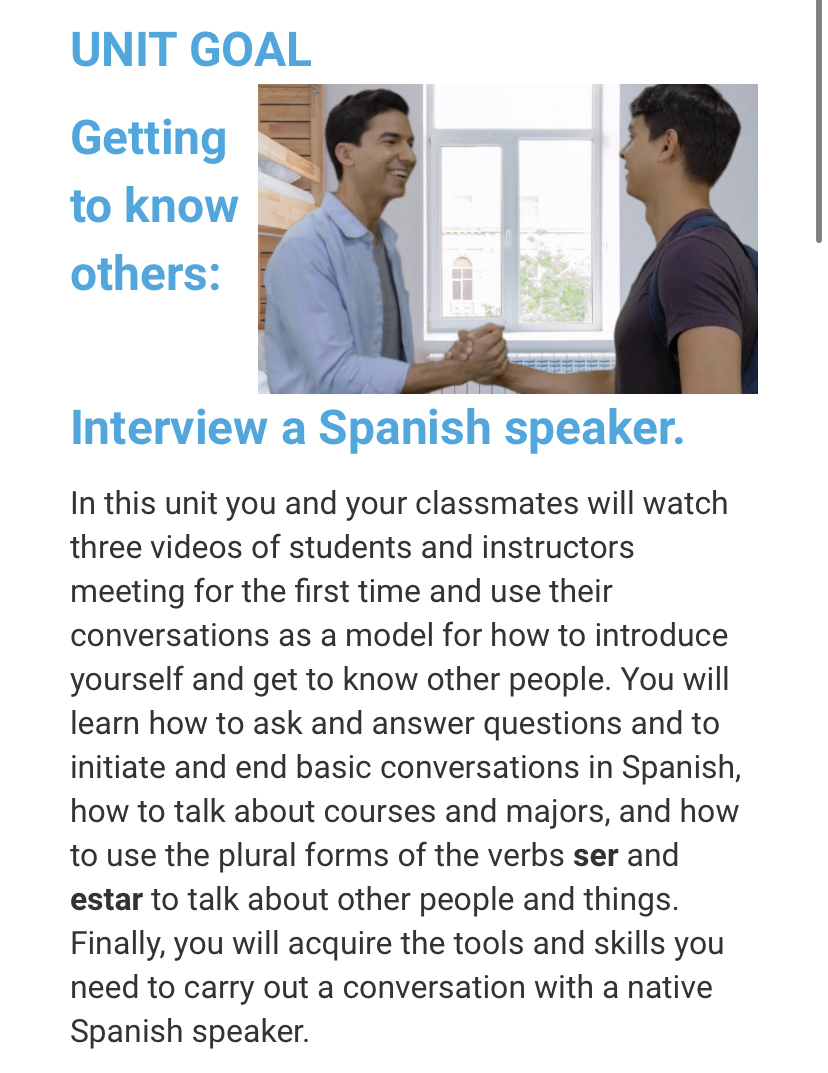
In this image I learned the significance of being able to speak with someone native to Spanish. And being able to communicate and introduce myself properly.