Interpretive, Interpersonal, and Presentational Modes of Communication
Exploring Culture
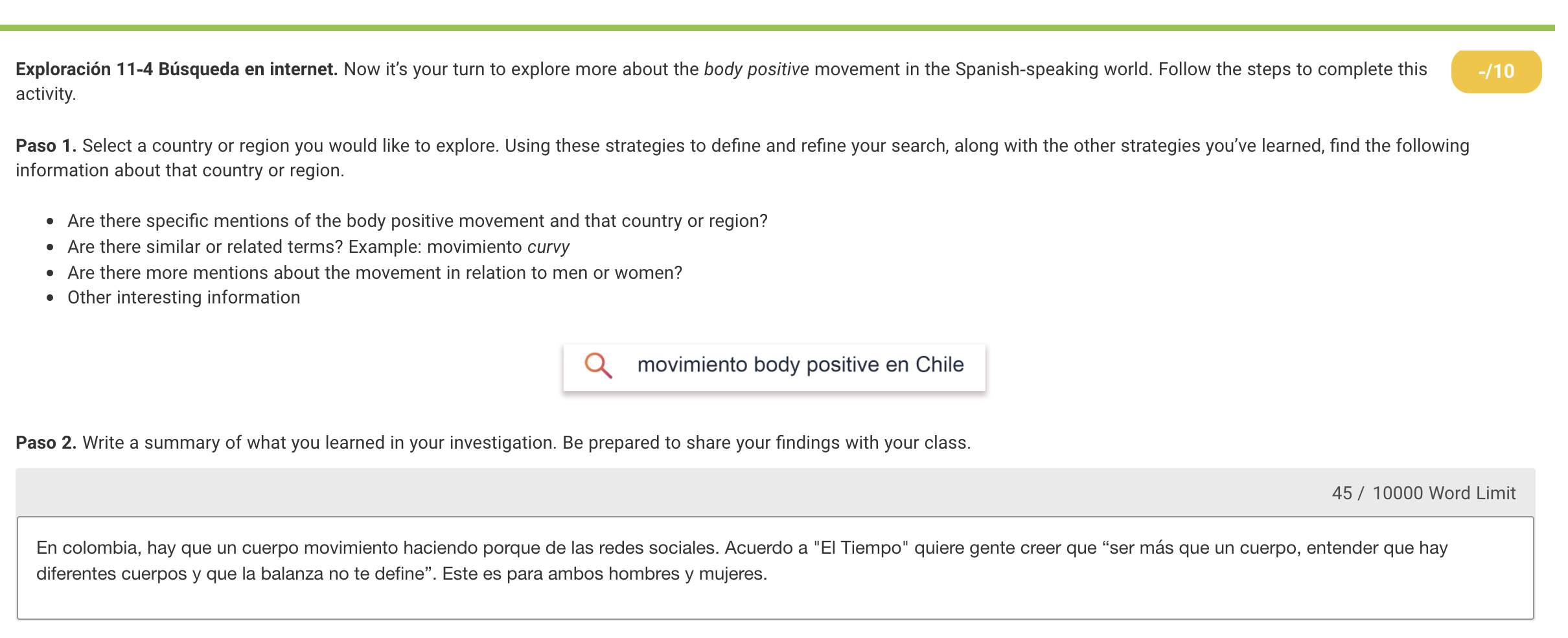
One practice that we do often in my Spanish class is “Investigar”. With this, we take the time to review a certain topic pertaining to Hispanic cultures such as careers, fellowship, and daily life in different Hispanic countries. This helps me better understand Hispanic culture because I am researching through many different articles and sites to see new points of view. This made me realize how different things are done in Latin American countries compared to America. For example, I assumed that Thanksgiving was a holiday widely celebrated in these Hispanic countries but it’s only common in Canada and America. I had to change my perspective and realize that there are many different practices that are not practiced in my country
Engaging in Communities
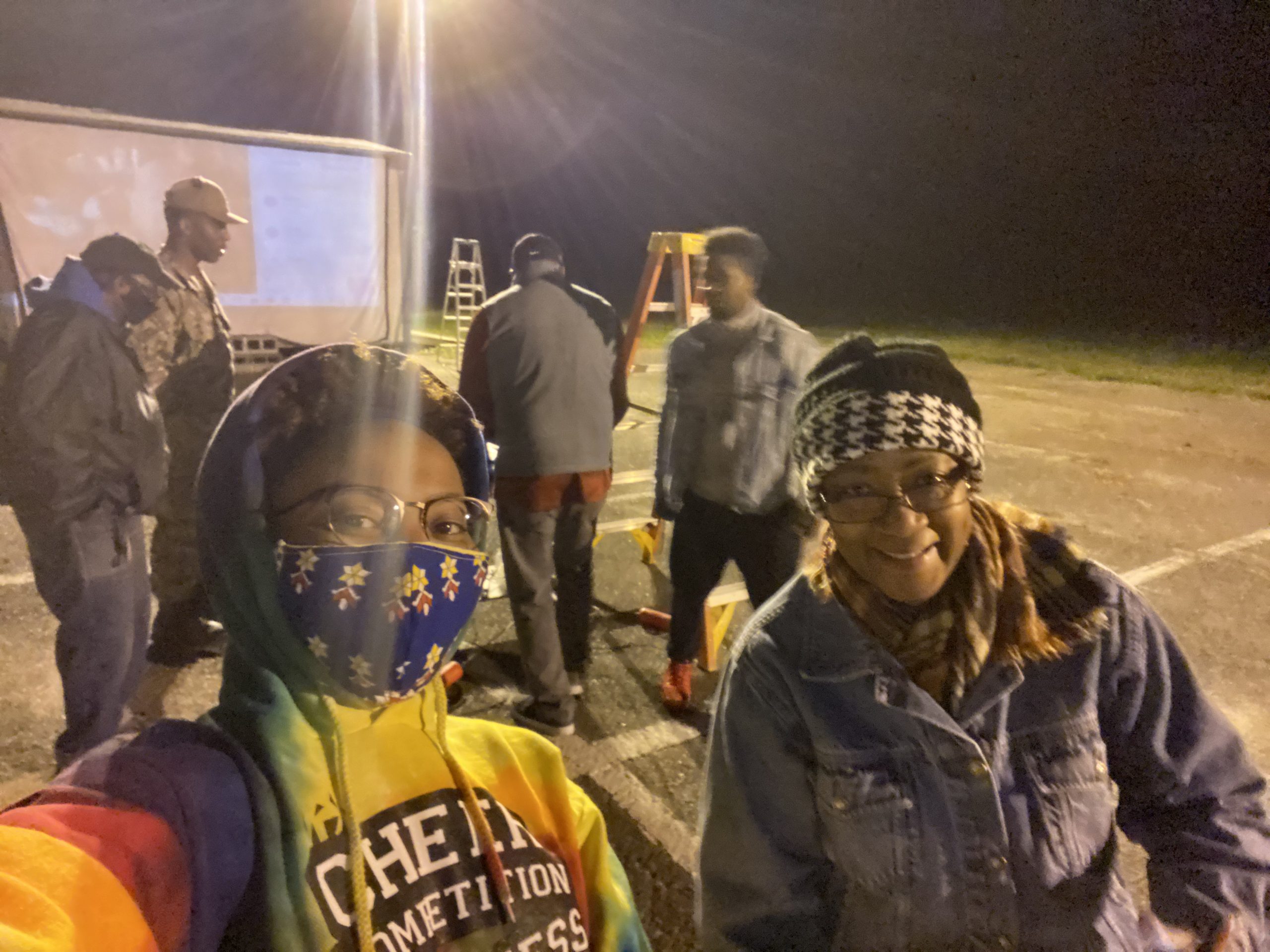
It is important to engage in your communities because it gives you the possibility to address issues and make a change. Furthermore, it will prepare you for making better decisions. One instance where I helped my community is when my church organized a drive-in movie night. Down below is the team I worked with to set this up, it was a great event where we met new people and were able to connect with one another.
Interpersonal Communication
In English, give a very brief 3-4-line description of TalkAbroad and other interpersonal oral/audio activities, discussion board and other interpersonal writing/reading activities you completed this semester inside or outside of class for or related to your Spanish learning. (See Modes of Communication link for definition and examples).
Then, in a short paragraph or two, write a reflection that includes each type of the interpersonal (spontaneous, unplanned) communication activities: telecollaborative (TalkAbroad) conversations, discussion board posts, and any other interpersonal exchange. Explain how you’ve grown with each assignment/activity. What was difficult and how did you overcome that difficulty? What did you excel at and why/how? What/how did you learn from it and would you do differently next time?
Presentational Speaking
In English, give a brief 2-3-line description of any presentational speaking activities you completed this semester inside or outside of class for or related to your Spanish learning. Include a recording of one of these speaking activities. (See Modes of Communication link for description and examples).
Then, in a paragraph, write a reflection that includes each presentation you completed in which you explain what challenged you and how you grew and overcame those challenges. What did you excel at? What/how would you do differently next time?
Presentational Writing
Down below are two advertisments I made regarding health and sports. First I brainstormed the key words I would use for each one, then I proceeded to write my sentences
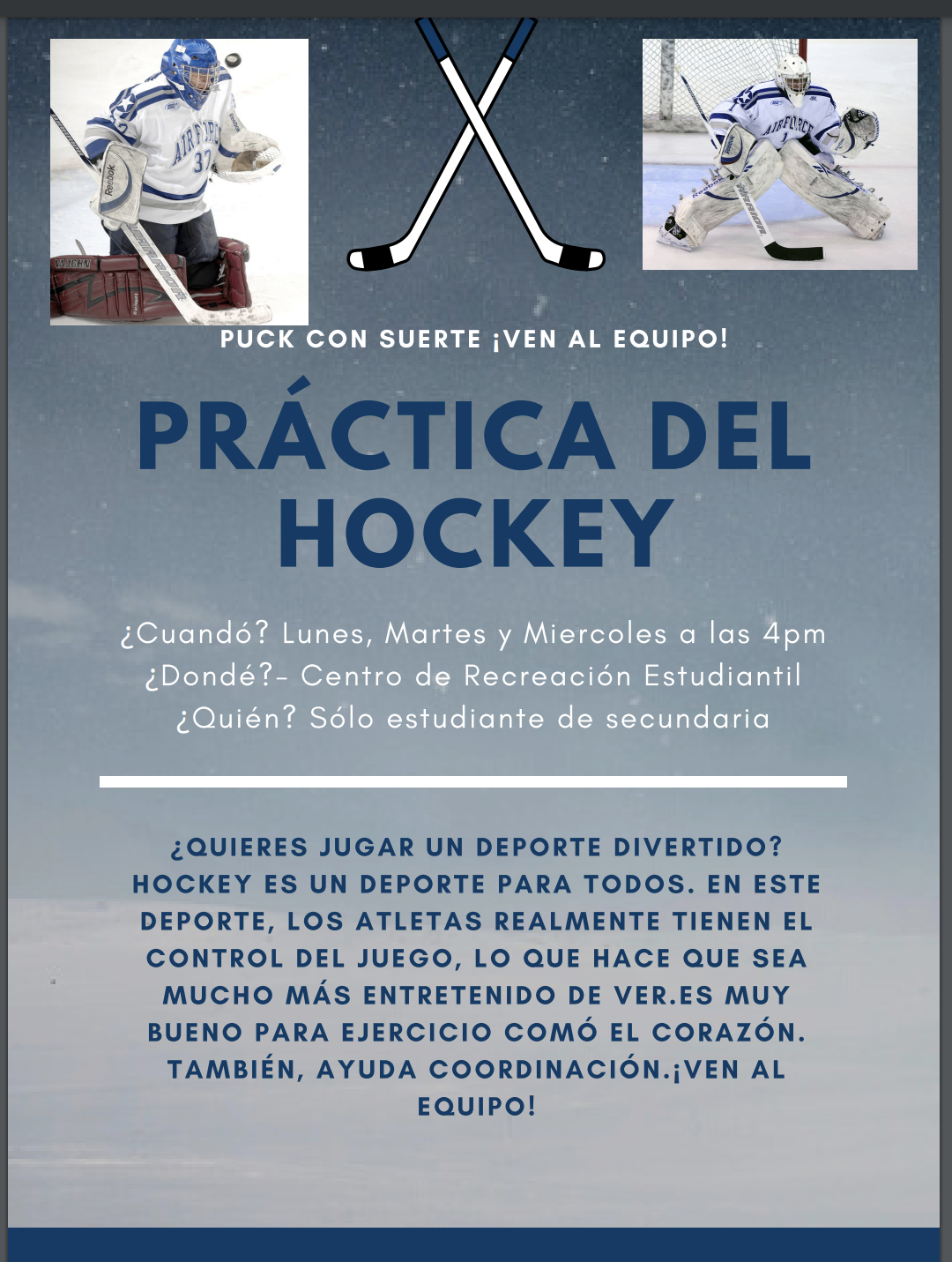
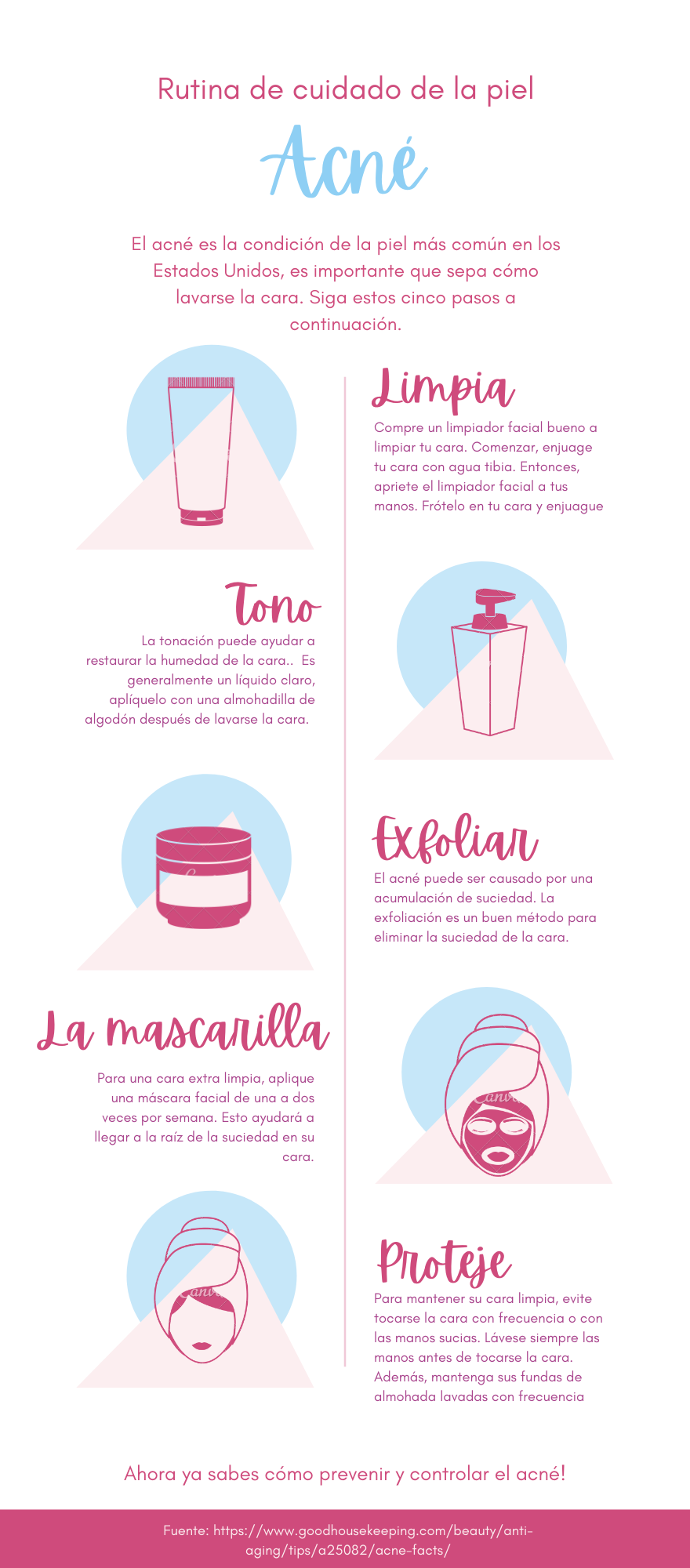
I believe that the Spanish writings have benefitted me the most in my language learning journey. It became easier to write sentences off of the top of my head, but conjugating verbs and grammar were the hardest parts. I had to continue practicing sentence structure and reviewing grammar to overcome these difficulties in my projects. With consistency, I was able to improve. In the future, for these projects, I would go back and proofread my sentences to make sure that they are correct.
Interpretive Listening
These are pictures of the Duoling Spanish podcast. Every week they post a new story that you listen to in Spanish, and then a brief recap is given in English. This is mainly targeted towards intermediate to advanced Spanish learners.
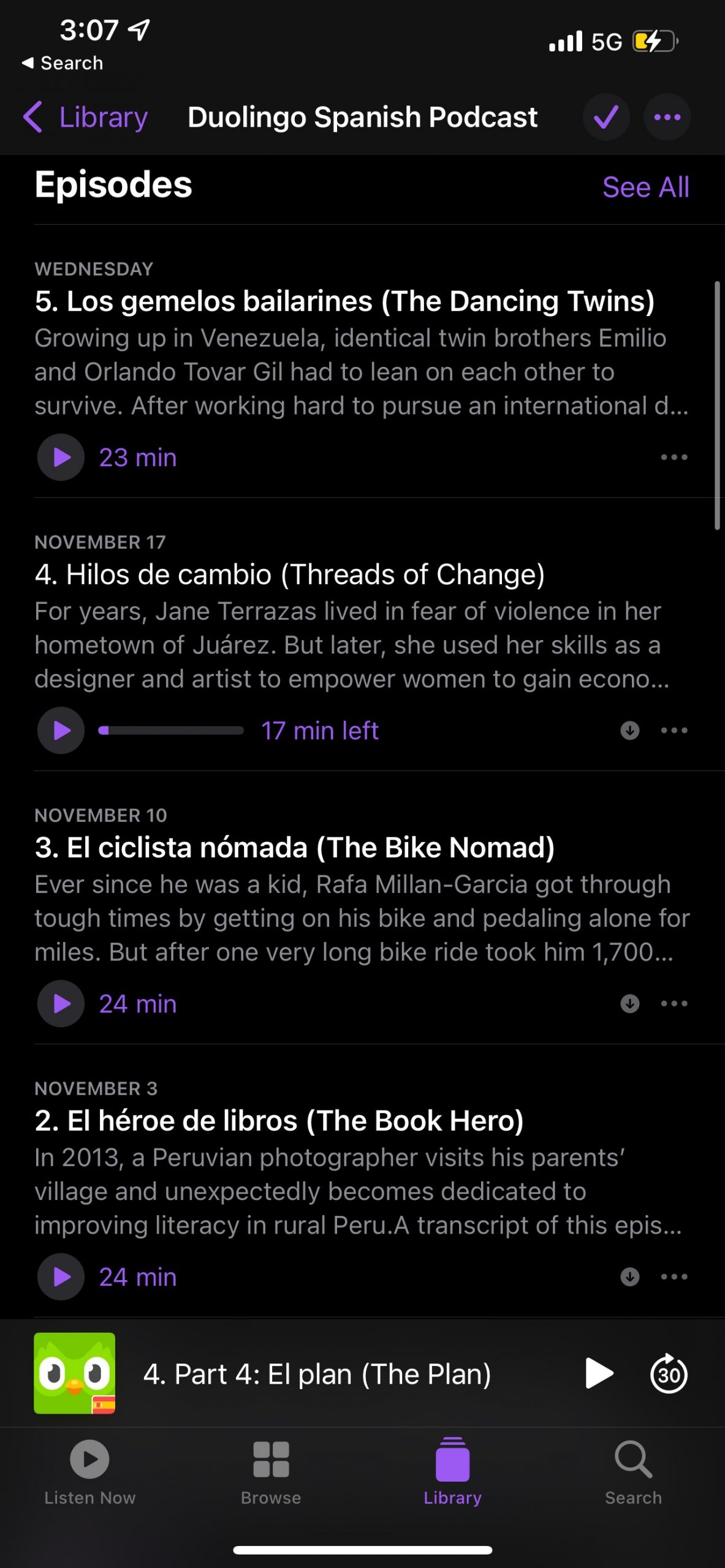
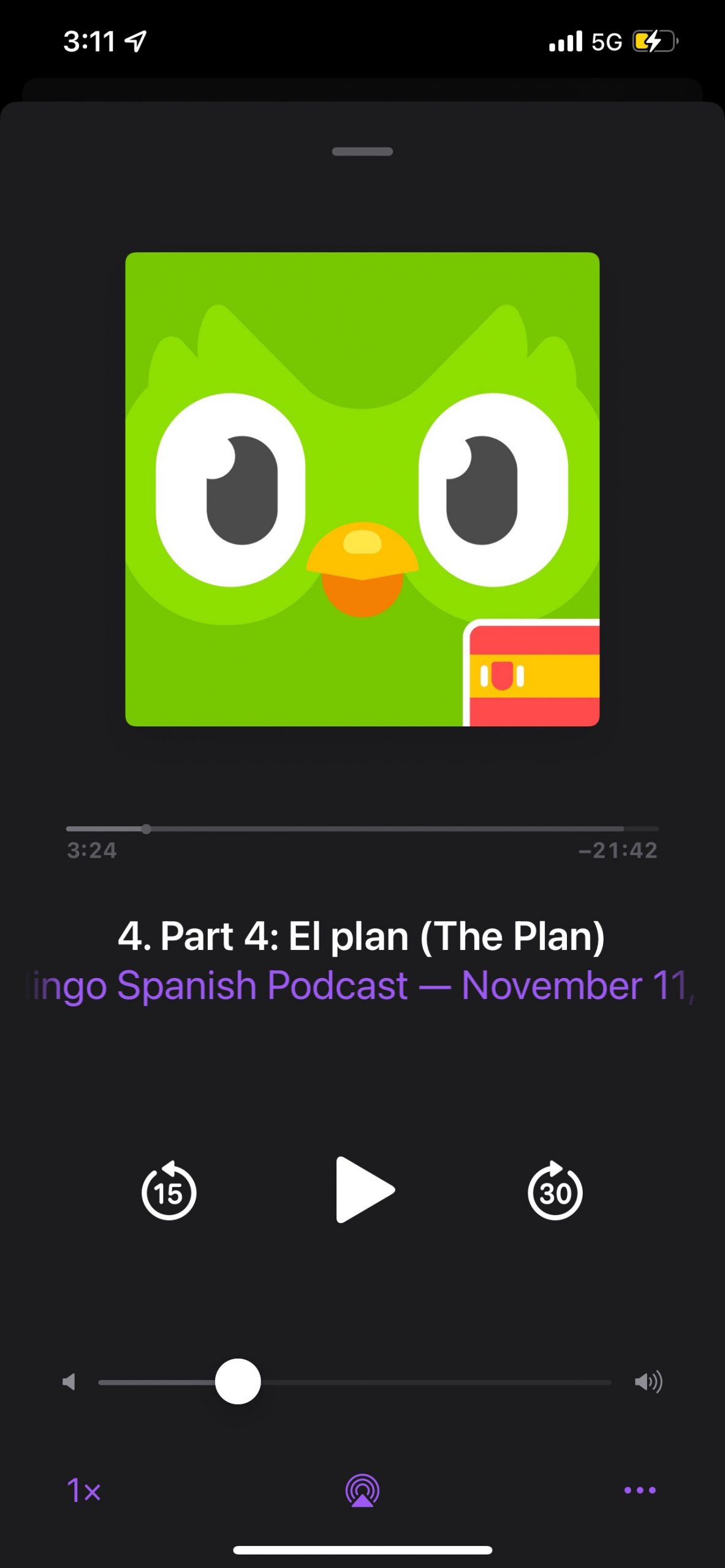
Throughout this semester in class, we have heard things from many different topics such as food vlogs, trip recaps, different styling choices for clothing, etc. The most challenging this was trying to translate the audio mentally and keep up at the same time, and I overcame this by playing the audio multiple times and listening for keywords I know. What I found most interesting was that after time, listening to audios has become very easy. Some words began to naturally register without me having to think about it. Each activity has helped me to grow because it strengthened my interpretive skills.
Interpretive Reading
In the beginning class, my professor will read books to us, and this is the third book titled “James y el melocoton gigante” This book is about a young boy and his bug friends as they travel to New York City.
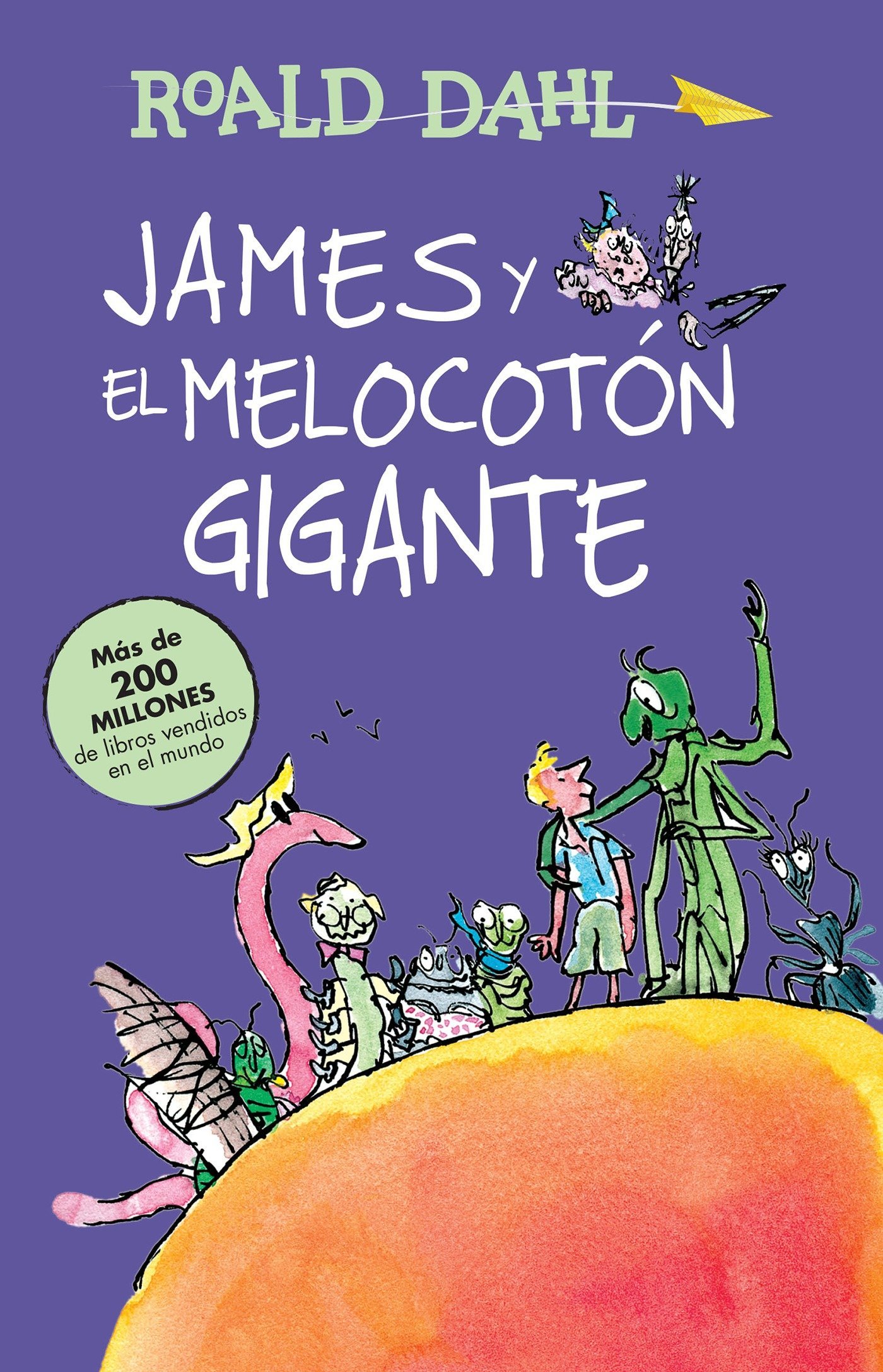
The most challenging part of reading a Spanish text is not knowing all the words and also getting used to Spanish slang. The best way to overcome this difficulty was by using context clues of the words I know. With these strategies, I have been able to grow with each reading and better understand the text.