FIFA is seen as one of the biggest organizations in the world and one that brings people together through soccer, especially during the World Cup. For a lot of people, it represents unity, culture, tradition, and competition at the highest level, but when you look a little deeper, FIFA also has a long history of corruption and controversial decisions that have damaged its reputation and the reputation of the sport over time.
A lot of these issues date to back to when João Havelange was in charge as the FIFA president. He helped grow FIFA into a global business, growing the World Cup, which led to more countries being involved (participating in the tournament and engaging with it), and bigger deals with companies like Adidas, that brought in huge amounts of money to the organization and sport. But at the same time, there were already signs of corruption. Later on, it came out that some of these business deals included bribery, especially when it came to marketing and TV rights. So FIFA was indeed growing, just not in a particularly ethical way.
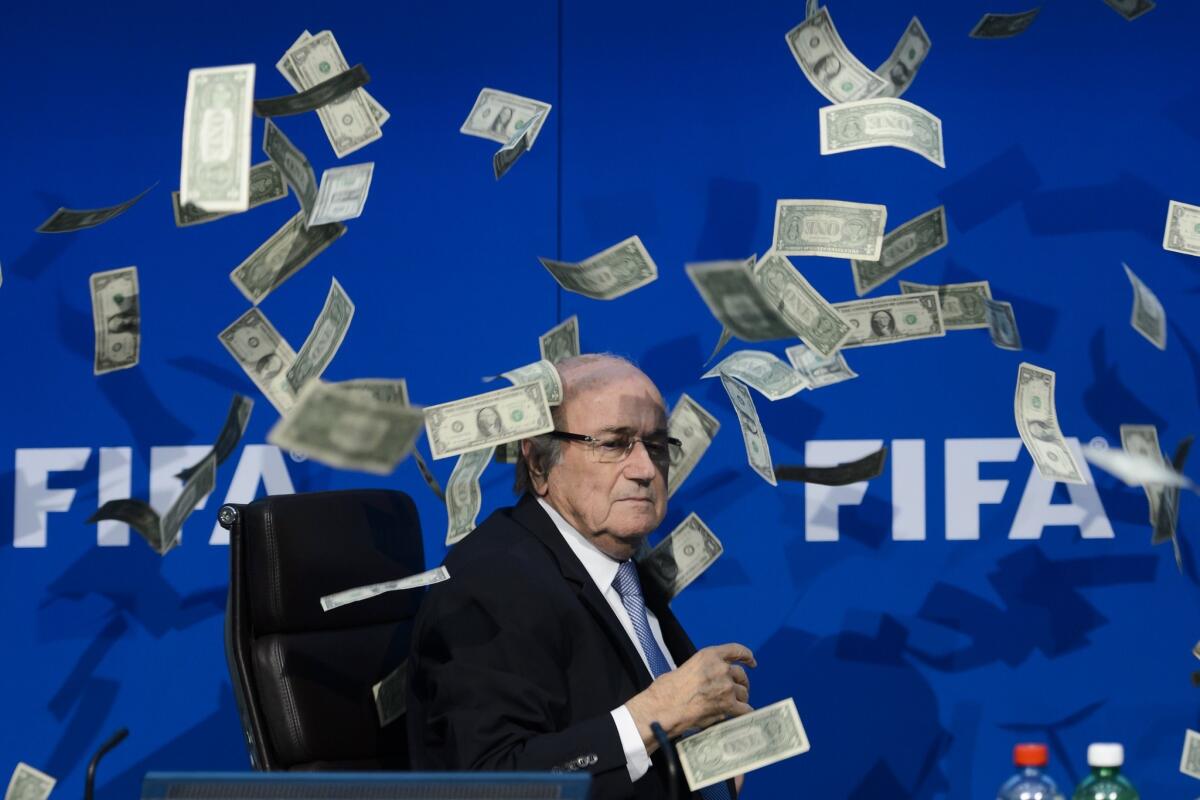
Things didn’t really improve under Sepp Blatter. If anything, the problems became more obvious. Blatter stayed in power for a long time, mostly because he had strong support from smaller countries that all had equal voting power. The biggest controversies surrounded the World Cup bidding process, which is the process in which countries bid in order to get a chance to host the World Cup, due to the high financial rewards, visibility, and even political advantages hosting the World Cup has, a lot of countries do everything they can to have this opportunity which has led to a lot of corruption and controversial decisions. The two biggest controversies were the decisions to give the 2018 FIFA World Cup to Russia and the 2022 FIFA World Cup to Qatar.
Qatar especially didn’t seem like an obvious choice. The weather is extremely hot in the summer (normal world cup schedule), which forced the tournament to be moved to the winter (first time in history the World Cup wasn’t played during the summer months), and the country didn’t have the same soccer history or capabilities as other countries that were bidding (didn’t have any proper stadiums, accommodations for the players, fans and federations etc.), which led to thousands of people being forced to work in awful conditions (terrible weather, no breaks, bad living conditions) in order to meet deadlines. There were also a lot of accusations that FIFA officials were paid off to vote a certain way. Even if not everything was proven, it definitely made people question how fair the process really was. Russia’s selection also raised concerns, especially because of politics and the lack of transparency in how decisions were made.
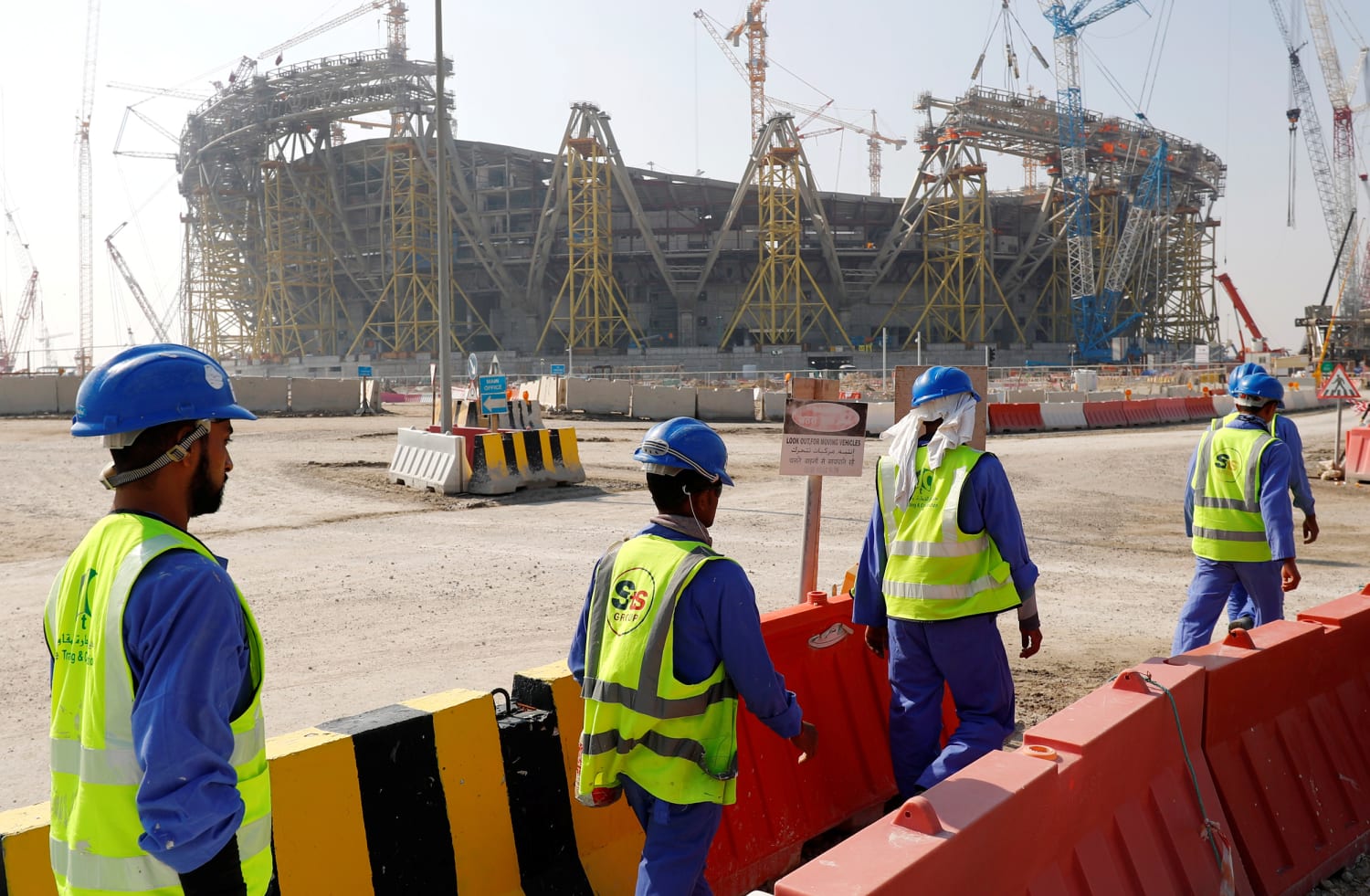
This all led to the 2015 corruption scandal. This is when everything really came out into the open. Investigators from the FBI and the US Department of Justice charged multiple FIFA officials with crimes like bribery and money laundering. Over $150 million in illegal payments over the years. After that, Blatter resigned, and it felt like FIFA had hit a breaking point.
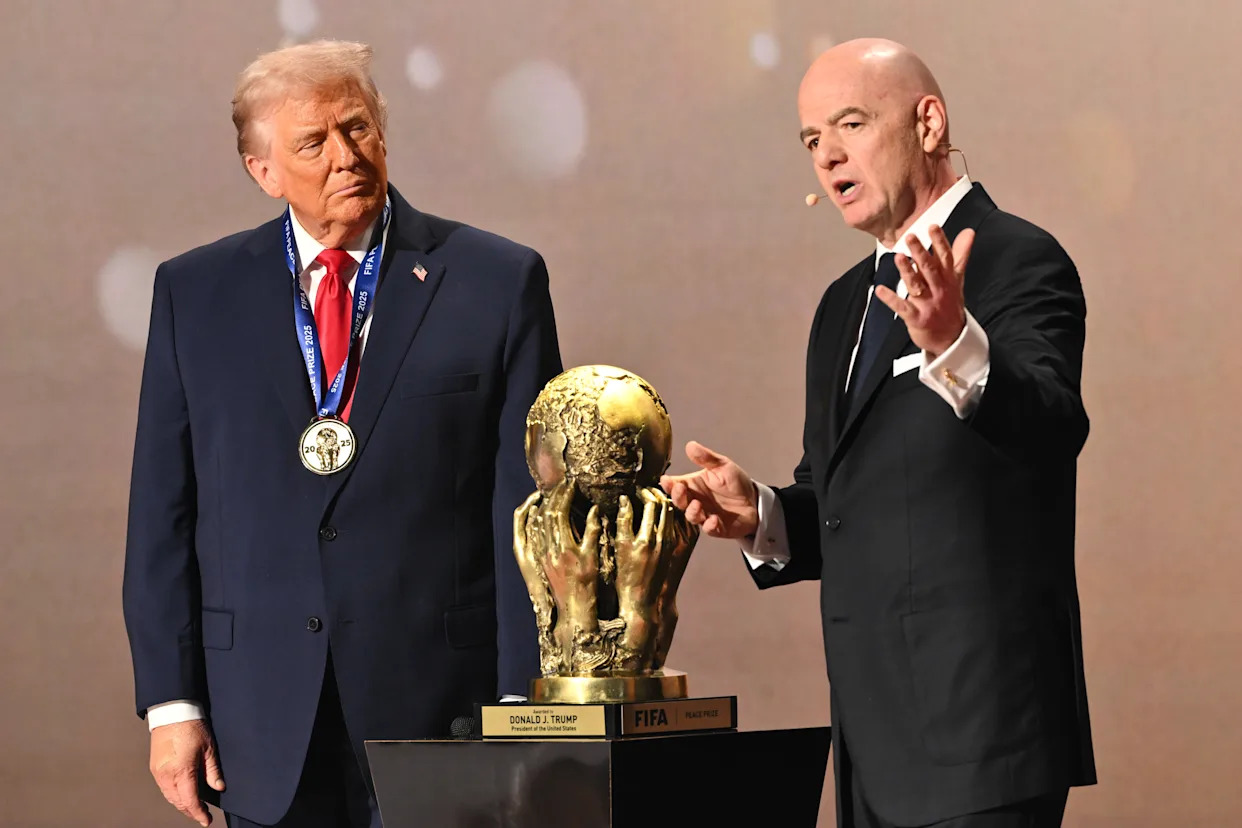
Since then, FIFA has tried to fix its image under Gianni Infantino. There have been some changes, like new rules and promises of more transparency. But people are still skeptical. Recent controversies like the awarding of the “FIFA Peace Prize” to Donald Trump (an award that was just created for that single occasion) and the decision to award the 2034 FIFA World Cup to Saudi Arabia brought back a lot of the same criticisms.
In the end, FIFA is kind of a mix of both good and bad. It has helped make soccer the biggest sport in the world, but it has also made a lot of questionable decisions along the way. For fans, that creates a weird situation. People still love the game, but it’s harder to fully trust the organization behind it.