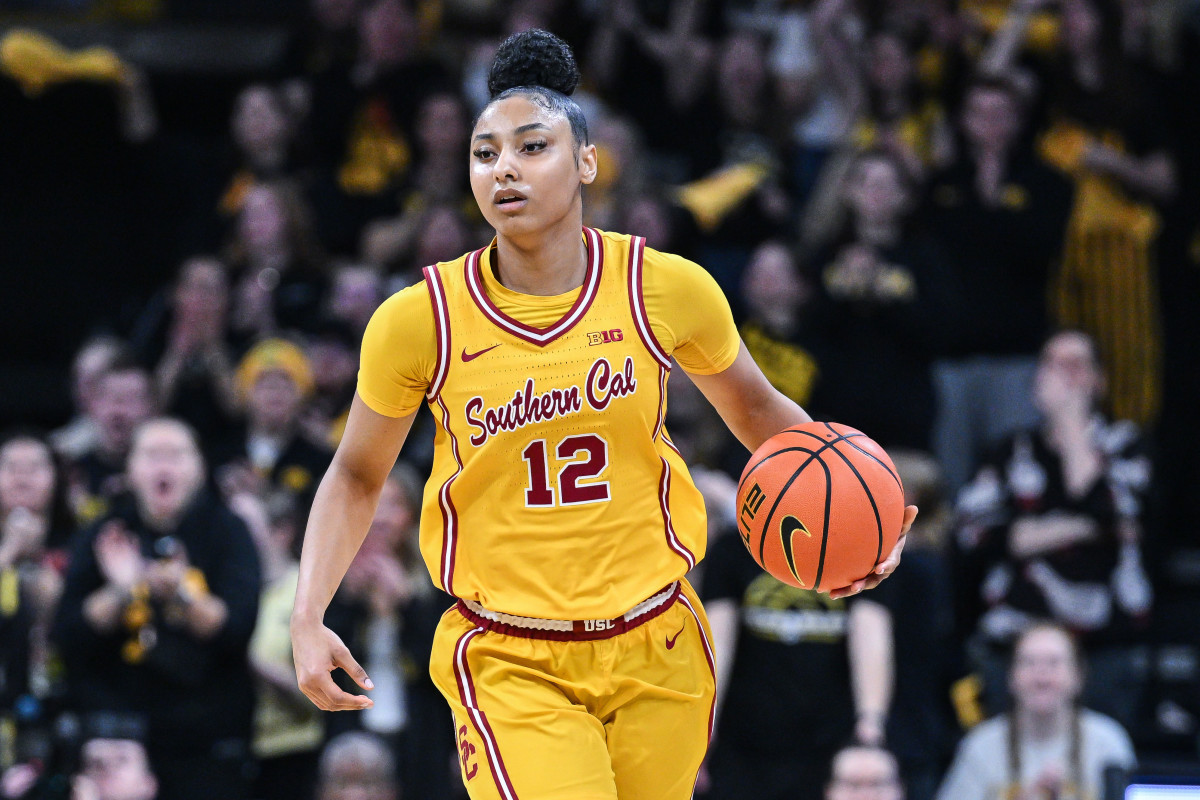
On March 24th USC star Juju Watkins tore her ACL in a match against Mississippi State, ending the rest of her sophomore year play.
Occurring during the NCAA Tournament second round, every breath in the Trojans’ arena was held as Watkins went down clutching her knee.
While the arena stilled and all eyes were on the star player, the clicks and motion of the cameras were neverending.
“She always has a lot of cameras on her, so my first thought was to try to get in front of the one that I saw,” said teammate and guard Talia von Oelhoffen. “”Everyone’s zooming in on her, and it’s just not a great moment. So, I was just trying to get around her to cover as much as we can and just make sure she knows that we’re all there.”
While this quote was pulled from ESPN, in the same article in an embedded video we still see Watkins painfully clutching her knee in clear agony.
In the sports world, even in your worst moment like a season ending injury, the camera and eyes on you never stop documenting. While the ethics of publications and media is always questioned, we can also say that it is the photographer’s job to capture what they see.
While a photographer can capture what is real and what’s raw, then is it up to the publication who chooses the photos to be ethical?
In any area where you may be working with a public figure, image and reputation matters. Most prominent in the sports world where a players face can be obscured and caught in the heat of the match choosing photos that don’t ruin their image can be a feat.
Although players may have less of a say in what photos of them are put out in the world as their career goes on, should getting the win and how you play matter more than the face you may be making during a grueling match?
Nevertheless, capturing a player in their lowest moment with an injury often gets replayed back to back, whether on social media, in game, or with photos, analyzing how the injury happened.
While scrolling Youtube by just searching NFL injuries, there are thousands of videos replaying a player’s worst “career ending” or “season ending” injury. While that can be a player’s worst moment of their life, they are forced to live with it not only as they get older physically, but mentally as the world and everyone around them never forgets.
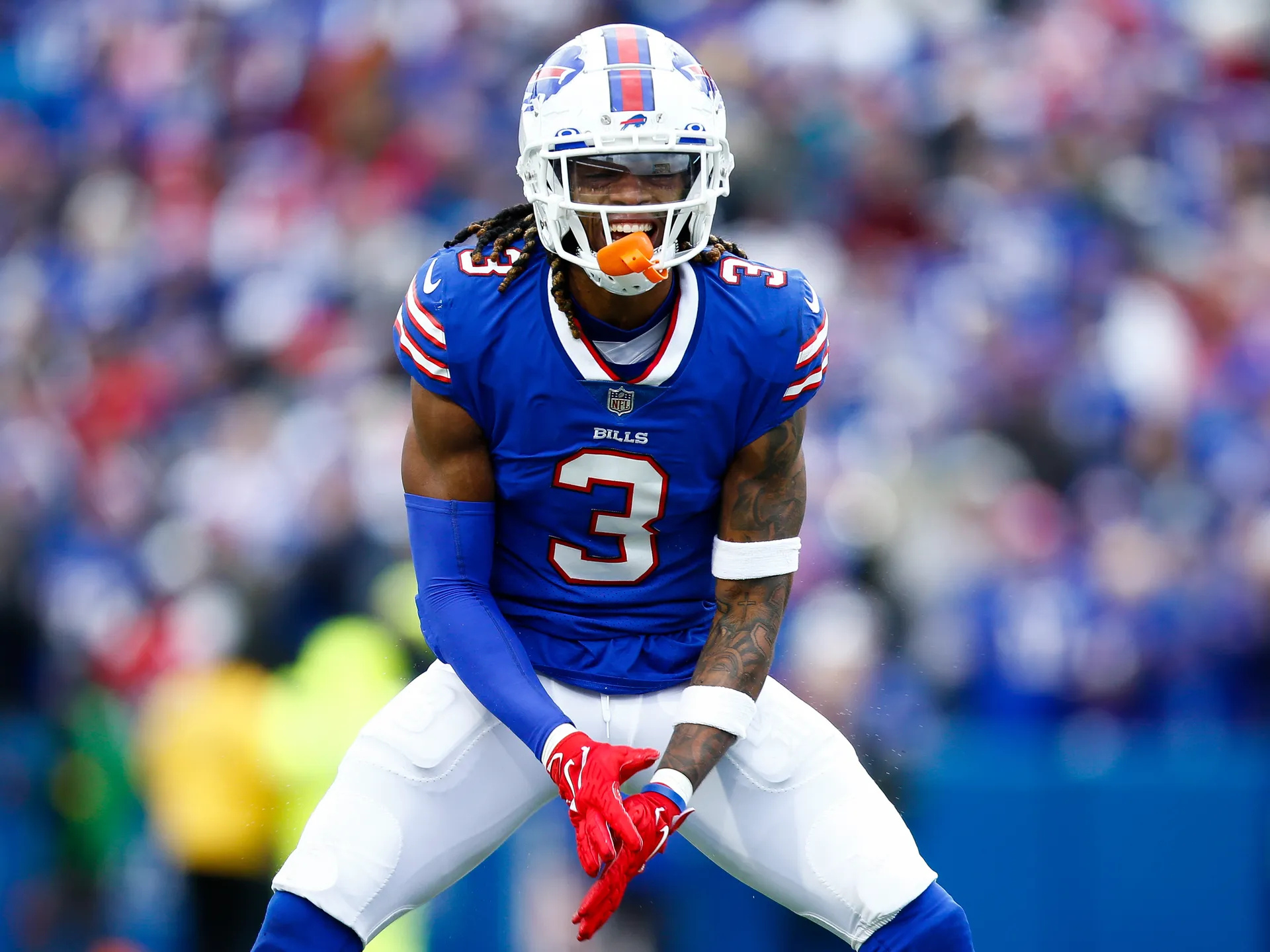
One moment in particular that is deemed “The Scariest Day in NFL History” is when Buffalo Bills Safety Damar Hamlin took a shot to the head and chest area while making a tackle.
Just minutes into the game versus the Cincinnati Bengals in the 2023 season, the game was stopped for over an hour upon seeing the safety collapse after standing momentarily. Although postponing the game after time was passed, the talk and circulation of how Hamlin went down still is talked about today.
Even though most chuck it down to be one of the scariest injuries in the NFL, the situation also brought light to topics like commotio cordis, a sudden cardiac condition where the heart stops after a sudden, blunt impact to the chest. It also brought up conversation of how people like athletic trainers and medical staff are vital.
Even after two years has passed since his injury, in January of this year Hamlin spent time with the teams athletic staff and their families at a dinner. This was also a kickstart to Hamlin’s Chasing M’s Foundation and the Buffalo Heroes Scholarship to help high school and college bound students who hope to attend a higher education in the area.
So while capturing an athlete in their most vulnerable moments like when they are hit with a sudden injury, care and thought should go into how it is broadcasted and presented.

Leave a Reply