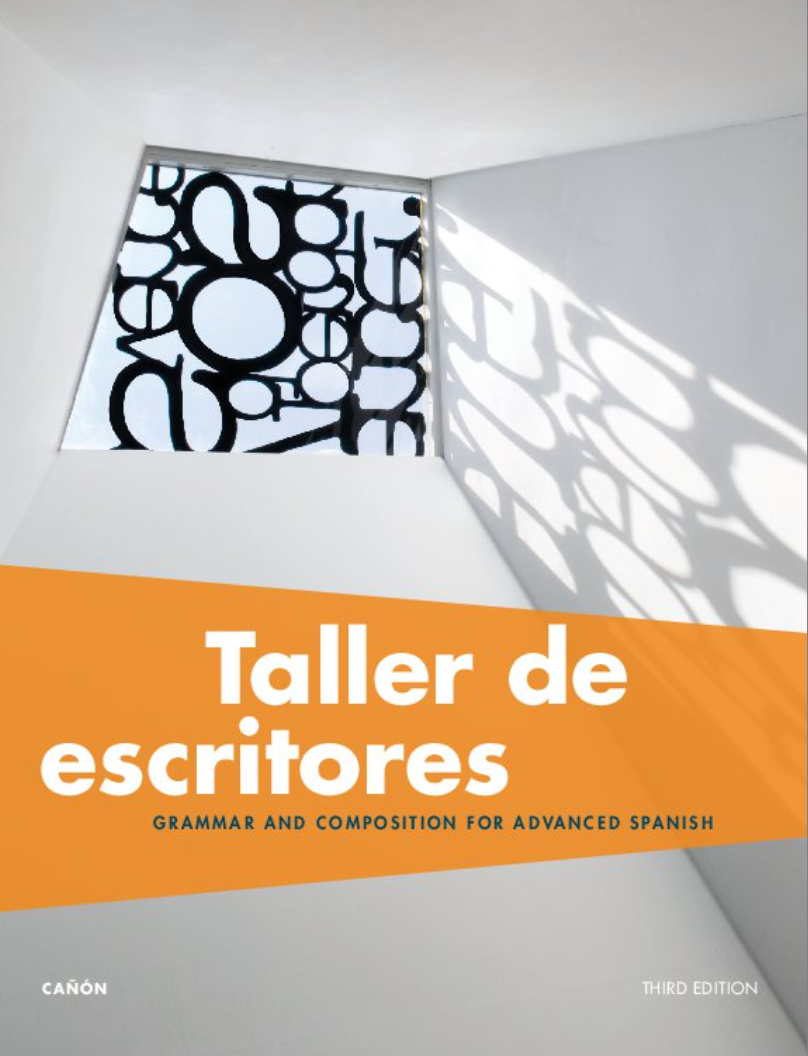
I took SPAN 312W to fulfill the language requirement for the International Studies PhD program. This course was primarily focused on reading comprehension and technical writing skills in the Spanish language. It covered many aspects of writing styles from editorial to persuasive language and it also included advanced lessons in Spanish grammar.
When I began this class, I started with a solid foundation in writing styles in the English language. It was a new challenge to take this existing knowledge and see it through the lens of the Spanish language. While the writing styles themselves were ultimately the same, there were subtle differences. Most importantly, Spanish writing relies heavily on sensory language and the use of metaphors. Learning to include these in all manner of writing styles was an interesting and fun challenge.
Compositions
During the semester we completed several compositions to practice the vocabulary, grammar and writing styles learned over the course of the class. These compositions grew increasingly complex over time. My first composition was fairly short consisting of only one page.
TStone-Composicion-Taller-1A^J-FinalBy the final composition, the length of the writing had tripled and the vocabulary was much more advanced. Furthermore, by the end, the use of essential written concepts such as metaphor and simile had become effortless to integrate into the writing. In addition to this, multiple purposes of writing had been explored ranging from editorial to argumentative and more.
Stone-Talor-4B-DraftThe changes visible in these writing samples demonstrate growth particularly in the use of the subjunctive verb tense. By the end of the course I struggled much less with planning, drafting and writing in the Spanish language.
Reading Comprehension
In addition to writing numerous compositions over the course of the semester, we also read several essays which exemplified the writing styles which we learned about throughout the course.
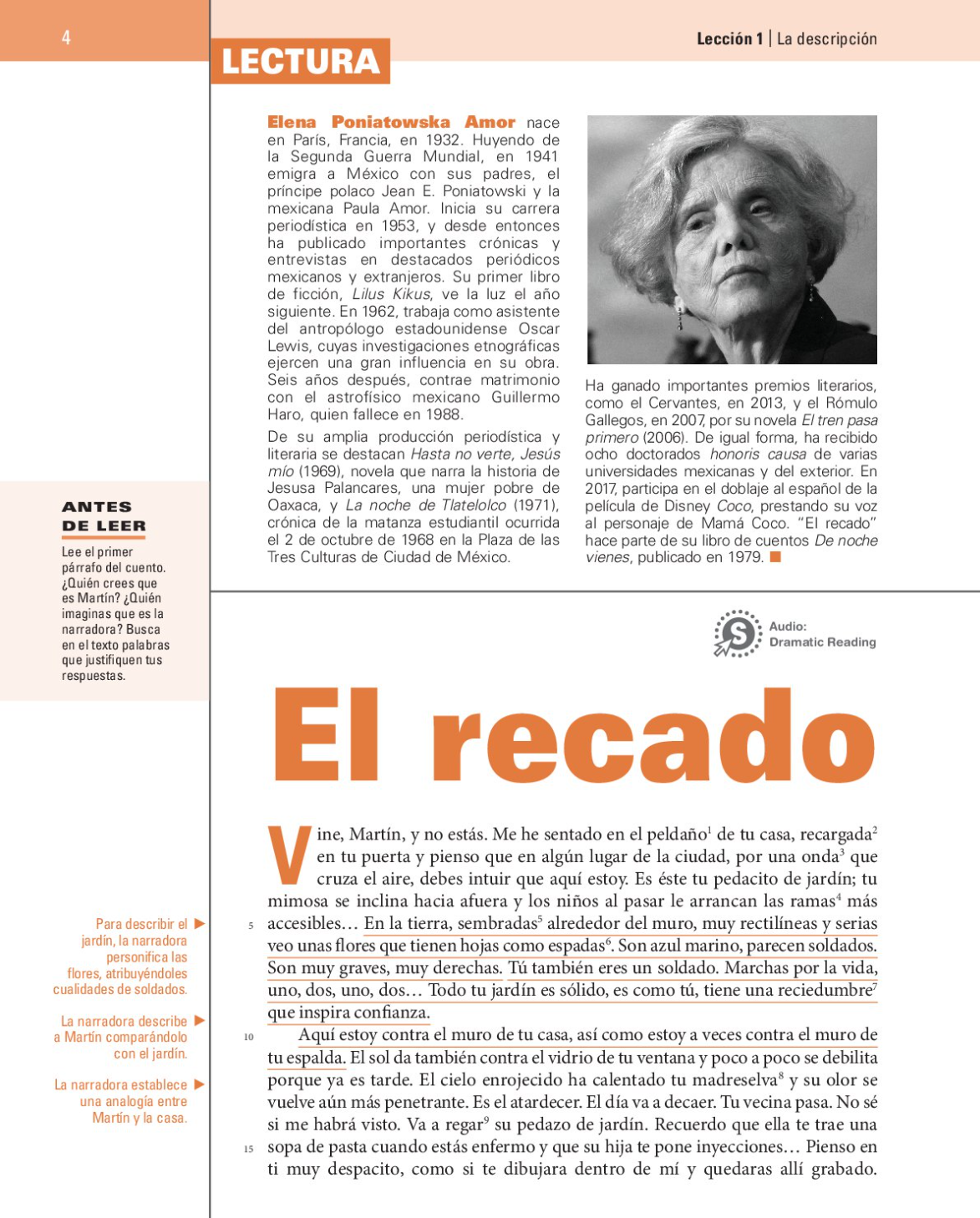
In particular, I found the first essay “El Recado” to be an excellent introduction to the importance of metaphor and visual phrasing within the Spanish language and culture. It was descriptive and poignant and it challenged my vocabulary and comprehension skills.
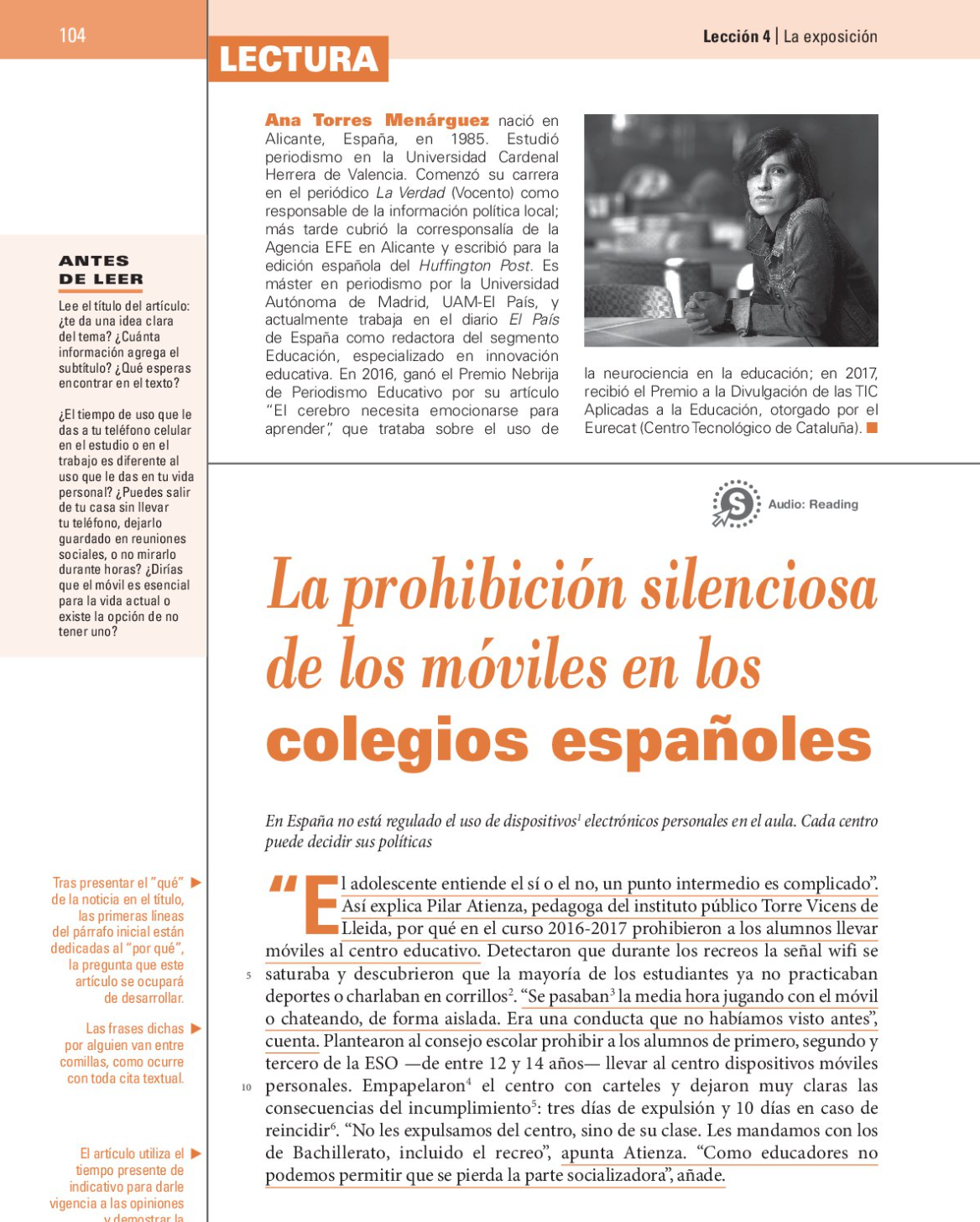
In contrast, learning how to write an exposition which relies of fact-based text is especially useful in academia. The essay “La Prohibicion Silenciosa de los Moviles en los Colegios Espanoles” was a good example of this technical writing style. This topic is popular in the U.S. as well, so it made for an especially relevant exercise to read and respond to.
Discussion
In both of the above reading examples (along with the others), the discussion questions helped to ensure the theme was fully understood. The group discussions based on this reading comprehension were also helpful since it allowed me to see the various ways in which different students interpreted the text. In some cases, this challenged my own interpretation while in others it reaffirmed it.
Working through these discussion questions as a team was challenging because it forced us to speak Spanish with each other. Sometimes we all struggled, but we were able to overcome the language challenges by helping each other find the right words and steering the conversation along using the pre-planned questions as a guide.
Chapter Tests
To measure what we learned during the semester, there were several chapter tests which included a significant written portion. I feel that these were good ways to determine what was learned over the course of the semester and the amount of time given to complete these tests was appropriate.
In all of these tests, my scores were consistent with my overall class performance which leads me to believe they were fair and accurately represented what was learned during the course.