Interpretive, Interpersonal, and Presentational Modes of Communication
Address the reflection exercises in each of the following sections. For each section, you will need to embed portions of these assignments and activities as artifacts to substantiate your reflection. Then, at the end of each section, include a link to the document or embed it as a PDF.
Tutorials are available:
- Embedding a PDF
- Embedding Media (Images, Audio)
- Embedding a Video
An Effective Reflection Is
- Written in English.
- A demonstration, explanation, comparison of skill and growth described through what you learned and the challenges you had in that learning while highlighting your best work.
- A discussion of how you overcame any weakness or obstacles. Explain what you mean.
- Supported by evidence as represented by your artifacts (course materials, photographs, video, conversations, projects, news reports, authentic materials, etc.).
- Specific, addressing particular strengths, weakness, skills, transformative experiences, etc., avoiding vague generalizations (ex: “I learned a lot.”).
An Effective Reflection is not
- Only sharing an artifact without context or discussion.
- Only a description or explanation of an artifact. Focus on your learning and growth as a result of having completed that experience.
- An attempt to justify your work to an instructor. Instead, think more broadly about future audiences that might benefit from seeing evidence of your work and the skills you are developing.
Artifacts
A good artifact is a portion or clip of an assignment. It needs to be carefully selected to provide evidence/proof that supports what you are saying in your reflection.
Your reflection will help you determine what that will be. It is a quest for quality. It will represent you academically and professionally, and have personal meaning. It can be written, audio, or video.
At the end, ask yourself if the artifacts best demonstrates your abilities and growth over time.
At the end of your reflection in each section, link or embed the assignment/artifact. If the assignment has multiple pages and seems to overwhelm the section, consider adding just the first page and offering to provide the rest upon request.
Instructions
Exploring Culture
What I learned in Exploring Spanish is many people take naps in the Spanish-speaking world compared to Latin America. This informed me that everyone around the world at least takes a two-hour nap a day. I also understand that Spanish-speaking people take more naps than Americans and they nap during the evening. Everyone can have different time frames when they nap during the day.
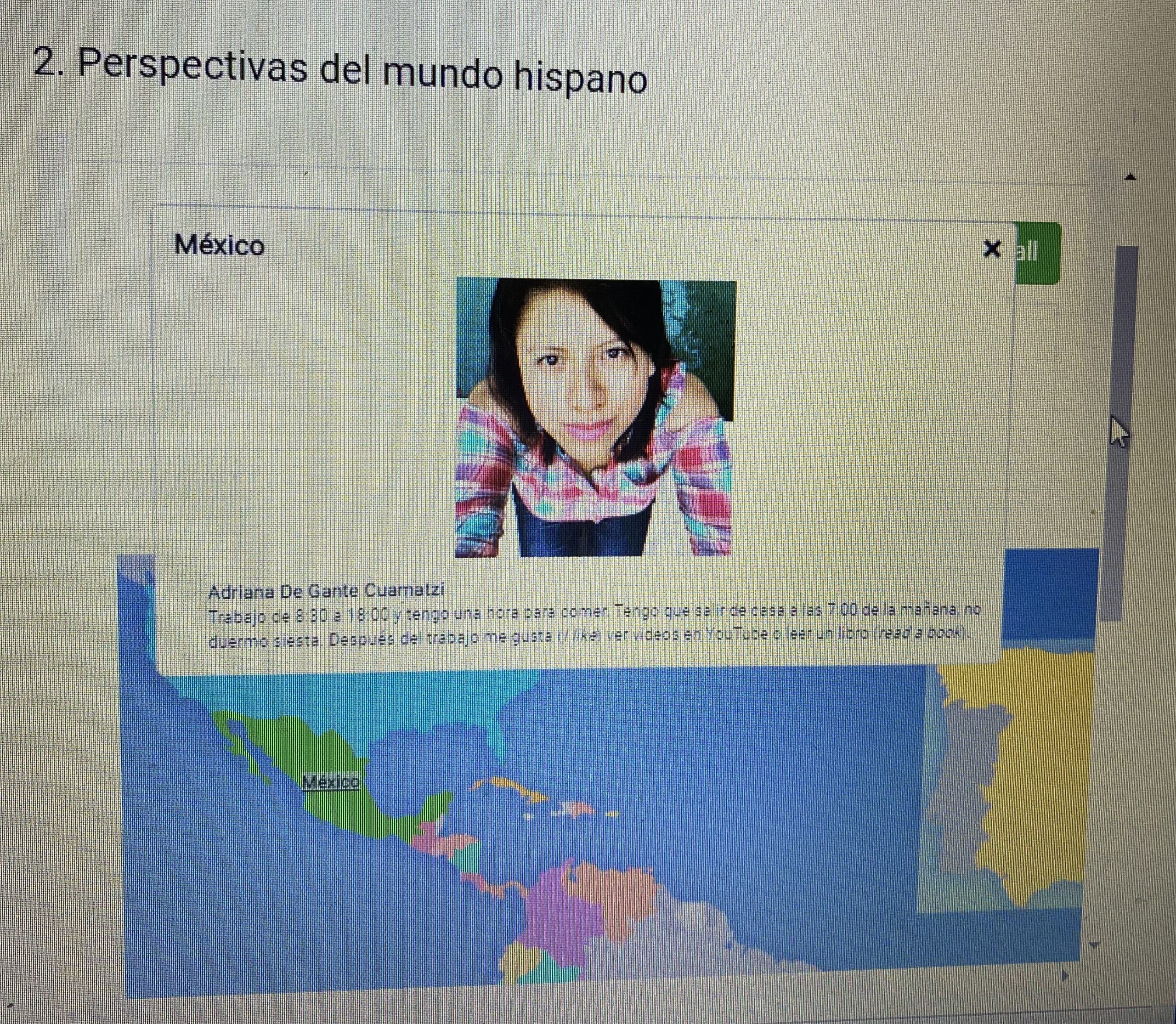
The Spanish culture tends to nap mostly during the day while Americans nap after working. The products and practices changed my overview because I didn’t know over half of the population of Spanish culture takes naps during the day. The perspectives revealed intensity about how Spanish and Latin American vary their nap schedule. At first, I thought not many people took naps during the day but now I overlook the population and the changes that take place in the everyday life today. For example; some people like to work some don’t, some people enjoy spending money as others may not.
Engaging in Communities
During the month of March, we celebrated the Spanish culture with food, drinks, and artwork.
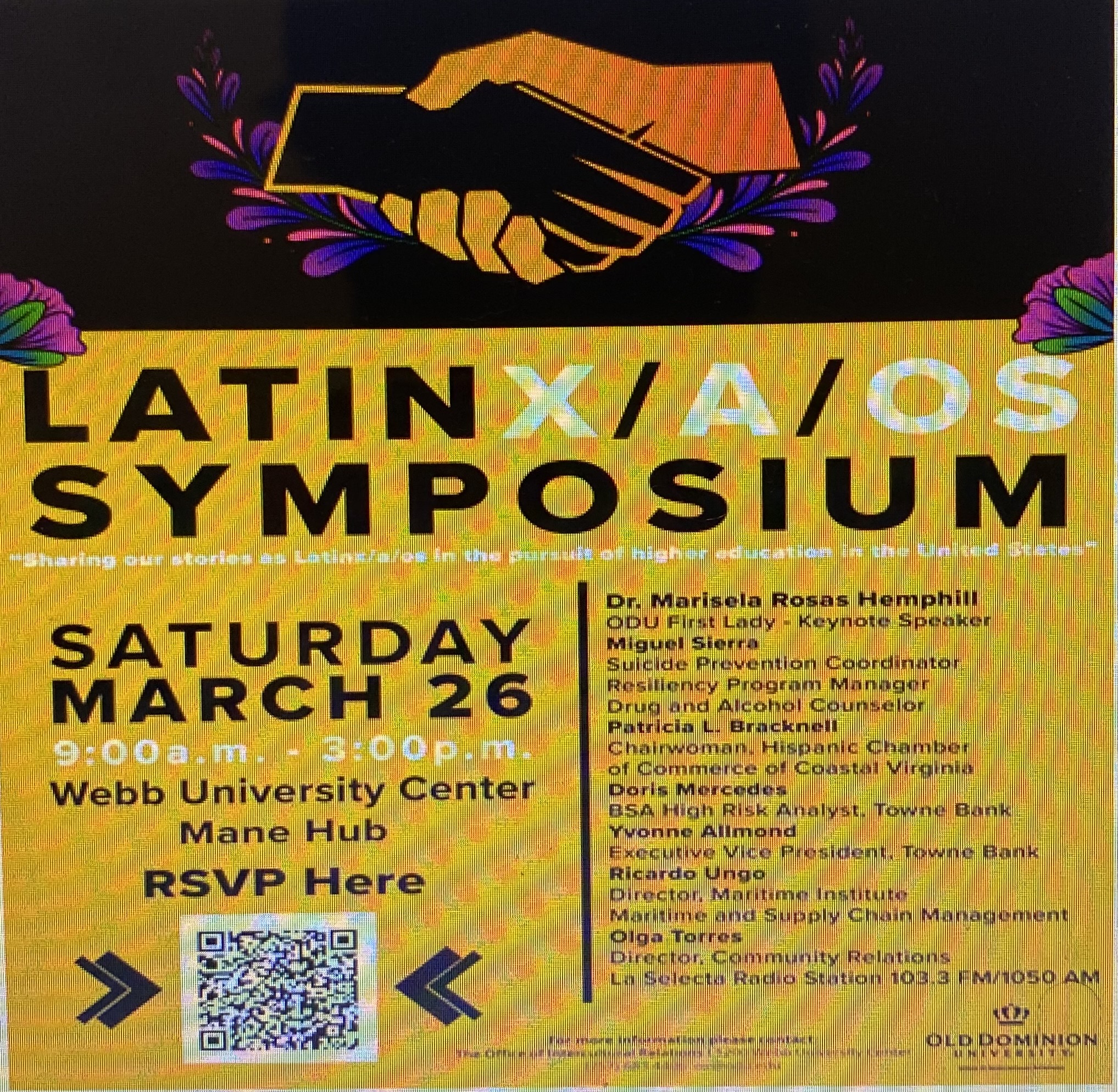
While attending this event we learn to communicate in Spanish speaking words and interact with others. Everyone enjoys the tacos, music, and games. The main idea of this event is to get to know everyone and to be happy with one another. The community shows a reflection on how we appreciate the international student experience. This can help everyone experience a different viewpoint in the Spanish-speaking culture.
Interpersonal Communication
During the semester we learned how to communicate with Spanish-speaking people. We also learned how to pronounce our class schedule in Spanish and describe how is the university like. Learning how to describe the campus and its surrounding was a big challenge for me. The Spanish interviews had students under pressure but it helped us learn the languages more.
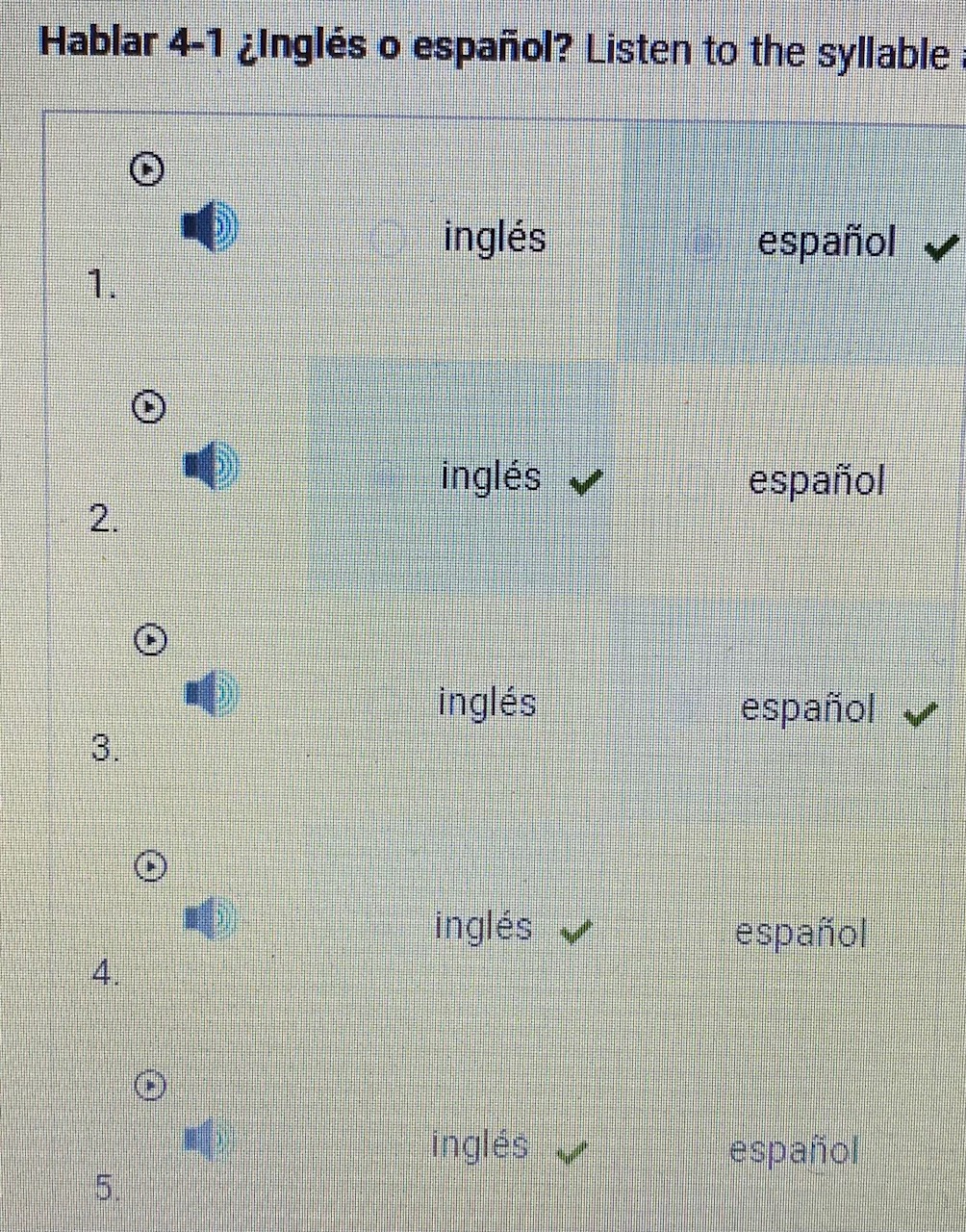
The TalkAbroad showed me how to learn Spanish in different ways and steps. I also, learned that Spanish is not easy to learn it takes practice and is time-consuming. Lingrolearning helped me prepare for the final projects and interviews. I’ve grown in understanding the vocabulary, verbs, and concepts in Spanish. Learning how to congregate and use pronouns and verbs was a challenge and very difficult to master. I learned how to use different forms of adjectives
Presentational Speaking
While attending Spanish 101 we had to tour around campus to explain our favorite places, we also had to communicate with someone who was Spanish. Lastly, we had to record ourselves speaking Spanish on lingrolearning during a conversation. Some activities were in class but most were to be completed outside of class.
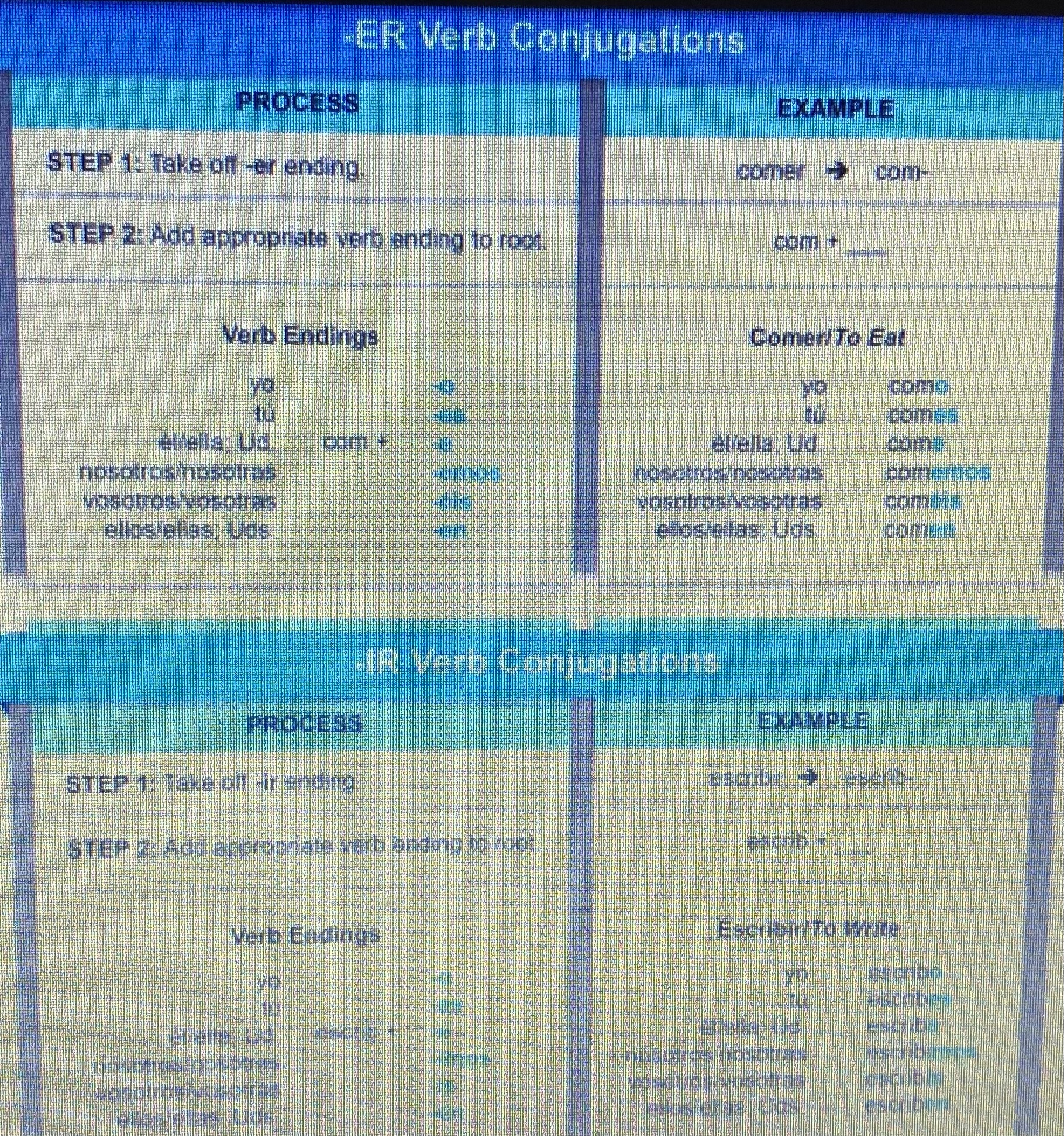
Unit 1 was learning keywords and phrases that are very important in the Spanish-speaking world. Unit 2 was explaining the basics of vocabulary words; Preparar, Aplicar, and introduction with text messages. Unit 3 was a reflection of grammar as well as pronouns. Unit 4 we began, to congregate verbs and pronouns which was the hardest part for me to understand. We were moving at a fast pace but it showed me I could interpret Spanish in a different way. Lastly, Unit 5 which was being interviewed by the professor and learning how to fully understand the material. This was the most challenging unit because I had to learn all the steps from units 1 through 5 and put them together. I would study the vocabulary and practice quizzes if I had another chance to do it differently. Being under pressure and studying helped me overcome these difficult challenges.
Presentational Writing
I had to write about people from different cultures and had to understand what was there happening that took place in their lives. The activities I completed were researching the famous people from Spanish cultures. Writing about the Spanish and American cultures was interesting because I found information I didn’t know

Understanding the differences between Spanish and Latin American cultures helped me realize how the cultures are very different and formatted. The culture assignments increased my knowledge because the world sees everywhere similar but just overpopulated. This isn’t the case because some cultures believe in different religions as well as work ethics and portray the environment differently. I’ve gotten better at speaking Spanish and knowing how to interact with Spanish people. I can do better by having more conversations with more foreign language people. I don’t know everything about Spanish but I know enough to understand what he or she is asking me.
Interpretive Listening
The interpretive listening I learned was two college students getting to know each other. One of the students wasn’t used to being on campus but, the other student didn’t speak much English. They asked each other what major they were taking, and what classes were they attending.
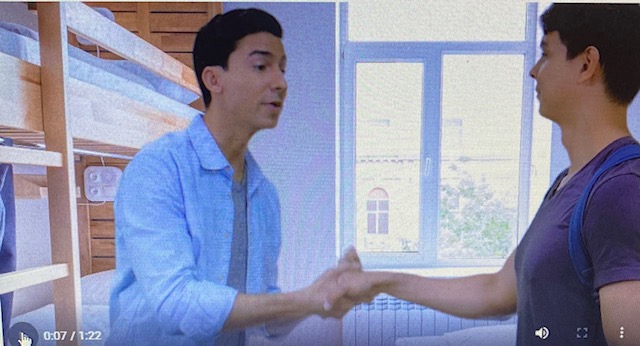
I walked around campus to show my classmates and professor what was my favorite places on campus. The places I chose were the library, cafeteria, and the student center. Pointing out different equipment and viewpoints was very challenging for me. I overcame this process by recording myself multiple times before I started recording. I found having a conversation with someone in Spanish or knowing how to speak Spanish well very interesting and challenging. My takeaway from the listening experience was the Spanish people talking and responding fast and me trying to keep up.
Interpretive Reading
While participating in class I found it very helpful working in class groups as sometimes assignments. This helped me understand the concepts I didn’t know and fix my mistakes. I had difficulties putting together the concepts of Spanish 101 but the more I practiced it the better I became.
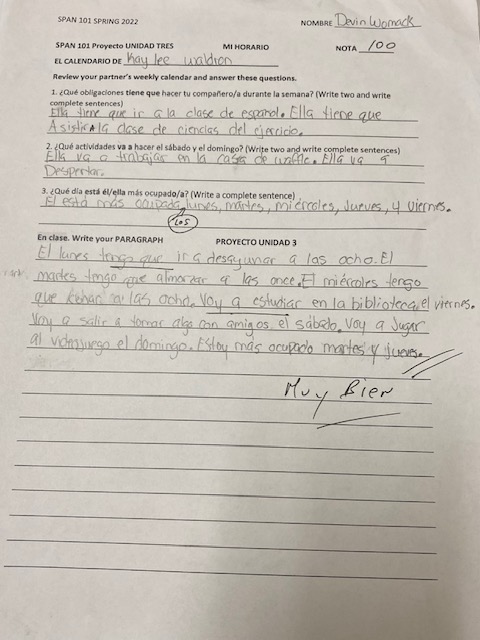
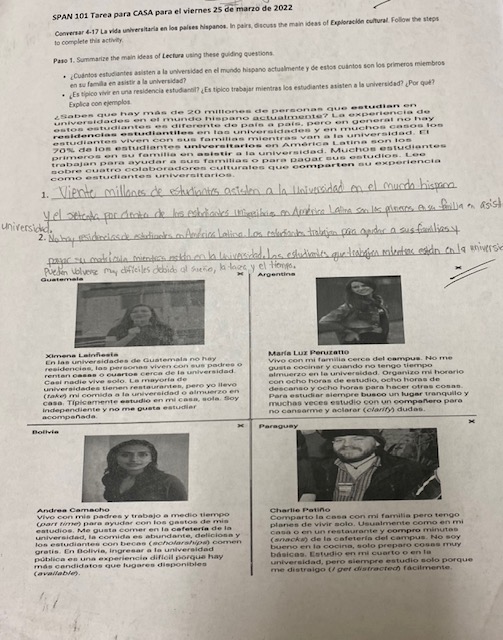
The activities above showed my experience describing personal people and working with one of my classmates to increase my Spanish skills. Researching about the people above and giving every detailed fact about what they do and how they lived was very challenging for me. I overcame the difficult times in Spanish 101 by asking my professor and classmates for help when I needed it. I found having a one-on-one conversation with my professor interviewing me very interesting and fun. My takeaway from the readings was describing the different cultures and universities in the Spanish world. I have grown in the assignments by reading the directions slowly and understanding what is being asked or described.
Website: https://sites.wp.odu.edu/womackspanish101/101-2/ https://sites.wp.odu.edu/womackspanish101/wp-admin/post.php?post=423&action=edit