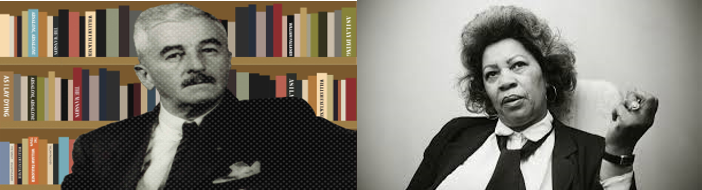
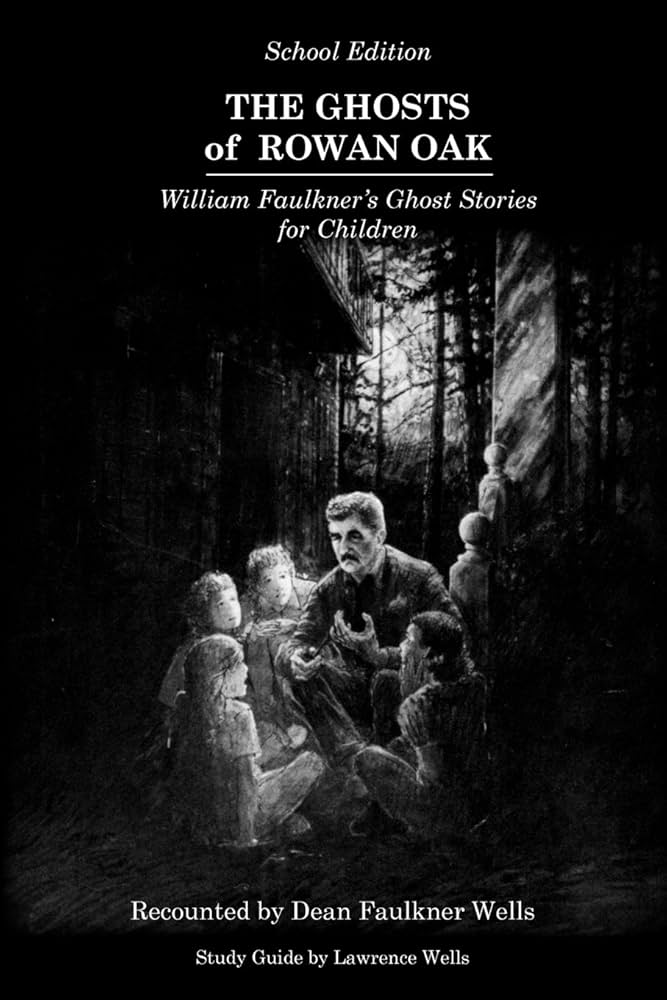
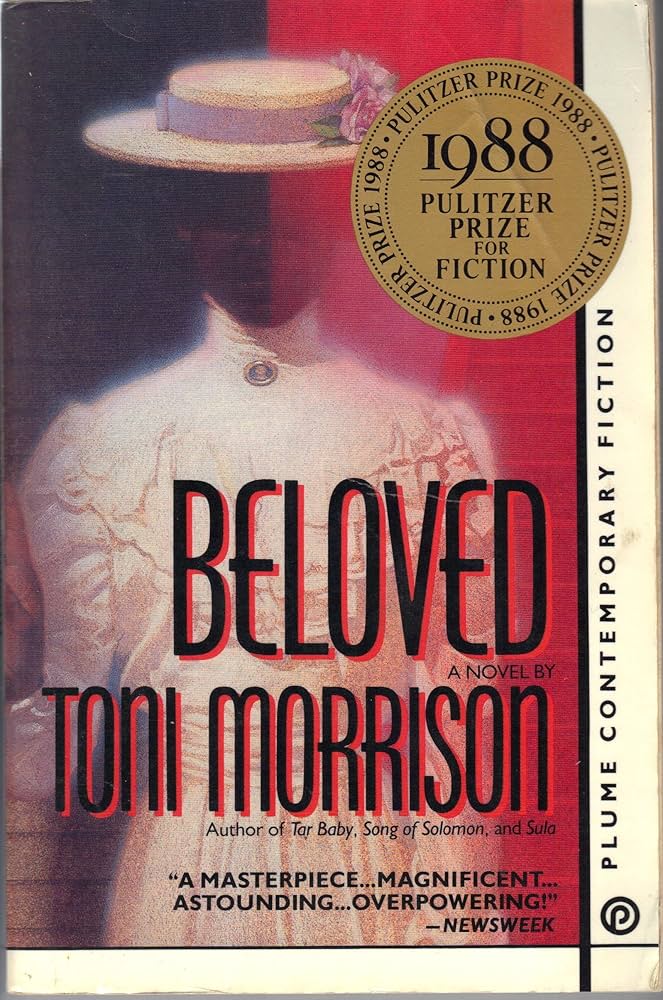
I’ve chosen William Faulkner’s The Ghosts of Rowan Oak and Toni Morrison’s Beloved as my two reading materials, for which I have designed a book club for the Northern Virginia area centered around and appealing to young readers who perhaps are interested in graduating into the exploration of more mature themes, literary styles, and discussions about literature. I chose these two pieces as they are both by two American literary giants who remind me of each other in their respective creative output and their both winning the Nobel Prize in Literature.
Despite the scary or strong content in either work, this book club do its best to be a family-friendly space, but our work will be probably be especially appealing to high-school seniors heading to college, female readers, and/or Southerners of color. By the end of the book club, I’d like to feel that I accomplished something akin to bibliotherapy, that is, the reparation or enhancement of personal relationships or self-esteem through the process of reading, analyzing, and processing feelings about a book alongside someone else in a setting where there is little or no anxiety about being “correct,” judged, or graded.
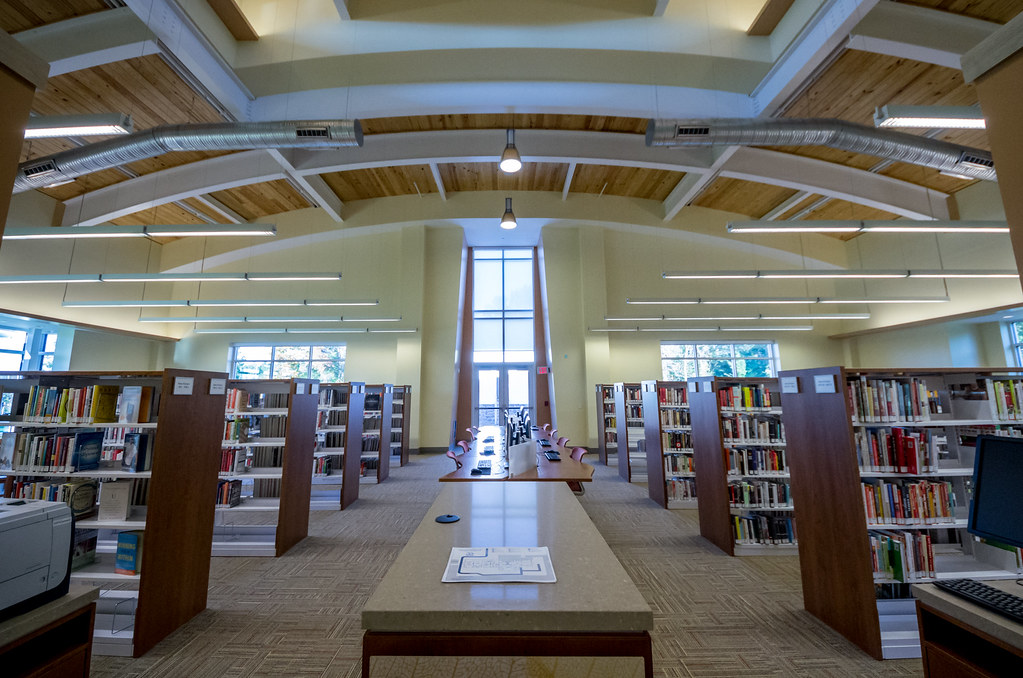
This program will also serve as something as college prep for aspiring English majors, or anyone seeking to enhance their critical thinking, public speaking, or analytical skills. I believe that an attempt to tackle “hard” reads early is better than staying on one’s pre-determined reading level and being perhaps overwhelmed by the responsibility of having to take a English course without the skills necessary to properly enjoy and understand literature, and I think this book club will appeal to more intellectually curious kids interested in being good readers, in being proactive students, and in the sort of extra-curricular activity that will tangibly connect them with like-minded students in their own community. Even if parents force their children to attend, or it becomes something closer to a literature class than a social club, I think the benefits of the meetings will be apparent even to the most reluctant, unconfident participants of which, anyway, there should be few.
The first two weeks of Faulkner I imagine as being the first tier of readings—more focused on developing good reading skills (which, to me, include recognizing and evaluating themes, motifs, symbolism, the style and structure of fiction, etc. that, with a formally interesting and innovative writer like Faulkner will be interesting to explore with young people); with the latter two weeks of Morrison being a more exclusive, in-depth, theoretical, involved process especially focused on developing an understanding of feminism, the Black experience in America, and a more grounded reflection on the text itself and the philosophical questions the book raises in terms of spiritual and bodily autonomy, the expression of love, and in the politics of the family relationship, particularly between mothers and daughters.
We will end our weeks with the young readers with a Halloween-esque costumed Trunk-or-Treat session where participants can dress up in literature inspired by our readings; participants aged 18-21 will be invited to a screening of the 1998 feature film adaptation of Beloved.
I think what makes the difference between a club and a class is the level of comfort the participants in each space feels, and a metric for the success of this program will be in creating a “safe space” where ideas and questions can be expressed in a way that is democratic, open-minded, and judgement-free. While I do not believe a love of reading or an appreciation of literature can be forced, I think they can certainly be enhanced, and this book club as a summer program will be geared not so much towards “correcting” how young people read, than making them feel they belong to a community of readers and that reading is a skill to be developed.