Every Rep Starts with a Muscle Fiber
Each rep you do works on a different type of muscle fiber that varies in their ability to generate speed of contraction, force and resistance to fatigue. A marathon runner and a power lifter can train for years and have completely different physical skills, due to these differences. They also provide insight into why creatine monohydrate is especially important for multiple sprints or activities involving brief, intense bursts of activity. This interactive essay explores the characteristics of type I and type II muscle fibers, the effect of training on muscle function and the current evidence for creatine supplementation.
“A marathon runner and a power lifter can train for years and have completely different physical skills, due to these differences.”
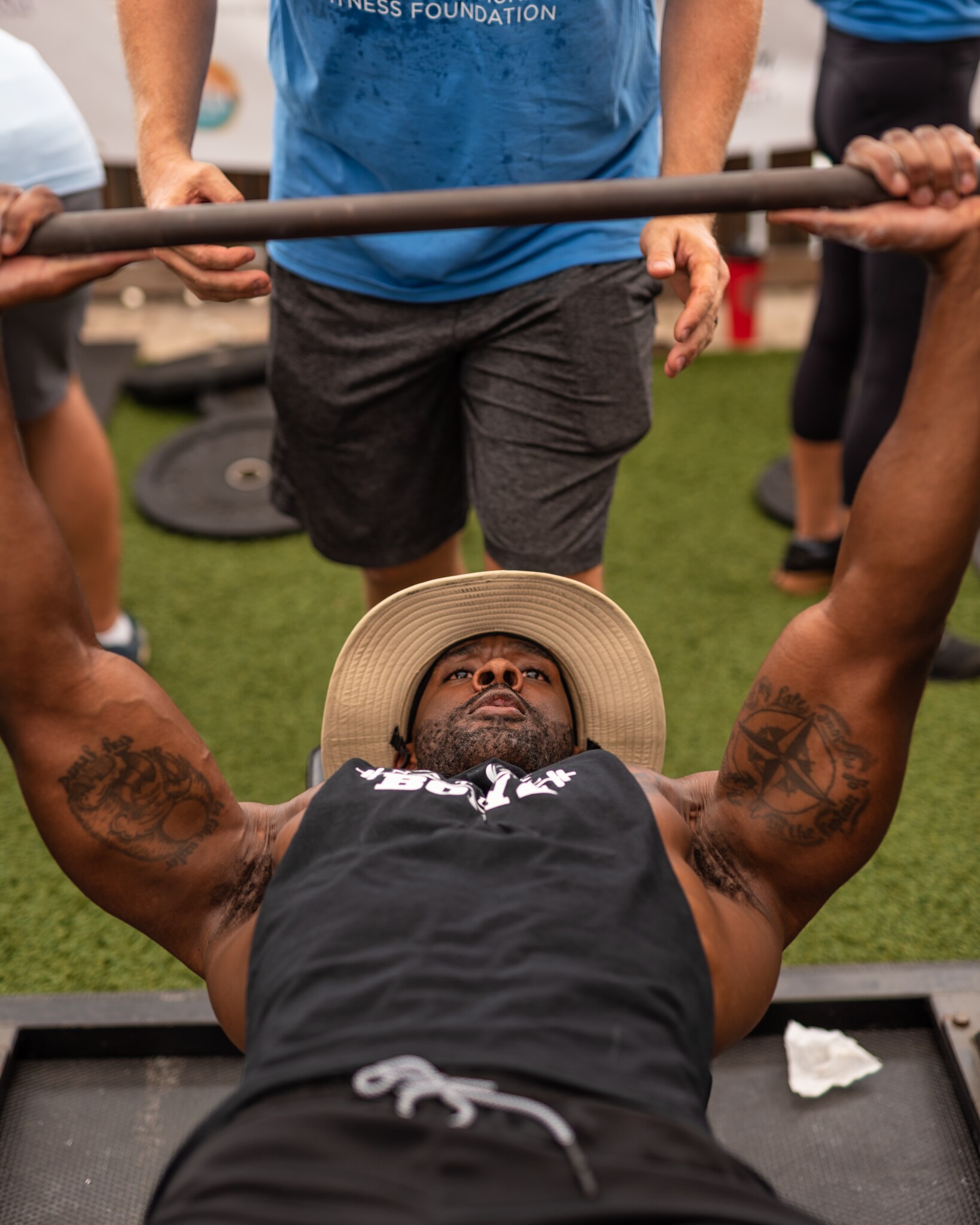
Type I vs. Type II: What Is the Difference?
There are two main types of muscle fibers in skeletal muscle: Type I and Type II. Type I, also known as slow-twitch fibers, contract relatively slowly, but are very resistant to fatigue. They are packed with mitochondria, capillaries and myoglobin which enable them to make effective use of oxygen in extended periods of activity. The properties of Type I fibers are especially significant for activities that require endurance (long-distance running). Their ability to contract over a prolonged period of time makes them ideal for long-term activity, but they are not as strong as fast-twitch fibers.
Type II fibers are different in their performance. Fast twitch fibers are fast to contract, and are capable of exerting high force in the event of sprinting, jumping, or resistance activities. Fatigue sooner than Type I fibers and are especially helpful when the body needs to generate a high amount of force in a short time period. Type II fibers are also called Type IIa fibers and Type IIx fibers, the latter of which are involved in very fast and explosive generation of force. The disparities of these fibers can help to understand the differences in the intensity, duration and recovery needed for various sports.
Fiber Comparison
Type I
- Slow Contraction
- High Fatigue Resistance
- Endurance Oriented
- Strong Aerobic Capacity
Type II
- Rapid Contraction
- High Force Production
- Sprint/Power-Oriented
- Greater Fatigue
Are We Born with Our Muscle-Fiber Type?
Individuals don’t fall into just slow or fast twitch categories. Different people have different muscle fiber types and this is partly genetically determined. In studies with distance runners, correlations have been revealed between muscle fiber composition, enzyme activity and running ability (Foster et al., 1978). The use of the muscle carnosine as a non-invasive index of fiber composition has also shown that there are differences between the athletes with different performance backgrounds (Baguet et al., 2011).
But fiber type is not the only component of athletic performance. Many factors can impact performance, including aerobic capacity, training history, muscle enzyme activity, technique, nutrition, recovery, and motivation. Training also affects the function of muscles. Resistance/Power training involves repeated demands of the muscles to produce force and to contract quickly, whereas Endurance training involves repeated demands of the muscles to maintain activity.
Muscle Fiber Demands & Reliance Across Exercise
Bigger Muscles Do Not Always Mean Greater Power
The other essential factor, besides size, is muscle size, but size alone is not a gage of performance. The study showed that there were significant differences in the characteristics of individuals’ muscle fibers among bodybuilders, power athletes and a control group. Muscle fibres of bodybuilders had a much higher cross-sectional area than in power athletes and controls. In the case of their fibers, however, they showed less specific tension, that is, how much force they could produce per fiber. Moreover, it seems that power athletes had higher peak power with smaller fibers (Meijer et al., 2015).The importance of training objectives is demonstrated in this finding. If someone is training for primary purposes of hypertrophy, he is trying to make the muscle bigger; if he is training for maximal power, he is trying to generate a large amount of force quickly. In both cases both players may get fit and get muscular, but the muscle that they get may differ in response to the training stimulus, intensity, volume, exercise type.
So Where Does Creatine Fit?
Creatine monohydrate is linked with the phosphocreatine energy system. ATP is used in muscle contraction, during short, intense activity, muscles require ATP to be used in quick succession. Phosphocreatine is a source of quick ATP replenishment. Creatine supplementation might thus help with exercises that demand several quick bursts of strength.
This mechanism is one of the reasons creatine researches has focused on resistance training, sprinting, jumping and other high intensity sports and activities but not as a universal endurance supplement. Creatine is not a substitute for exercise. Rather, its potential lies in aiding the energy requirements of training that is already in place.
How Creatine Supports High-Intensity Exercise
What Does the Research Say?
Recent systematic reviews suggest evidence of an improvement of some strength and power gains when using creatine in conjunction with resistance training. There was a significant increase in upper- and lower-body strength with creatine supplementation when combined with resistance training in adults under 50 in a 2024 systematic review and meta-analysis. In a separate systematic review and meta-analysis that analyzed 69 studies and 1,937 participants, results were found with regards to a number of outcomes related to strength and power, including explosive performance, which included resistance exercise.
The results of these findings are not guaranteed for everyone. Effects can vary according to factors such as age, sex, training status, diet, baseline creatine levels, supplementation practices, and the design of the exercise program. This evidence is thus consistent with creatine being a training supplement, not a performance enhancing one.
What About Safety?
Although there’s a significant body of research demonstrating the benefits of creatine use in healthy populations, there is still a need to discuss safety responsibly. Medical situations can vary from those studied in research. Kidney concerns, medical conditions or inquiries about the potential for interaction with medications should be addressed by a qualified healthcare professional prior to supplementation. Creatine should never replace the basics of exercise, nutrition, recovery and ongoing training.
Video Explaining Type I & Type II Fibers
To see a video from Khan Academy on how muscle fiber types differ, what this video on Type I & Type II muscle fibers covering color, contraction speed, and metabolic differences.
Khan Academy, (Sep 18, 2013). Type 1 and type 2 muscle fibers [Video]. YouTube. https://www.youtube.com/watch?v=l5yMz2lFgx0
Test Your Muscle Knowledge
Test your understanding and knowledge with this short quiz
1. Which fiber type is generally more fatigue resistant?
A. Type I B. Type IIx C. Both equally D. Neither
Answer: A. Type I
Type I fibers are packed with mitochondria and rely on oxygen, allowing them to sustain activity far longer before fatiguing.
2. Which activity places particularly high demands on rapid force production?
A. Long-distance walking B. Sprinting C. Low-intensity cycling D. Yoga
Answer: B. Sprinting
Sprinting demands an explosive, rapid burst of force, relying heavily on Type II fibers and the phosphocreatine energy system.
3. What does phosphocreatine help regenerate rapidly during intense exercise?
A. Oxygen B. ATP C. Protein D. Glycogen
Answer: B. ATP
Phosphocreatine donates a phosphate group to rapidly regenerate ATP, the molecule muscles use directly for contraction.
4. Does creatine replace resistance training?
A. Yes, completely B. No, it supports training already in place C. Only for endurance athletes D. Only for beginners
Answer: B. No, it supports training already in place
Creatine amplifies the effects of an existing training program rather than acting as a standalone performance enhancer.
Click each question to reveal the answer and explanation.
The Takeaway
Muscle fibers offer a good context for understanding the various adaptations that occur depending on the type of exercise. Type I fibers are excellently adapted for sustained activity, and type II fibers make a significant contribution to the production of rapid force and power. While training can have an impact on muscle performance and adaptation, it is not the only factor, as genetics, exercise history, recovery, and other physiological factors also play a role. Creatine monohydrate can be used to aid in recovery from repeated intensity exercises and can enhance strength and power if paired with the proper exercise.
References
Baguet, A., Everaert, I., Hespel, P., Petrovic, M., Achten, E., & Derave, W. (2011). A new method for non-invasive estimation of human muscle fiber type composition. PLoS One, 6(7), e21956. https://journals.plos.org/plosone/article/file?id=10.1371/journal.pone.0021956&type=printable
Foster, C., Costill, D. L., Daniels, J. T., & Fink, W. J. (1978). Skeletal muscle enzyme activity, fiber composition and O2 max in relation to distance running performance. European journal of applied physiology and occupational physiology, 39(2), 73-80. https://www.researchgate.net/profile/Carl-Foster-2/publication/256134158_Skeletal_muscle_enzyme_activity_fiber_composition_and_VO2_max_in_relation_to_distance_running_performance/links/56f58baa08ae7c1fda2ee8fc/Skeletal-muscle-enzyme-activity-fiber-composition-and-VO2-max-in-relation-to-distance-running-performance.pdf
Kazeminasab, F., Kerchi, A. B., Sharafifard, F., Zarreh, M., Forbes, S. C., Camera, D. M., … & Dutheil, F. (2025). The effects of creatine supplementation on Upper-and lower-body strength and power: a systematic review and meta-analysis. Nutrients, 17(17), 2748. https://www.mdpi.com/2072-6643/17/17/2748
Khan Academy, (Sep 18, 2013). Type 1 and type 2 muscle fibers [Video]. YouTube. https://www.youtube.com/watch?v=l5yMz2lFgx0
Meijer, J. P., Jaspers, R. T., Rittweger, J., Seynnes, O. R., Kamandulis, S., Brazaitis, M., … & Degens, H. (2015). Single muscle fibre contractile properties differ between body‐builders, power athletes and control subjects. Experimental physiology, 100(11), 1331-1341. https://physoc.onlinelibrary.wiley.com/doi/abs/10.1113/EP085267
Wang, Z., Qiu, B., Li, R., Han, Y., Petersen, C., Liu, S., … & Del Coso, J. (2024). Effects of creatine supplementation and resistance training on muscle strength gains in adults< 50 years of age: a systematic review and meta-analysis. Nutrients, 16(21), 3665. https://www.mdpi.com/2072-6643/16/21/3665