Skill 1: Technical Problem Solving
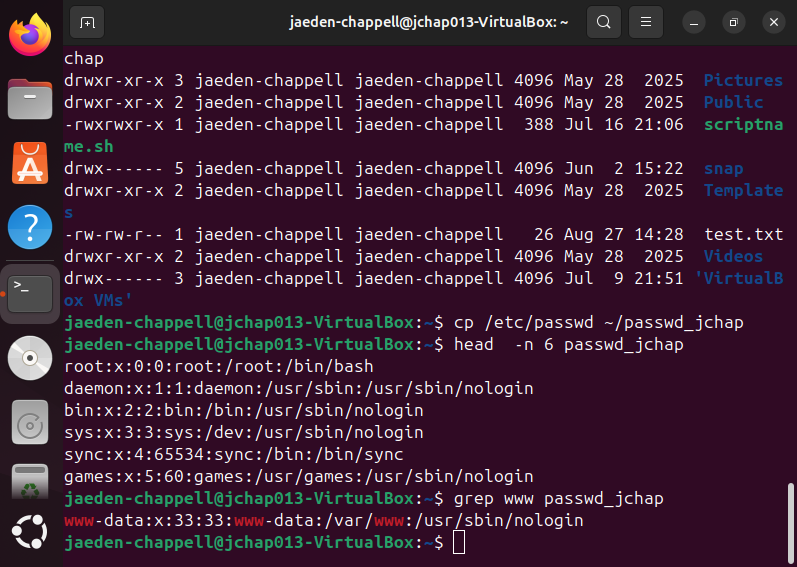
This artifact features a screenshot from one of my VirtualBox system configuration assignments completed in my Linux Systems for Cybersecurity course. The task required me to create and manage virtual machines, allocate system resources, configure storage controllers, attach new virtual disks, and resolve issues that occurred during setup. Working in a virtualized environment helped strengthen my understanding of operating system installation, disk management, and hardware emulation.
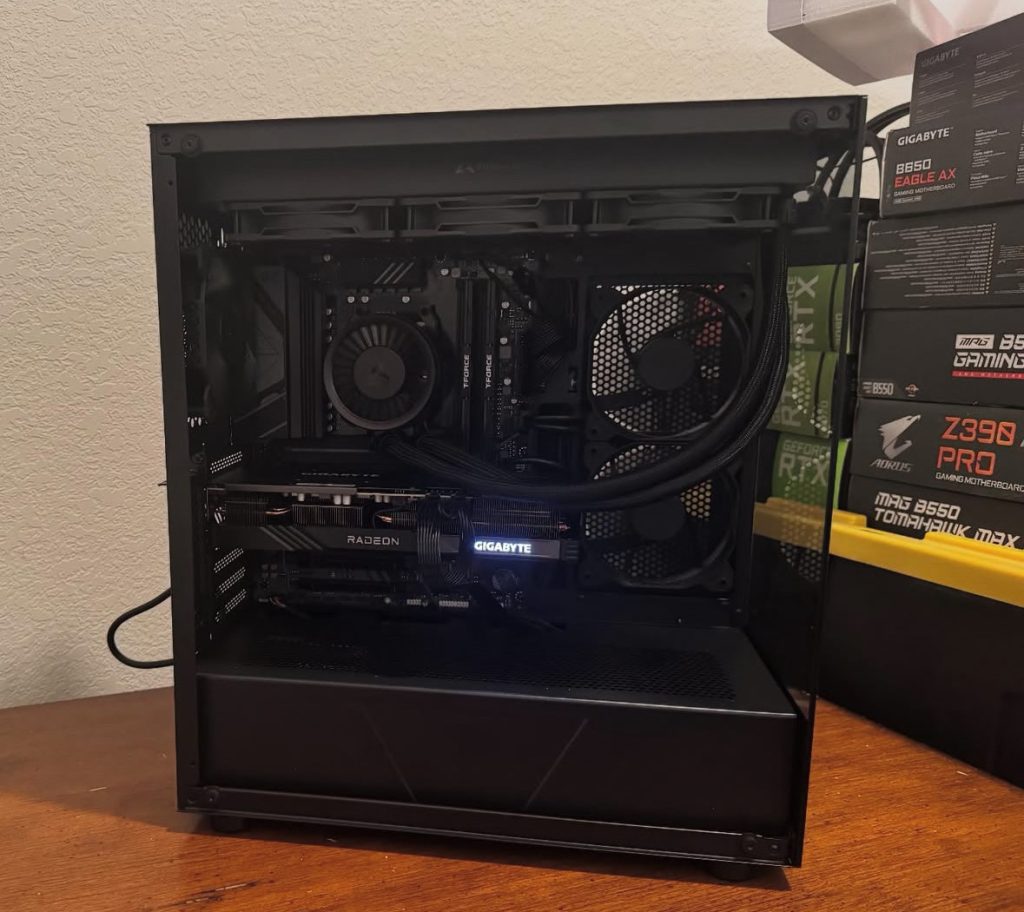
This artifact showcases a complete custom PC build that I planned, assembled, and tested from start to finish. The project demonstrates my technical problem-solving skills, hardware knowledge, and ability to configure a system based on user requirements. For this build, I selected each component according to performance needs, gaming requirements, system compatibility, and budget constraints. The final system included the following parts:
CPU: AMD Ryzen 5 7600
Motherboard: Gigabyte B650 Eagle AX
RAM: T-Force 32 GB (2×16 GB) 6000 MHz DDR5
GPU: Gigabyte Radeon RX 7600 XT
SSD: Crucial P3 Plus 2 TB NVMe
CPU Cooler: ARCTIC Liquid Freezer III Pro 360 AIO
Case: MUSETEX K2
PSU: MSI MAG A650GL 650W 80+ Gold
Operating System: Windows 11
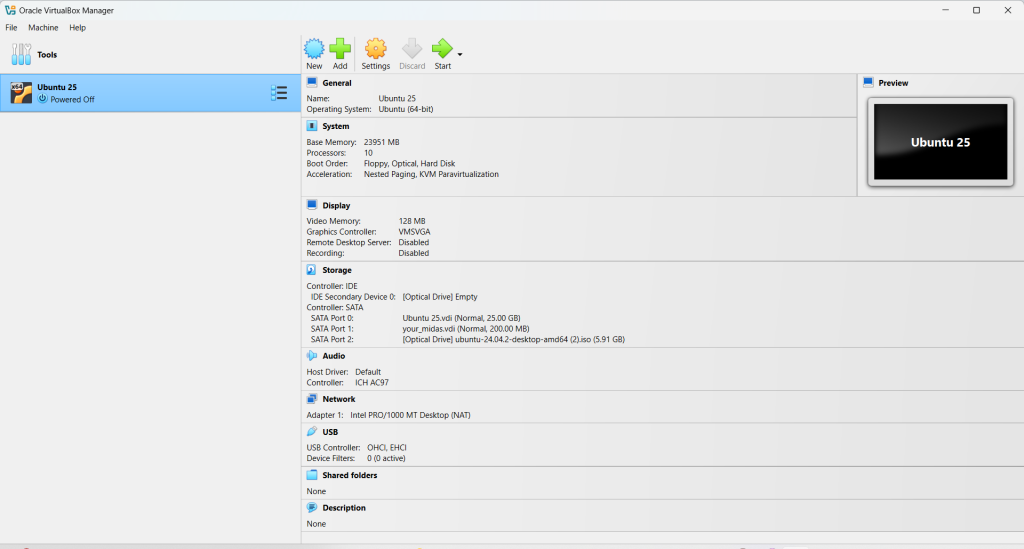
This artifact shows the setup of an Ubuntu virtual machine I configured in VirtualBox. I allocated system resources, attached virtual disks, selected controllers, and prepared the VM for installation. This required troubleshooting boot order issues and ensuring the storage devices were recognized correctly.
This configuration demonstrates my technical problem-solving skills and my ability to work with virtualization tools commonly used in cybersecurity labs and environments.
Skill 2: Analytical Thinking
This artifact is a search warrant affidavit I created for a simulated federal cybercrime investigation. In this assignment, I analyzed evidence related to an online fraud scheme involving the website “GetCashFast.com,” evaluated IP logs, reviewed surveillance details, and connected all available information to the legal standards required for probable cause. The affidavit demonstrates my ability to break down complex digital evidence, identify patterns of criminal activity, and communicate findings in a structured and logical format.
This artifact is an analytical paper examining how Best Buy uses project management principles to design and deploy computer networks for new store locations. In this assignment, I evaluated the steps involved in coordinating hardware installation, system configuration, budgeting, and team collaboration across IT engineers, project managers, and security personnel. The paper required me to analyze how network infrastructure supports retail operations, contributes to organizational efficiency, and impacts both employees and customers.
| RIVERSTONE POLICE DIGITAL FORENSICS LAB |
|---|
| [Secure Keycard Entry Door] |
| ————————————————————————- |
| ADMIN / INTAKE AREA |
| – Intake desk for logging evidence |
| – Evidence submission lockbox |
| ————————————————————————- |
| FORENSIC EXAMINATION ZONE |
| ————————————————————————- |
| [Analysis Station 1] [Analysis Station 2] |
| – High-end examiner PC – High-end examiner PC |
| – Dual monitors – Dual monitors |
| – Write blockers – Write blockers |
| ————————————————————————- |
| Imaging & Processing Bench |
| – Tableau TX1 Imager |
| – Multi-interface write blockers |
| ————————————————————————- |
| EVIDENCE STORAGE & SERVER ZONE |
| ————————————————————————- |
| [Secure Evidence Room – 20 Case Capacity] |
| – Locked cabinets w/ tamper seals |
| – Environmental monitoring |
| – Chain of custody logs |
| [Server Rack Area] |
| – NAS storage (20+ TB) |
| – Case management server |
| – Isolated forensic VLAN |
| – UPS battery backup |
| ————————————————————————- |
Skill 3: Research & Information Literacy
This artifact is an analytical assignment in which I examined a scholarly article titled “The Role of National Cybersecurity Strategies on the Improvement of Cybersecurity Education.” The task required me to evaluate the article’s findings, identify the actors involved, explain contributing factors, discuss impacts, and propose solutions based on the evidence presented. Through this assignment, I analyzed how national cybersecurity strategies influence education systems, workforce development, curriculum design, and national security outcomes.
This artifact is a formal research paper examining cybersecurity vulnerabilities in autonomous vehicles and proposing technical remedies to strengthen safety, communication protocols, and system resilience. In this assignment, I synthesized academic sources, evaluated real case studies, and organized complex technical information into a clear, structured, and professionally formatted IEEE-style paper. The work required strong communication skills, including clarity, organization, citation management, and the ability to explain advanced cybersecurity concepts to a broad academic audience
This artifact is a presentation I created for English 211C that demonstrates my ability to communicate complex ideas clearly and effectively to an academic audience. The presentation explains how rhetorical awareness shaped my research and writing process in cybersecurity-related coursework. It highlights three key areas of communication: identifying persuasive language in literature, addressing complexity concerns in case studies, and analyzing communication themes in job descriptions and research findings.