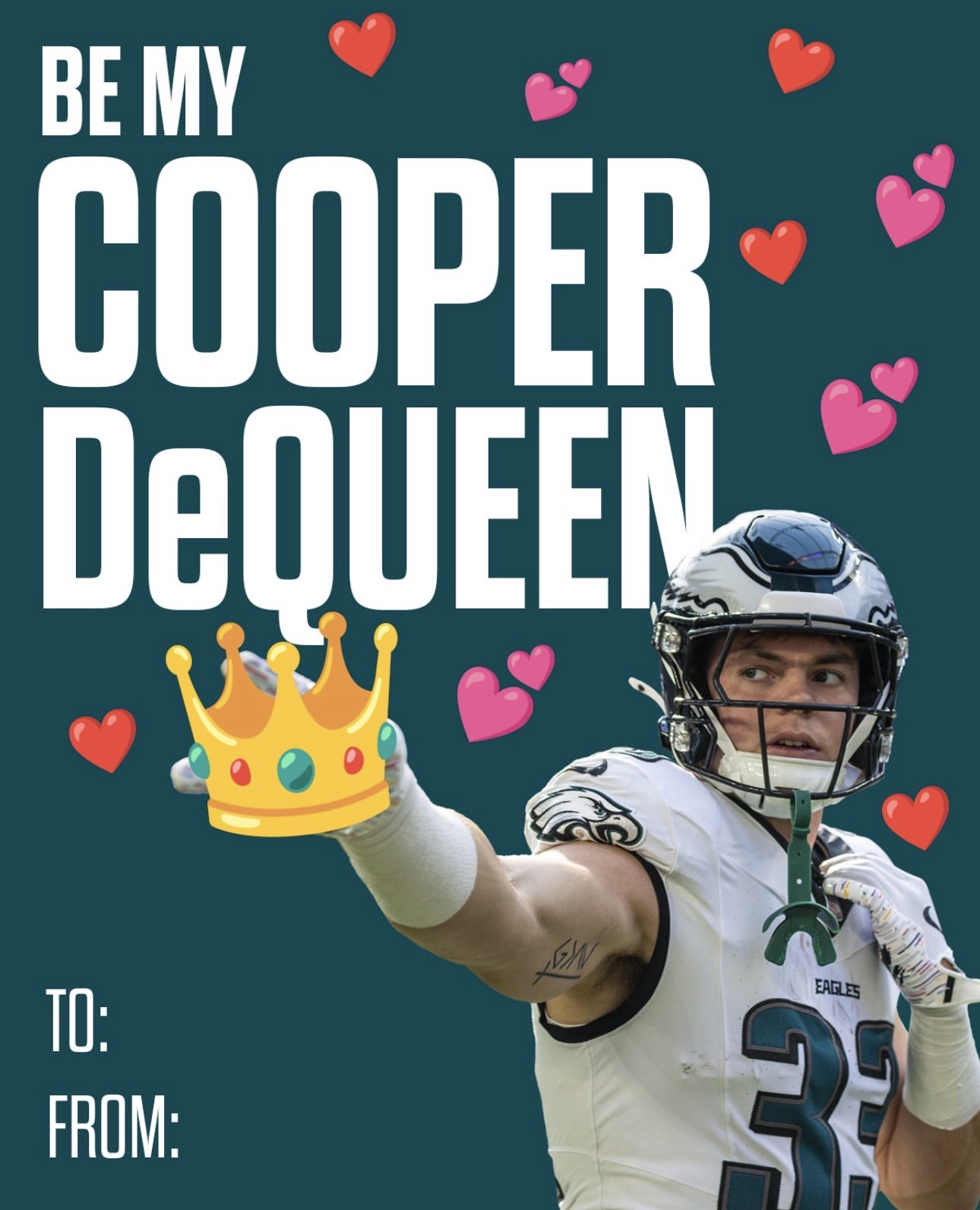
If I had to describe my sports media diet, I would say that there’s a mix of loyalty and algorithm influence. I usually follow the NFL, specifically the Philadelphia Eagles and wrestling. Football is what I sit down and watch fully, whereas, wrestling is more of a personal level for me because I helped manage a team in high school. That experience has changed how I feel about sports. I’m not just a viewer. I’m someone who sees participation. Between the weight cuts, the discipline it takes, and the work behind everything.
Five years ago, my sports consumption was very different. I mainly watched live games on TV or recordings. Game day usually meant sitting down and watching the game from start to finish. Usually if I miss something, I’m able to replay it later because it’s always being recorded. I never really used social media to get sport information because I watched it firsthand. So I just used it for the memes and playback videos to make me laugh after the fact.
Now my sports media diet is a bit all over the place. I prefer to watch the full game and I don’t miss Eagles games. But I do rely heavily on Instagram, TikTok, and YouTube for updates. Highlights usually help me if I see something online and I think that I might’ve missed it. Social media has made sports feel more consistent even when there isn’t a game happening there’s still tons of commentary, debates, edits, and memes that circulate 24/7.
Looking ahead of time in the next five years, I think sport consumption will be even more digital and personalized. I think fewer people will rely on regular broadcasting and stream the games more and watch them in shorter forms if they don’t have time. I believe algorithms will probably control what we see the most in shape how we view other teams, our teams, and their players. I also think athletes will continue to build their brand by letting fans connect directly with them instead of just through media outlets.
If there was something that I could change overall about the sports communication landscape, it would be the negative and constant comparison culture. Other peoples would usually be about how there’s too many ads while watching the game, but I focus more on how much hate there is. Players worked their entire lives to get to this level of professionalism and people online constantly critique them and criticize them and compare them to people that they will either never amount to or who will never amount to them. They use one bad game as a way to criticize every single thing they’ve ever done throughout their whole career. It takes away from the love and the appreciation that other people feel for the sport.
At the end of the day, my sports media diet reflects who I am with my loyalty, how invested I am, and how I always pay attention. It evolves from just watching games to always being in a sports conversation somewhere.