About the Subject
CYSE_201S explores the intersection of cybersecurity and social science, focusing on how technology, human behavior, and social interactions affect digital security. Students work on article reviews, case studies, presentations, and career research, developing skills to analyze both technical and social aspects of cybersecurity.
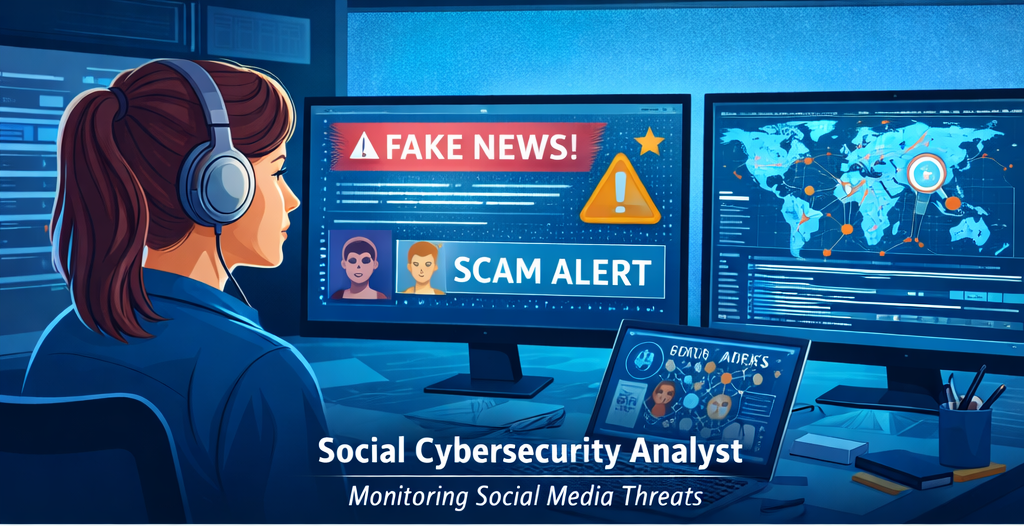
Career Focus 1: Social Cybersecurity Analyst
Description:
Social Cybersecurity Analysts protect communities and organizations from online manipulation, misinformation, and social engineering attacks. This role focuses on human behavior and digital communities, complementing traditional cybersecurity.
Responsibilities:
- Monitor social media for disinformation campaigns.
- Identify bots, trolls, and manipulative content.
- Analyze social networks to detect risks and patterns.
- Advise policymakers and organizations on online threat mitigation.
Skills Needed:
- Social network analysis, data mining, computational social science.
- Knowledge of psychology, communication, and human behavior.
- Familiarity with AI, NLP, and automated threat detection tools.
- Critical thinking and ethical decision-making.
Career Opportunities:
- Government intelligence agencies
- Social media and cybersecurity firms
- Research institutions
- Nonprofits promoting digital literacy
Image Placeholder:
Insert an image showing social media analysis or BEND framework
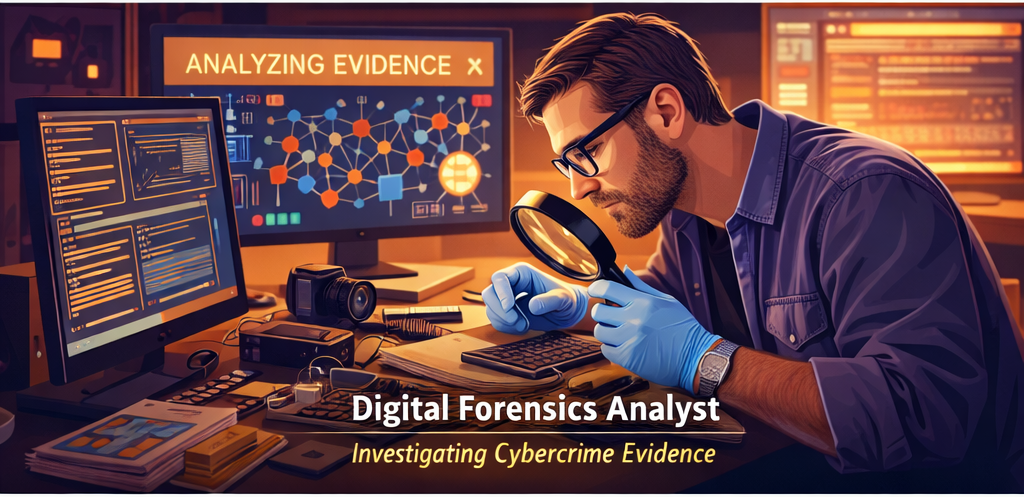
Career Focus 2: Digital Forensics Analyst
Description:
Digital Forensics Analysts investigate cybercrimes, recover evidence, and support legal or corporate investigations. This career combines technical expertise with investigative skills.
Responsibilities:
- Investigate cyberattacks, fraud, and data breaches.
- Recover deleted or encrypted data from devices.
- Analyze evidence for legal or corporate proceedings.
- Collaborate with law enforcement or corporate security teams.
Skills Needed:
- Knowledge of operating systems, file systems, and network protocols.
- Familiarity with forensic tools: EnCase, FTK, Autopsy.
- Understanding of cyber law and evidence handling.
- Analytical thinking and attention to detail.
Career Opportunities:
- Law enforcement and federal agencies (FBI, Cyber Crime Units)
- Private cybersecurity firms
- Consulting firms specializing in incident response
Image Placeholder:
Insert an image of a digital forensics lab or investigation process

Career Focus 3: Network Security Engineer
Description:
Network Security Engineers ensure the security and integrity of an organization’s computer networks. This is a highly technical role critical to preventing cyber attacks.
Responsibilities:
- Design and maintain secure networks.
- Monitor network traffic for suspicious activity.
- Respond to breaches and security incidents.
- Develop firewalls, VPNs, and intrusion detection systems.
Skills Needed:
- Networking protocols, firewalls, VPNs, IDS/IPS systems.
- Knowledge of cybersecurity standards and risk management.
- Incident response and problem-solving skills.
- Cloud security and network monitoring expertise.
Career Opportunities:
- IT departments in large corporations
- Cybersecurity firms and MSSPs
- Government agencies protecting critical infrastructure
Image Placeholder:
Insert an image of network monitoring or security infrastructure
Career Outlook
Demand for professionals in Social Cybersecurity, Digital Forensics, and Network Security is growing rapidly. These careers require a blend of technical expertise, investigative skills, and social science knowledge to safeguard individuals, organizations, and society.
Common Tools & Methods
- Social Cybersecurity: BEND Framework, BotHunter, MemeHunter, social network analysis, AI/NLP tools
- Digital Forensics: EnCase, FTK, Autopsy, mobile and cloud forensics
- Network Security: Firewalls, IDS/IPS, SIEM, VPNs, penetration testing tools