How One Man Caused Stir Worldwide
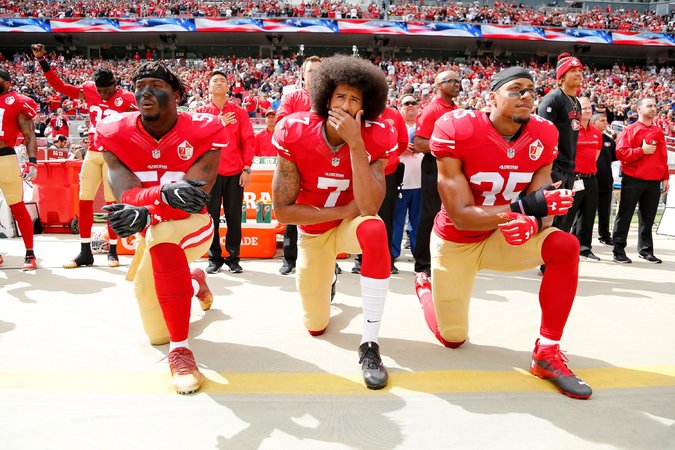
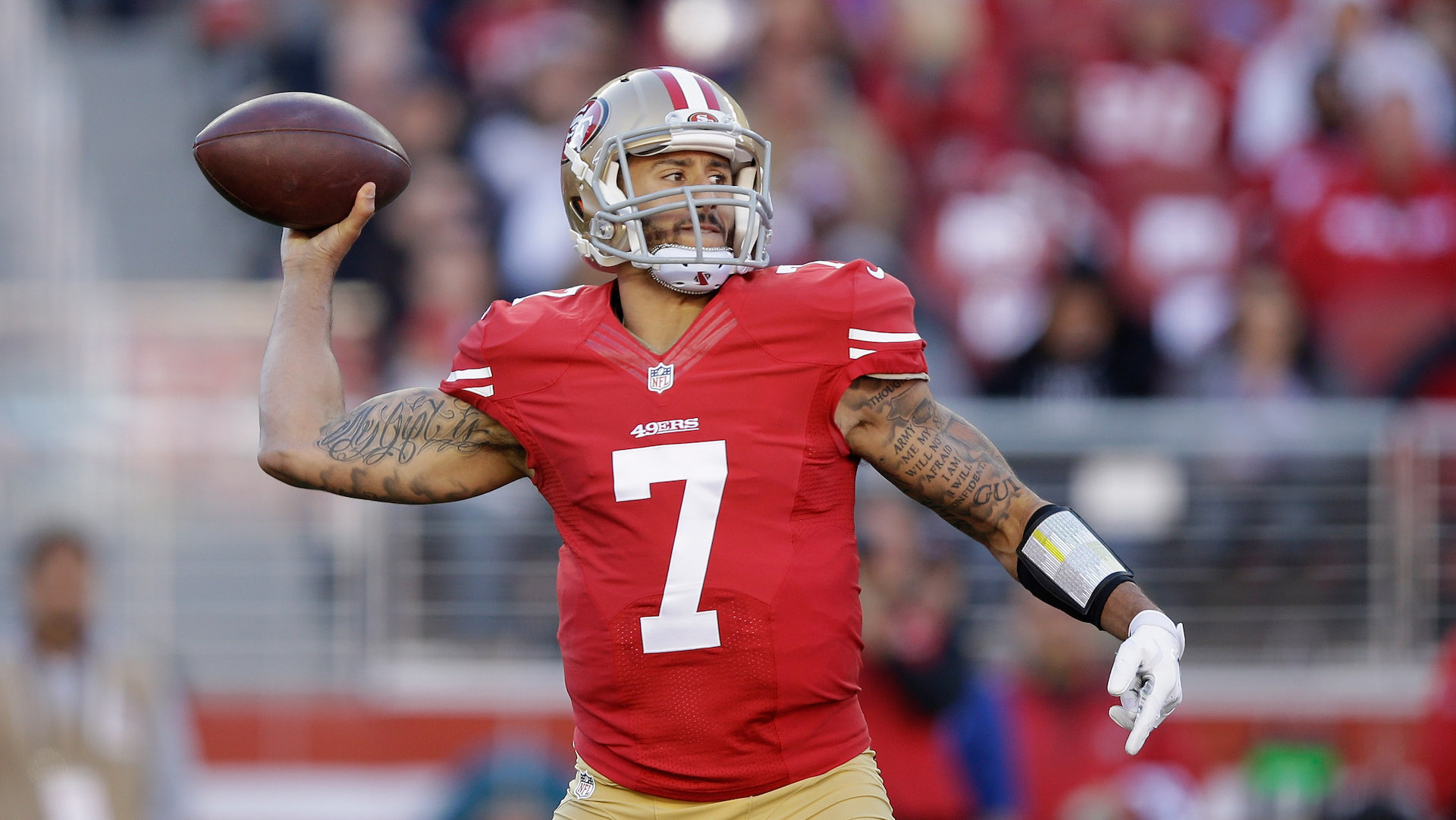
One of the most significant showcases of activism by an athlete in the modern era of sports is, by far, Colin Kaepernick. Kaepernick was a quarterback for the San Francisco 49ers from 2011-2016, and it was during his last season in 2016 that he began kneeling during the playing of the national anthem as a form of protest to racial injustice and police brutality in the United States.
The immediate effect of Kaepernick’s protest was controversial. Some people viewed it as a powerful statement that drew attention to systemic inequality, while others saw it as disrespectful towards the United States flag and military. The consequences on the field were heavy as well: Kaepernick did not play another NFL game after the 2016 season, and his career quickly became a talking point when discussing whether or not he was essentially banned from the league.
The media coverage sparked by the protest also played a major role in shaping the public’s perception of the protest. Traditional sports media outlets like ESPN focused more on controversy, framing the issue as a debate on patriotism rather than being centered on racial injustice. On the other hand, some outlets explored the social justice side more deeply, connecting the protest to larger movements such as Black Lives Matter (BLM). Initially, the NFL struggled to respond clearly, with mixed messages from owners and other officials further making this a more complex topic and pushing the true narrative deeper.
Furthermore, social media intensified the discourse. Apps like Twitter (now X) and Instagram allowed athletes and fans to share their thoughts in real time. In short, social media helped create two narratives behind Kaepernick’s actions: one was centered around Kaepernick being a civil rights advocate, while the other was portraying him as unpatriotic. Social media further created more unrest through viral hashtags and videos that supported either claim. This caused Kaepernick’s protest to become a topic of national discussion rather than a simple sports story.
Kaepernick played a significant role in shaping the narrative through interviews where he clearly laid out his intentions. He continued to emphasize that his protests were about justice rather than disrespect towards a nation. However, once the story grew beyond his control, the framing by the media and the interpretation by the public began to dominate how the event was being portrayed and absorbed.
Overall, the narrative played by the media both amplified and controlled the impact of Kaepernick’s protest. It elevated his actions into not just a national conversation, but to a global conversation about race and sport, as well as simplified or politicized his actions that eventually overshadowed his original intent.