Interpretive, Interpersonal, and Presentational Modes of Communication
I can say I have learned more about the vocabulary and the breakdown of words and different meaning of the word. Also working with my classmates really gave me an understanding of how to communicate in Spanish. The homework gave me practice on the different levels of the language. I am still learning and will continue my journey and the advantages of Spanish.
In my major Human Services, I will help all race and nationality and learning Spanish will help me communicate with the different communities.
Here are the question I had to answer in this oral quiz please select the oral quiz link for the response
1. ¿Cómo se llama usted?
2. ¿Cómo está usted?
3. ¿De dónde es usted?
4. ¿A qué hora es la clase de español?
5. ¿Cuántos estudiantes hay en la clase
Prueba oral 2 (vhlcentral.com)
- ¿Qué música escuchas?
- ¿Qué clases tomas?
- ¿Te gusta bailar?
- ¿Qué llevas en la mochila?
- ¿Trabajas los domingos?
- ¿Tienes hambre ahora?
- ¿Tienes sobrinos o sobrinas?
- ¿Eres trabajador(a)?
- ¿Tienes suerte?
- ¿Te gusta comer en la cafetería de la universidad?
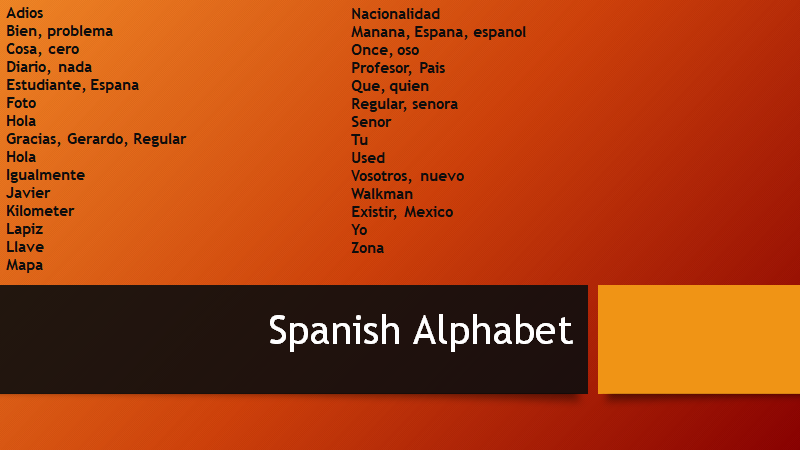
- The below document is the beginning, and we were asked to recite the Spanish alphabet more so different words listed below from A-Z to help my professor Crites to see how we would pronounce each word. I can say it was a challenge I reviewed the material several times. I did my best to pronounce the words correctly I stumbled a little bit, but I completed it.
- Submission History: Assignment Comunicación – … (odu.edu)
Exploring Culture
We watched a video about people meeting for the first time in a club and how some cultures greet each other. Spain and South America greet friends and family. Depending on the country people kiss one or two times in the cheeks.
I have never greeted a stranger with a kiss on the cheek. I have only greeted love ones with a kiss on the cheek. I really think a stranger would have a problem with me kissing them on the cheek. I think it might cause an altercation and would probably cause an issue with some people. I do understand different cultures have different ways of greeting one another but, I do not see it being used in the US.
One movie I enjoy watching is Selena and they communicated in both Spanish and English and her singing was so beautiful it was so tragic what happen. Watching the moving helps understanding the language.
I have learned about the different sports in the culture and soccer in Spain is one of the most celebrated and very competitive. The players are so passionate about the game. The fans are the most loyal and will go all out for their team.
Presentational Speaking
The first Entervista I was so nervous I studied the first chapter and the vocabulary. Also, listen how to pronounce the words. My instructor ask question and I was able to answer the questions. I ask her some questions as well I was proud of myself.
The second Entervista was with a partner I was so scared. Once we had our first meeting and
made some questions for the oral my nerves started to ease up. We reviewed our question and came up with the answers to them we both was anxious but we did a great job on the oral by working together as a team.
Entrevista (2) (vhlcentral.com)
The third entervista I worked with a different partner. I really wanted to work with the same partner but my instructed told me it would give me a chance to meet new people. Also, it will allow me to practice speaking with someone else. He setup a zoom meeting so we can practice our assignment I enjoyed that I was able to see him and communicate video. That is how we had to complete our assignment, so it was very helpful. I was still a little nervous but we both reviewed the material and completed the assignment.
Presentational Writing
What was unclear for me was sometime when to use the accent marks over the letter. Also, when to capitalize the word in the sentence. I had some difficulties understanding the articles and definite articles. Also, the present tense and verbs when writing in Spanish it was very confusing. I studied and read the chapter and also the homework help me understand.
Interpretive Listening
Listening to music in Spanish helps you understand some of the words in Spanish and the differences in the meaning. I have an example one of my favorite song from Boys II men..
Interpretive Reading
Reading the chapter and the different examples in class help me grasp a better understanding of the culture and the different rituals. The video examples help to see how people communicate with each other. Also, how listening to the words they use and how they articulate.
Discussion post
Los Deportes
Watch a video about “El Clásico” where they explain what that means. Do you think people in Spain take it to a different level? Do you think that when you like sports and you support a team, you must be like this? Do you like sport/team? Do you practice any sport? If so, which one? Complete your post with two (2) complete sentences in Spanish. Use the vocabulary from chapter 4.
My response
I do not think that people in Spain take it to a different level. I have seen football and basketball players go hard about the game it is all about the competition. When one player gets into it all of them runs to help their team member. You can support your team and wear your favorite Jersey or shirts, but they do not have to act the way do sometimes.
No, me gustan mucho los deportes, No yo no practico ningun deporte.
My overall experience learning Spanish has had some ups and downs. Sometimes I became very frustrated and wanted to give up on the class because it was new to me and learning a foreign language online can get very difficult at times. Reaching out to my adviser and my professor reassured me that everything will be ok and if I need assistance, I can reach out to them as well as other resources and tutoring is also available. It was also a good thing we did assignments with partners because we can reach out to each other and have study groups to better help us understand the assignments. The class was very challenging but a journey worth taking.