A Functioning Society
Critical infrastructure refers to the systems that are holding up a functional society and
keeping the system running. “There are 16 critical infrastructure sectors whose assets,
systems, and networks, whether physical or virtual, are considered so vital to the United
States that their incapacitation or destruction would have a debilitating effect on security,
national economic security, national public health or safety, or any combination thereof
(CISA 2024).” These sectors include chemical sector, commercial facilities sector,
communications sector, critical manufacturing sector, dams sector, defense industrial base
sector, emergency services sector, energy sector, financial services sector, food and
agriculture sector, government services and facilities sector, healthcare and public health
sector, information technology sector, nuclear reactors, materials, waste sectors,
transportation sector, and water/wastewater systems sector. These systems are
considered “critical” due to the high importance and need for functionality of a society.
VULNERABILITIES TO CRITICAL INFRASTRUCTURE
These systems are vulnerable to a multitude of threats to protect against. These threats
include:
CYBER ATTACKS: Malware, denial of service, data breaches, ransomware are all forms of
cyber attacks which can disrupt, damage, or steal sensitive data and information. Cyber
attacks are becoming more advanced.
PHYSICAL THREATS: Natural disasters and terrorist attacks pose a significant threat due to
power outages, earthquakes, electrical disturbances, and then the damage to facilities and
its personnel through terrorist activity.
INSIDER THREATS: The personnel working part of the critical infrastructure also pose a
threat due to poor training or workplace deviance.
OUTDATED TECHNOLOGY: Many systems in the critical infrastructure still use outdated
technology or software which put them at risk for attacks due to the lack of proper security
protocols.
THE ROLE OF SCADA
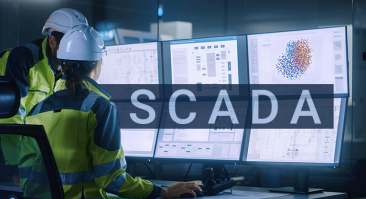
SCADA or supervisory controls and data acquisitions, “systems are used for controlling,
monitoring, and analyzing industrial devices and processes (SCADA-International 2024).”
SCADA helps mitigate these vulnerabilities that threaten critical infrastructure.
SCADA mitigates these threats through what is called HMI or human machine interfaces
that present information to operators on a graphical screen. From the HMI an operator
has control over automated processes, remotely manages operations, collects equipment
data during operation, logs all processes and operations, and general monitoring of
systems. Also a major component of SCADA systems is the capability of quick time incident
response. The SCADA system can aid in a speedy response time to casualties detected
within allowing time for operators to correct the situation before it worsens. Implementing
and maintaining SCADA systems is crucial for the safe operation and security of critical
infrastructure. A lack of proper SCADA system protocols can pose serious vulnerabilities to
critical infrastructure.
References
Critical Infrastructure security agency (2024, November 3). Critical Infrastructures Sectors.
CISA.gov. Retrieved November 3, 2024, from
https://www.cisa.gov/topics/critical-infrastructure-security-and-resilience/critical-infrastruct
ure-sectors
SCADA-International (2024, November 3). What is SCADA? Retrieved November 3, 2024,
from
https://scada-international.com/what-is-scada/#:~:text=Supervisory%20Control%20and%20
Data%20Acquisition,them%20without%20being%20on%20site.