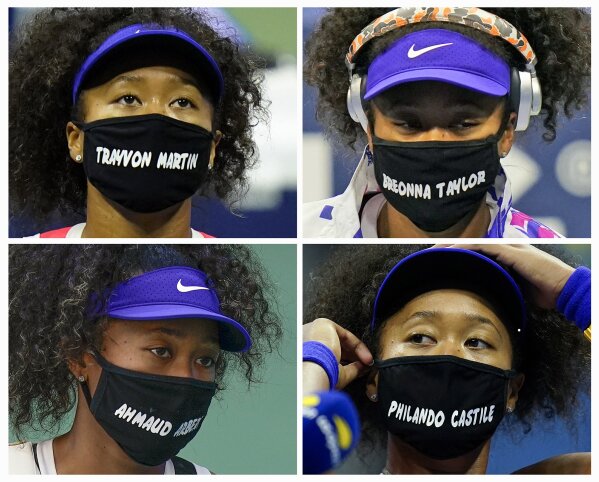
In 2020, Naomi Osaka made headlines not just for her performance on the court, but for how she used her platform to speak out against racial injustice. During the U.S. Open, she wore seven different black masks—one for each round—each bearing the name of a Black victim of police violence. Some of the names included Breonna Taylor, George Floyd, Elijah McClain, Trayvon Martin, and Tamir Rice. She said her goal was to “make people start talking,” and that’s exactly what happened.
Around the same time, during the Western & Southern Open, Osaka made the decision to withdraw from her semifinal match after the police shooting of Jacob Blake in Kenosha, Wisconsin. She posted a statement on social media saying, “Before I am an athlete, I am a Black woman,” and explained she didn’t feel it was right to play a match while another Black man had been shot by police. The tournament paused play for a day in solidarity—showing just how impactful her decision was.
But it’s important to recognize that her activism didn’t come without personal tolls. As a young Black woman in a predominantly white and traditionally quiet sport like tennis, she faced a wave of criticism and pressure. The attention, expectations, and backlash weighed heavily on her. In 2021, she withdrew from the French Open after announcing she would not participate in post-match press conferences due to mental health reasons. Media outlets and tournament organizers questioned her decision, with some accusing her of being difficult or unprofessional. Eventually, she revealed she had been struggling with anxiety and depression since winning her first Grand Slam in 2018.
Social media played a huge role in supporting her during this time. Fans, fellow athletes, and mental health advocates rallied behind her. The hashtags #NaomiOsaka, #AthletesForChange, and #MentalHealthAwareness spread fast. Because she shared her story in her own words, through her own platforms, she controlled her message and humanized the pressure that so many athletes silently deal with.
Osaka’s actions forced two uncomfortable but necessary conversations—one about racial injustice, and another about mental health in sports. She showed that stepping away isn’t weakness, it is courage. Her activism didn’t just make people talk. It made them listen.