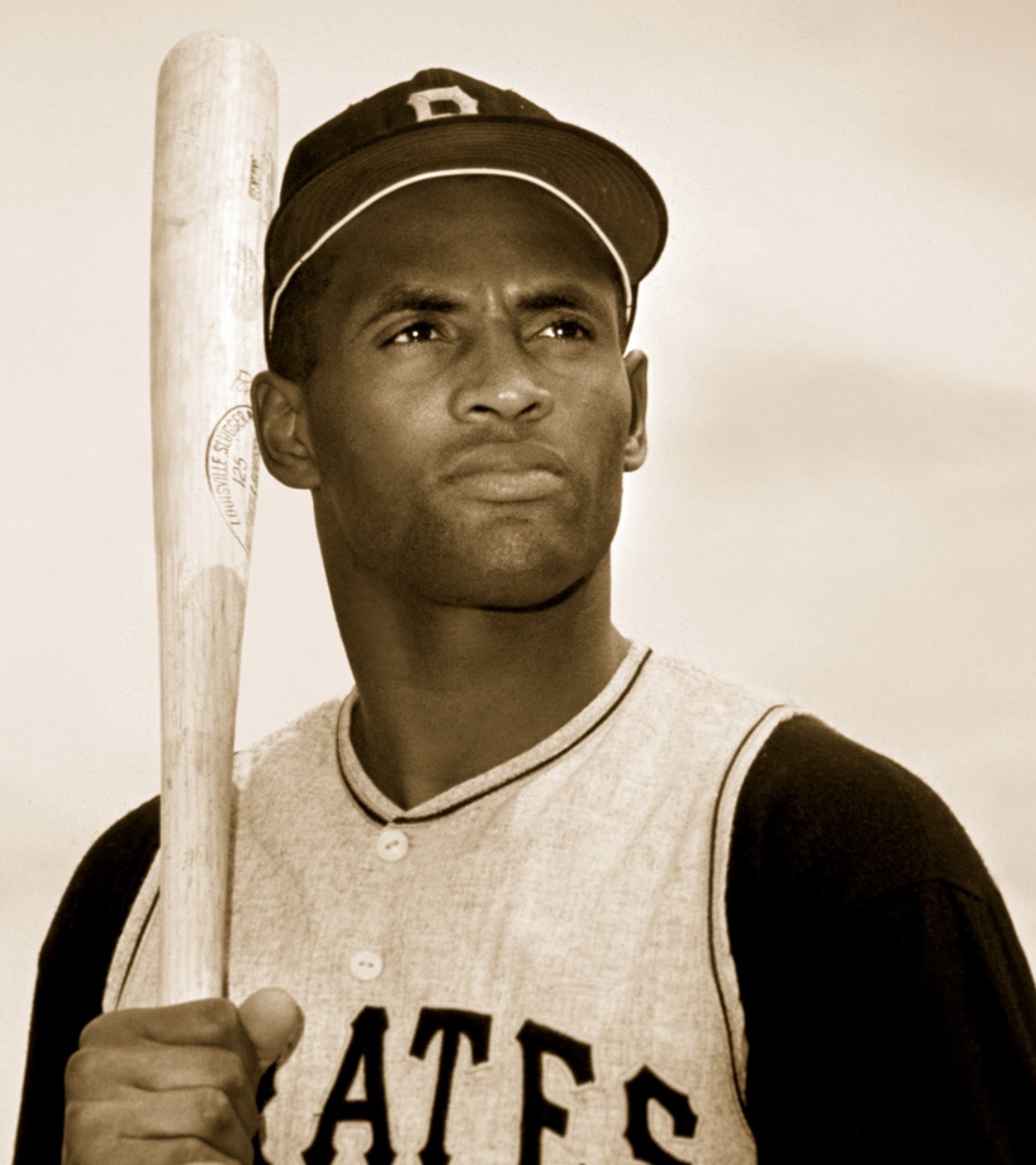
Pittsburgh Pirates outfielder Roberto Clemente became a widely recognized symbol of athlete activism through one of the most popular movements for change as an activist in American sport to fight for the fair treatment of athletes and the rights to sports. A 12-time Gold Glove winner and a two-time World Series champion, Clemente, who was the 1966 National League MVP, did everything he could to work to eliminate unfair practices and elevate the standard of living for players and the communities surrounding them on and off the diamond. For the majority of his career in the 1950s and 1960s, during spring training in the segregated South, particularly, he spoke out against discrimination and a host of abusive labor practices against Black and Latino players in an otherwise relatively quiet place. He boycotted segregated facilities, resisted bad travel conditions for nonwhite players and pushed the Pirates organization to offer better supports, including station wagons rather than buses that served “whites-only” diners alone.
When Dr. Martin Luther King Jr. was murdered in 1968, Clemente and his varied team of Pirates athletes lobbied to postpone the season until after the funeral of King, demonstrating solidarity with the civil rights movement. Clemente’s activism peaked when he got involved in humanitarian efforts. Even when he was alive, baseball clinics for poor children in Puerto Rico and Latin America were regularly organized, along with donating his equipment and his spare time to community programs and fighting for the welfare of the poor. Then on Dec. 31, 1972, he boarded a plane filled with supplies for earthquake victims in Nicaragua. Unfortunately, the plane crashed; yet in his selfless act, he served as a model of sacrifice and generosity. He passed on and served others and so his conviction that the athletes have a duty to serve is strengthened.
It had a lot to do with the world of sports and the world of society. Clemente’s influence gave tomorrow’s minority players in MLB a better life, and inspired humanitarian aid in so many ways. The annual Roberto Clemente Award (to the best baseball player that has demonstrated values like sportsmanship and community service) is what he will long be remembered on. It also spotlighted Latino contributions both to baseball, and social justice.
Mainstream media outlets promoted Clemente as a baseball hero in the 60s and early 70s, admiring all his athletic achievement on the field, on occasions, underplaying or light-handedly reporting on his social and politically activist work off the field. The Black and Latino press directly supported his stand against inequality. Clemente created his narrative through Spanish-language press, by delivering his message to people in both English and Spanish stressing hard work and doing what one can to help others, not to hate people. With respect to his behavior, he never shied away from relating it to universal principles of empathy and justice.
Without today’s social media, the public discussion became news, covered in newspapers, at radio, and in discussions at community meeting. Eventually, the media coverage elevated his profile and made him a heroic figure whose advocacy helped improve baseball’s image as a force for good. And in an age of omnidirectional media, Clemente would likely have taken to Instagram and Twitter to share his clinics and his aid missions, to recruit as many followers as there were to have. Because as a baseball fan, Clemente’s story illustrates how great athletes can make meaningful contributions to their communities through service and integrity.” Also, the sport has been made stronger by his activism, and the lesson to everyone else to recognize is that we can be great by inspiring greatness in others.