A Partnership Proposal with HomeTeam Network

How This Quest Came to Life

Despite the multibillion-dollar scale of sports and sports media, personal connections remain at the heart of the industry. This semester I built one of those connections with Dave Holder, Chief Financial Officer at HomeTeam Network (HTN), for the Sport Professional Penpal assignment.

I was transparent from the beginning that this was a university project and that I would use our conversations for class work. Dave was generous with his time and insights. Through several email exchanges, I learned that HTN started only four years ago as a youth sports streaming company and has already grown to stream 42 different sports, with 72% at the professional level. Butler University has signed on, and HTN has even sent cameras and software to a curling team in Japan.

Dave explained how HTN’s technology works: cameras (installed or portable), instant playback on phones, automated scores/stats/metrics, and tools that let teams compare mechanics and performance. He also shared that colleges are being squeezed financially and that the next 3–5 years will bring a major shift to affordable streaming solutions like his. When I asked about opportunities for a school like Old Dominion University, Dave suggested that signing with HTN could let ODU build its own dedicated network, including a weekly talk show similar to SportsCenter. That idea became the foundation for my Quest.

I took his advice seriously — networking is key, stay flexible, keep learning — and developed a realistic proposal that leverages HTN’s strengths while giving ODU students real sport communication experience. This Quest is the direct result of those conversations.

The Quest: ODU Monarchs Stream Network Proposal

Executive Summary

Old Dominion University Athletics should form a partnership with HomeTeam Network to launch the ODU Monarchs Stream Network. This dedicated platform would stream live games, deliver instant highlights and stats, and include a student-produced weekly talk show. The initiative would create new revenue through subscriptions, increase fan engagement across devices, provide valuable hands-on experience for students, and help ODU stay ahead in the evolving sports media landscape.

Why HomeTeam Network?

Dave Holder and HTN offer exactly what many colleges need right now:

•  Affordable, high-quality streaming without the cost of traditional broadcasters

•  Instant playback and highlights perfect for social media

•  Automated stats and performance comparison tools

•  Experience with 42 sports and clients ranging from youth programs to professional teams and international organizations

•  Flexible options (remote or on-site broadcasting, any language)

Detailed Plan

1. Live Streaming Infrastructure

HTN would supply and install the necessary cameras for key ODU venues. All home games in major sports (basketball, football, soccer, baseball, etc.) would be streamed live with instant replays available immediately on fans’ phones.

2. “Monarchs Central” Weekly Talk Show

•  30–45 minute episodes airing every Thursday during the main seasons

•  Produced and hosted by ODU sport communication students

•  Content includes game highlights with HTN instant replays, player/coach interviews, stat breakdowns, and mechanic comparisons

•  Distributed on the ODU Athletics website/app, YouTube, and the HTN platform

3. Promotion & Execution Strategy

•  Social Media Campaign: Post quick highlights within minutes of big plays to Instagram, TikTok, and X to drive subscriptions and game attendance.

•  Cross-Promotion: Partner with ODU student groups, alumni associations, and season ticket holders.

•  Launch Event: Host a free “Stream Night” at the start of the 2026–27 season with giveaways and live demos.

•  Email & Campus Marketing: Send targeted messages to students, faculty, and fans highlighting the convenience of watching on any device.

4. Revenue Model

Subscription-based (example: $4.99/month basic access, $9.99/month premium with exclusive content). Revenue would be shared between ODU Athletics and HTN. Additional sponsorships within streams could add further income.

5. Timeline

•  Summer 2026: Contract discussions between ODU Athletics and Dave Holder/HTN

•  Fall 2026: Camera setup, student training, and pilot streams

•  Spring 2027: Full launch with Monarchs Central debut

Expected Benefits

•  New revenue at a time when college athletic departments face budget pressure

•  Stronger fan connection through modern, on-demand viewing

•  Professional experience for ODU students in production, social media, and sports media

•  Positioning ODU as an innovative program in the streaming future Dave described

Final Reflections

This Quest would not exist without Dave Holder’s input and mentorship. He turned an assignment into a practical, real-world idea that connects directly to HTN’s mission and ODU’s needs. I plan to refine this proposal further and send it to the ODU Athletics communications or marketing department, while following up with Dave to thank him and share the final version.
Saving Young Players Arms

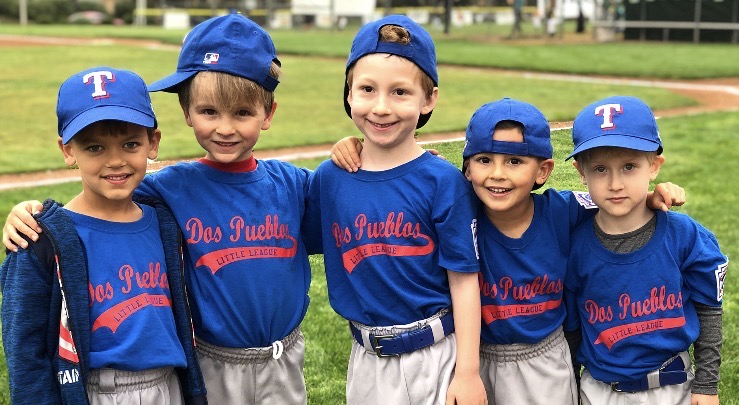
On a sunny Saturday morning in Bridgeville, Pennsylvania, the crack of an aluminum bat echoes across the field. A group of 10 and 11 year old kids in mismatched uniforms chase ground balls. Their coach, a volunteer dad in a faded Pirates cap, calls out simple tips like hands together, eyes on the ball, and have fun out there.

There are no radar guns or private pitching coaches. This is regular recreational youth baseball. It is affordable, close to home, and getting harder to find around Pittsburgh.

Youth baseball in Western Pennsylvania and across the country is at a turning point. More kids join year round travel teams, showcase tournaments, and focus only on baseball at a young age. This creates faster pitches and stronger players for the next level. But it also leads to more arm injuries, especially elbow problems for kids who are barely in middle school. Local coaches and parents are speaking up. They believe the real heart of the game, playing for fun, trying different sports, and loving baseball for life, is disappearing.

For generations, baseball in towns like Bridgeville meant spring rec leagues, summer pickup games, and backyard Wiffle ball. Kids learned by trying, failing, and figuring it out. Now many talented players start travel ball by age eight or nine. They play 50 to 100 games a year, plus private training and winter showcases to throw harder.

Coach Tom Reynolds has volunteered in youth baseball for 18 years and has seen the shift. These kids throw harder than we ever did at their age, he said after a recent practice. But they get hurt sooner. I had a 13 year old last season whose elbow hurt so bad he could not pick up a ball for months. The schedule never stops with spring league, summer travel, fall ball, and winter camps. When do they rest?

The numbers back up his concern. Overuse injuries make up nearly half of all youth baseball injuries, mostly to the elbow and shoulder. Tommy John surgeries have increased sharply in young players. At some hospitals, kids under 18 now make up about one third of these operations. Playing year round without enough rest is a main cause.

In Pennsylvania, where baseball matters as much as football and hockey, the pressure feels stronger. Pittsburgh area travel teams hold tryouts from 7U to 18U. Tournaments pull in families from across the state. It costs thousands of dollars and takes up huge amounts of time. Many working families cannot afford it, while others push their kids into single sport focus.

Sarah Mitchell, a mom from the South Hills, watched her son experience both sides. In rec ball he played shortstop one inning and pitched the next. He laughed with his friends, she said. On the travel team everything was about arm position and exit velocity by age 10. He loved baseball until the pain started and he worried one bad season would ruin his future. He quit at 12.

Little League has added pitch count rules and required rest days. Studies show the rules help reduce injuries when followed. Yet experts point out that year round schedules and the push for harder throws often create problems anyway, especially outside rec leagues.

Baseball has always given us great stories about sandlot kids and underdog teams reaching the Little League World Series. Those stories celebrate teamwork, hard work, and joy, not just how fast someone throws. If we keep forcing early specialization and treat the game like a serious business, we could lose that joy. Fewer kids might fall in love with baseball and stay with it. That could hurt the sport long term with a smaller pool of players. Volunteer coaches here are not against competition or improvement. They simply want to keep the game open, protect kids health, and make sure they still have fun.

Back on the Bridgeville field, practice ends with a lively home run derby. A quiet 10 year old who joined midway through the season smacks the ball hard. It sails far while his teammates cheer. No scouts watch. No one films for social media. It is just kids enjoying baseball.

Reynolds smiles as he watches. That is the sound we need more of, he says. The crack of the bat and kids who cannot wait for the next game. Not because it might take them to the majors, but because it is baseball.

Today we have velocity camps and huge pro signing bonuses. Yet the real heroes on the diamond may be the rec coaches, parents, and local leagues that still let kids simply play. The future of baseball in Western Pennsylvania and beyond might depend less on how hard a 12 year old throws. It might depend more on whether he still loves the game at 18.

Photo Via LittleLeague.org

Roberto Clemente: Using Baseball to Promote Change.

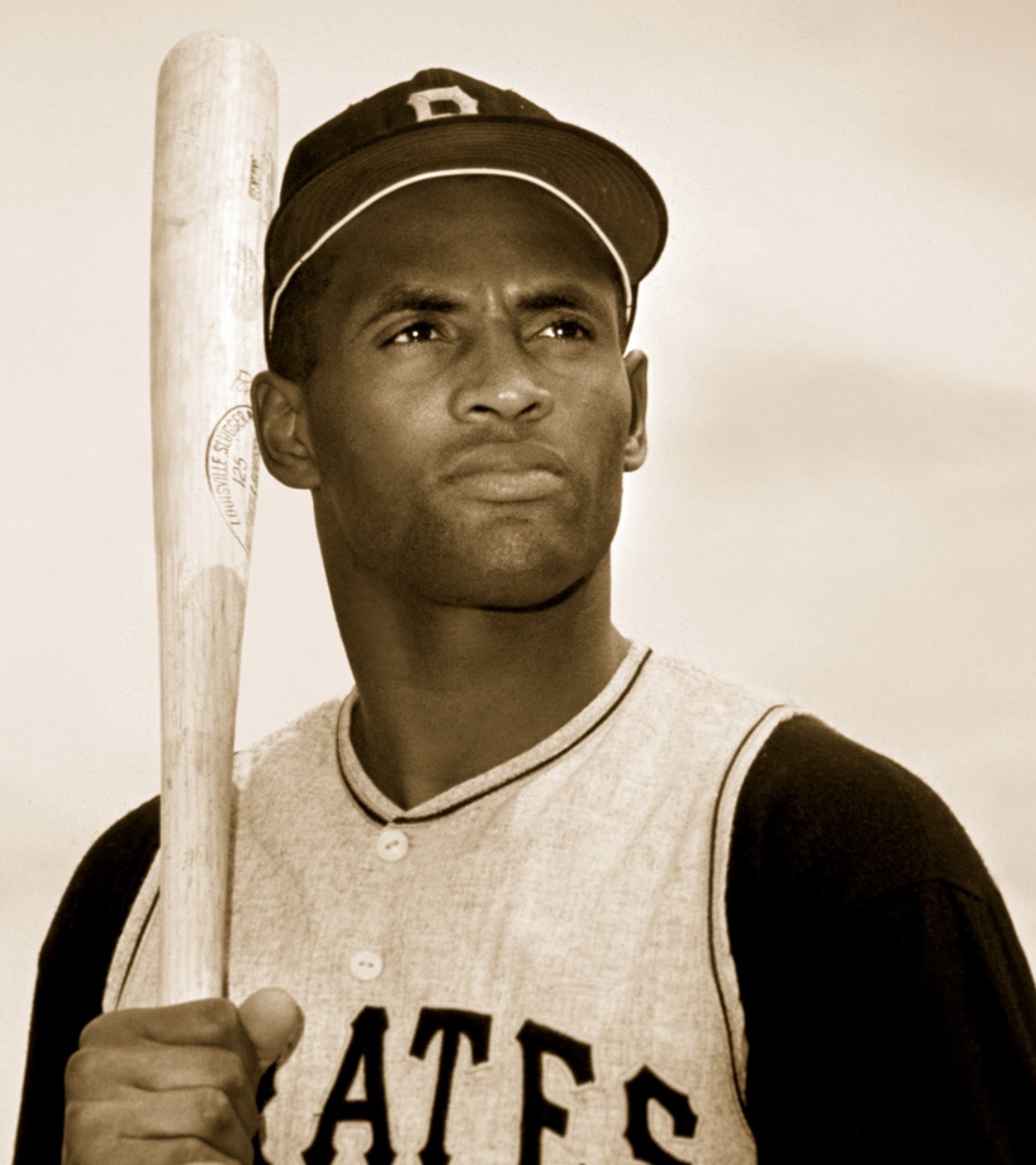
Pittsburgh Pirates outfielder Roberto Clemente became a widely recognized symbol of athlete activism through one of the most popular movements for change as an activist in American sport to fight for the fair treatment of athletes and the rights to sports. A 12-time Gold Glove winner and a two-time World Series champion, Clemente, who was the 1966 National League MVP, did everything he could to work to eliminate unfair practices and elevate the standard of living for players and the communities surrounding them on and off the diamond. For the majority of his career in the 1950s and 1960s, during spring training in the segregated South, particularly, he spoke out against discrimination and a host of abusive labor practices against Black and Latino players in an otherwise relatively quiet place. He boycotted segregated facilities, resisted bad travel conditions for nonwhite players and pushed the Pirates organization to offer better supports, including station wagons rather than buses that served “whites-only” diners alone.

When Dr. Martin Luther King Jr. was murdered in 1968, Clemente and his varied team of Pirates athletes lobbied to postpone the season until after the funeral of King, demonstrating solidarity with the civil rights movement. Clemente’s activism peaked when he got involved in humanitarian efforts. Even when he was alive, baseball clinics for poor children in Puerto Rico and Latin America were regularly organized, along with donating his equipment and his spare time to community programs and fighting for the welfare of the poor. Then on Dec. 31, 1972, he boarded a plane filled with supplies for earthquake victims in Nicaragua. Unfortunately, the plane crashed; yet in his selfless act, he served as a model of sacrifice and generosity. He passed on and served others and so his conviction that the athletes have a duty to serve is strengthened.

It had a lot to do with the world of sports and the world of society. Clemente’s influence gave tomorrow’s minority players in MLB a better life, and inspired humanitarian aid in so many ways. The annual Roberto Clemente Award (to the best baseball player that has demonstrated values like sportsmanship and community service) is what he will long be remembered on. It also spotlighted Latino contributions both to baseball, and social justice.

Mainstream media outlets promoted Clemente as a baseball hero in the 60s and early 70s, admiring all his athletic achievement on the field, on occasions, underplaying or light-handedly reporting on his social and politically activist work off the field. The Black and Latino press directly supported his stand against inequality. Clemente created his narrative through Spanish-language press, by delivering his message to people in both English and Spanish stressing hard work and doing what one can to help others, not to hate people. With respect to his behavior, he never shied away from relating it to universal principles of empathy and justice.

Without today’s social media, the public discussion became news, covered in newspapers, at radio, and in discussions at community meeting. Eventually, the media coverage elevated his profile and made him a heroic figure whose advocacy helped improve baseball’s image as a force for good. And in an age of omnidirectional media, Clemente would likely have taken to Instagram and Twitter to share his clinics and his aid missions, to recruit as many followers as there were to have. Because as a baseball fan, Clemente’s story illustrates how great athletes can make meaningful contributions to their communities through service and integrity.” Also, the sport has been made stronger by his activism, and the lesson to everyone else to recognize is that we can be great by inspiring greatness in others.

Monarchs Complete the Sweep with 5–4 Comeback Over Niagara

Sunday’s second game of the day against Niagara ended up being the toughest one of the weekend. Everyone was tired. Playing two in one day wears on you, especially early in the season. But the second game was under the lights, and that always brings a different type of energy and mood. The crowd was still strong even for a late game, which made it feel bigger.

Before the game, Coach Finwood (Finny) told us, “The tougher team will take the second game of the day.”

Early on, it didn’t look like it was going our way. Their starting pitcher was dealing. He kept us off balance and they jumped out to a 4–0 lead. But no one in our dugout panicked. We knew they were low on pitching coming into the day. Our mindset was simple. Get their starter out of the game and we would have a shot at their bullpen.

Once we got into their relievers, things changed. Our hitters started putting together better at bats and stopped chasing. Maverick Stallings had a big RBI that tied the game, and Tyler Zedalis drove in the go ahead run with a sacrifice fly. That’s situational baseball. That is what won it.

When we took the 5–4 lead, I was still on the mound. After battling back like that, I was not letting it slip. I just focused on attacking hitters and getting quick outs, keeping the momentum on our side. That ended up being my first career win at ODU, which made it even more meaningful.

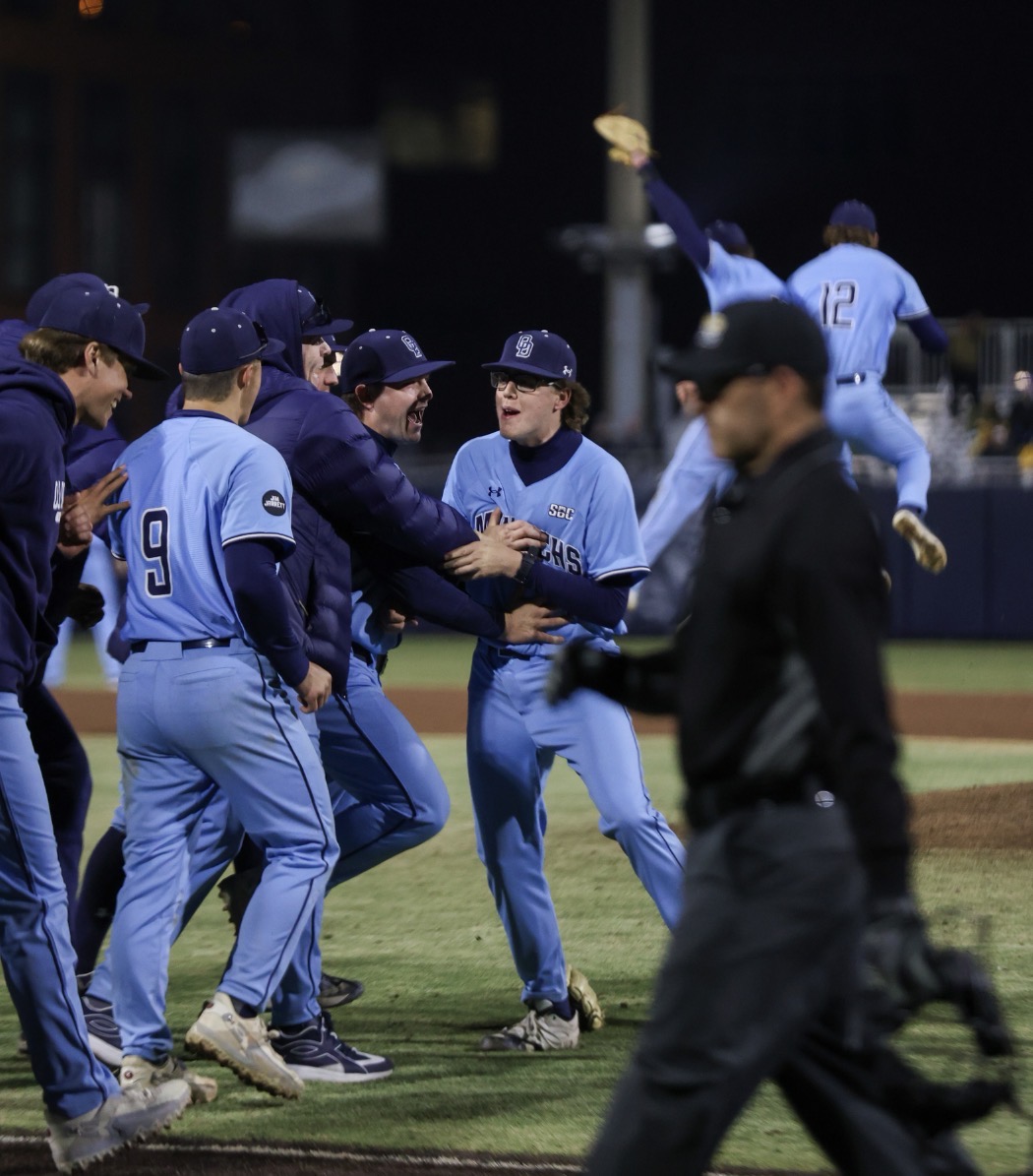
The ninth inning was probably the biggest part of that game. Charlie Pearce, a freshman, came in with the bases loaded and one out. That is not an easy situation for anyone, especially a freshman. But he stayed calm. When he got the final out, he pumped his arms toward our dugout and we all ran out to celebrate (in the photo below). It was his first collegiate save, and it secured the sweep.

A sweep means you win all three games in a series, and doing it in a doubleheader to finish it off says something about your team. We were tired and It was the second game of the day, but like Finny said, the tougher team was going to win that one, and we did.

First career win for me. First save for Charlie. And a sweep under the lights at home.

Game 3 2/21 win versus Niagara, Charlie Pearce’s first save.

Social Media Persona Blog Post

For this assignment I chose X because it makes the most sense for sports. Everything happens in real time and it’s easy to post updates throughout the day. Instead of just creating a random social media page, I made my X page like a real game day from my perspective.

The first post was in the weight room before our game against Niagara. I talked about getting activated for the 3 p.m. game. I posted that because people usually only see the game, not the preparation that comes before it. Game day starts way before first pitch, It starts with moving around and getting your mind right.

Then I posted a picture of the field at Bud Metheny Baseball Complex “The Bud” before we played. I said it was shaping up to be a good day to compete. That one was more about just appreciating being out there. You don’t always think about it in the moment, but getting to play college baseball is a blessing. That post shows that side of it.

After we won all three games, I posted the final graphic and said we took all three. That’s the competitive side. We put the work in and it paid off. These Posts are under the “Social Media” tab at the top of my website.

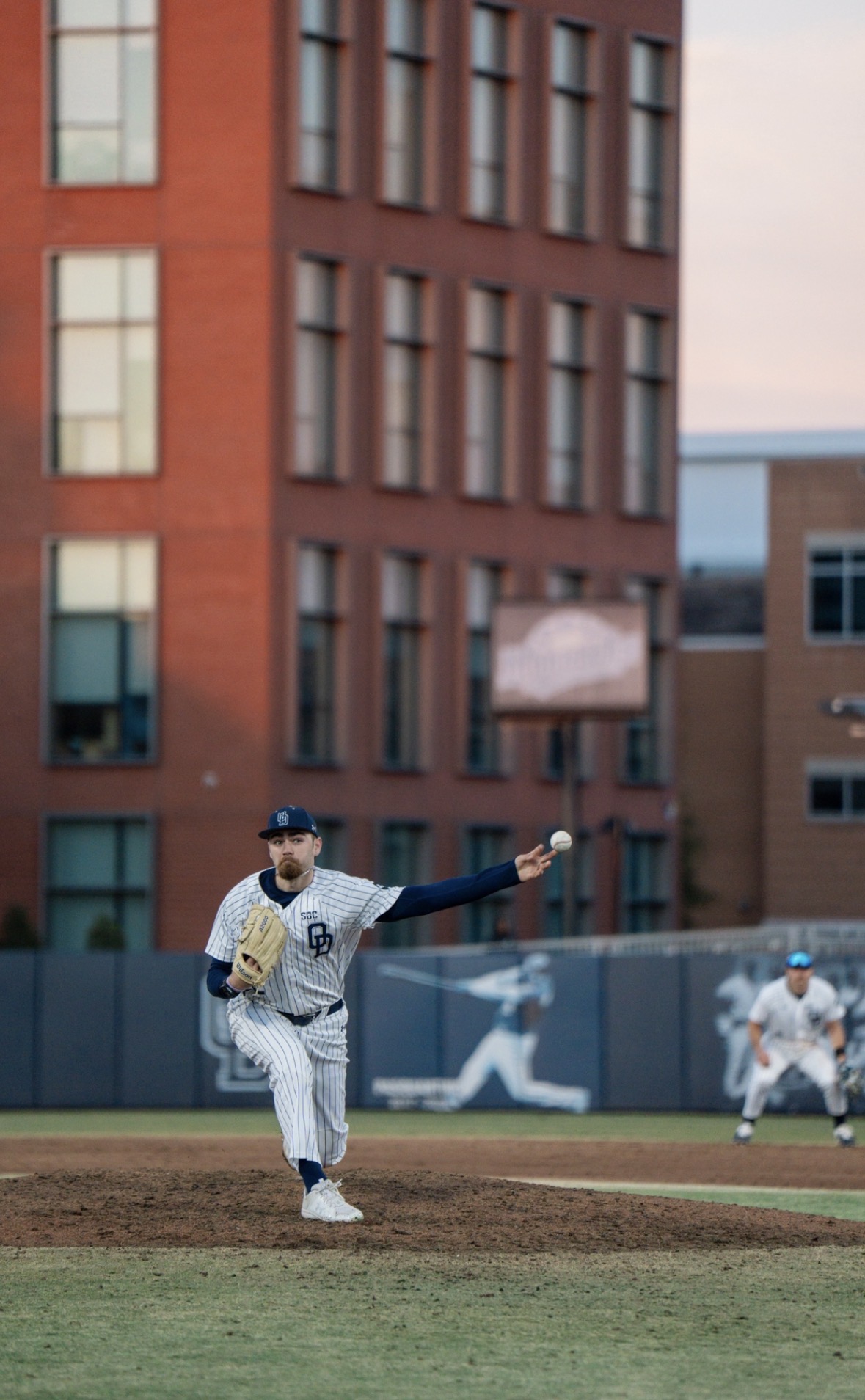
Saturday Feb 28, versus University of Charlotte