#5 The Prisoner’s Dilemma
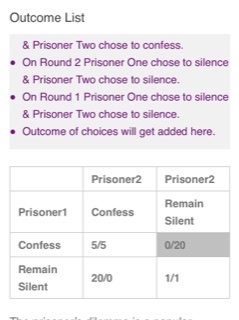
Topping off the list is one of the most exciting assignments. For this artifact, we were assigned to play a game to better understand social dilemmas. The object of the game is to get as little jail time as possible for the crime you and your partner committed. There is high personal incentive to sell out your partner but if neither one confesses to the crime then both get a low jail sentence. One thing I realized very quickly is that I very easily cave under pressure. When I first started the game, I was determined to stay loyal to my partner in crime but as soon as the computer sold me out, I quickly turned vengeful. Even though the stakes were low, and the game was set to random I still felt slighted and was more willing to risk both of us going to jail once the “trust” was broken. I had a lot of fun playing this game. I could never settle on a strategy and I concluded that my decision would be based on the circumstances and how much I trust the other person.
#4 Are people who help happier?
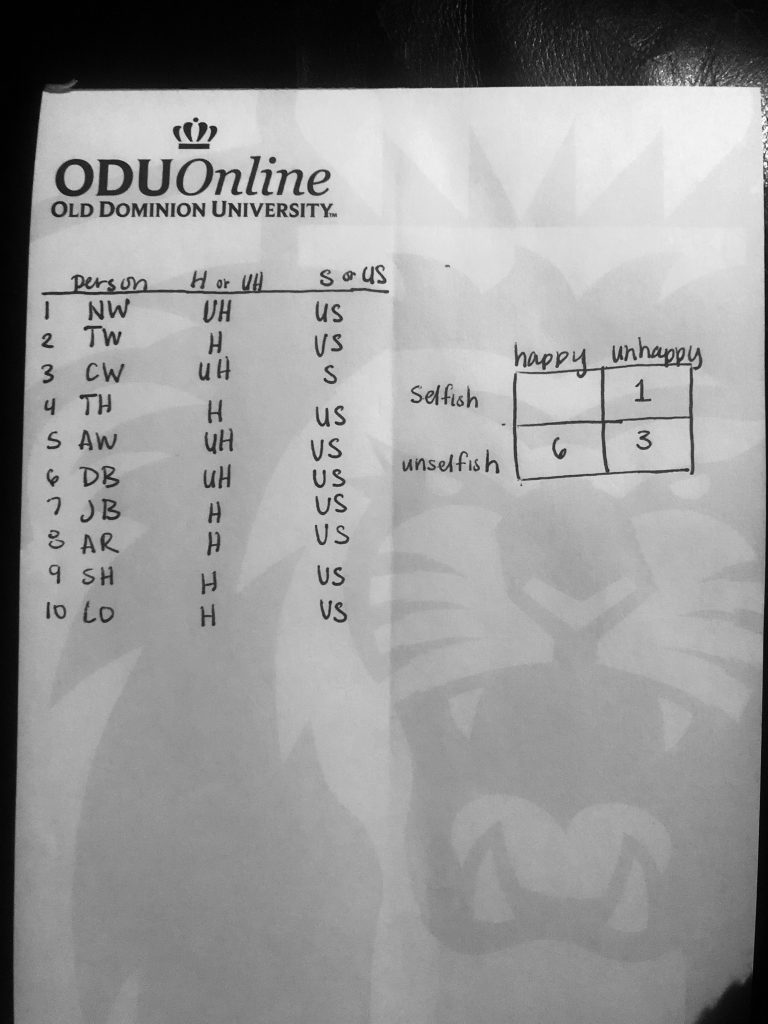
The relationship between happiness and charity is a well-covered topic in psychology. It is common knowledge that people who are happier are more willing to help others. The fact that this is widely known could be one reason selfishness and unhappiness are often associated with each other. If happiness and selflessness are correlated, then it is a logical conclusion that their opposites be too. But I believe another factor is more prominently responsible for people’s strong associations between selfishness and unhappiness. Every year there is a strong push from the media, reinforcing the idea that happiness comes to those that are unselfish. Every December the movie “A Christmas Carol”, with its many reimaginings plays on multiple network tv stations. Other movies like it get heavily advertised on streaming services as well. The movie, which is deeply ingrained in American culture, focuses on a man who is wealthy yet deeply unhappy because he is selfish and by the end of the story, he learns that money doesn’t buy happiness but being kind to others does. Through movie shorthand and time restraints, most of his kindness is in the form of charity. With every passing year and we embrace this movie and others like it, as a genuine lesson to be learned the subtle bias that unhappiness and selfishness are linked are reinforced.
when doing this assignment I learned that I too have an unconscious bias and strongly believe that selfishness and happiness do not fit together. Most of my bias is because I was raised to value helping others and the other part is because it is also a message that movies and tv shows push heavily. It is probable that creators share the same values so that message bleeds through their work but now that I’m aware of my bias a question is raised. Is there an example of someone who is selfish and happy that I would not perceive as a villain or morally bankrupt?
#3 Stereotypes
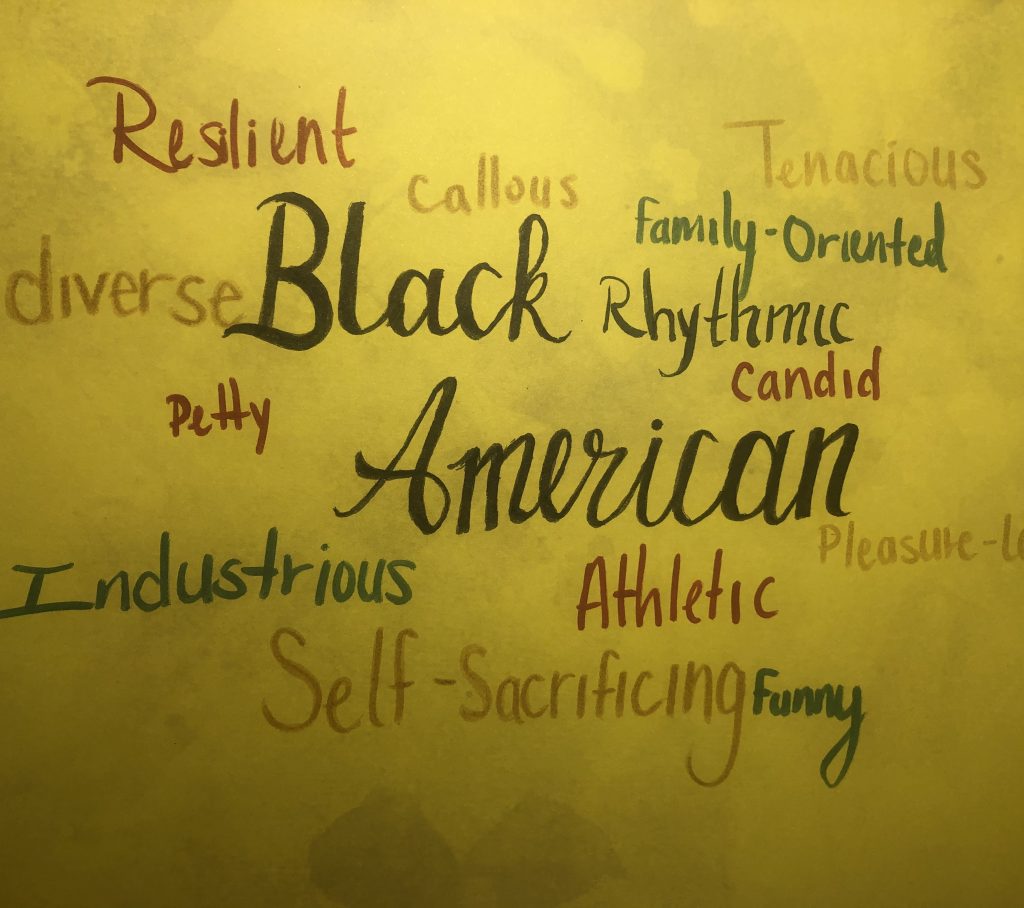
Whenever there are groups of people with differences, stereotypes will emerge. In the united states, there is a long history of negative racial and ethnic stereotypes that follow new immigrants coming to the unites states. There is a common pattern to immigration, the newest group of people that come get the worst of it, and the immigrants that have been living in the country for a while are better accepted. Some of the first groups of people to be on the receiving end of distance were the Irish and Italians, then black Americans and Asian Americans. In more recent years it is Hispanic and Muslim, and middle eastern Americans. As the majority of Americans become more comfortable with a certain group of immigrants and realize they are not interested in radical change but respect and the American dream. The majority relaxes their prejudices and shifts their defensiveness onto the next wave of immigrants. Stereotypes change not so much because the group’s position in society changes but because the majority no longer sees them as a threat. This may be part of the reason why black Americans are still struggling to shave off the most harmful stereotypes. Due to implicit bias, black Americans are still seen as a threat when in reality we seek equity and justice.
From this assignment, I didn’t personally learn anything because I’ve experienced have negative and flat-out wrong stereotypes thrust upon me and iv educated myself on the matter and I am mindful of how stereotypes affect others. However, I do think this assignment is essential for people who haven’t had to consider such things before or only consider their unique perspective on the matter. I don’t particularly enjoy this topic but I feel it is necessary to continue a dialog because so many people have are only just now joining.
#2 Cognitive Dissonance
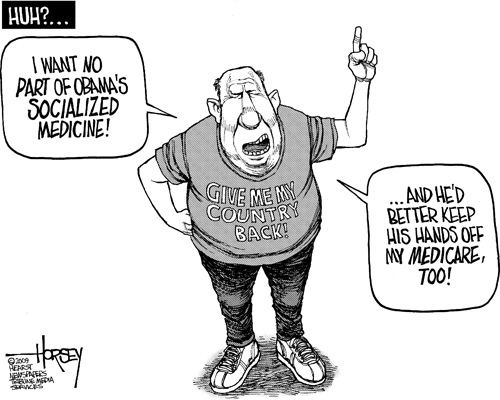
After completing the survey, I had inconsistencies with helping the homeless, and participating in physical activities. once realized these inconsistencies I rationalized my behavior. I did not do anything to personally help the homeless because I myself am below the poverty line, it’s a luxury to have time to exercise, one I don’t currently have. We often feel the need to reduce the inconsistency because it directly conflicts with how we see ourselves. We want to see ourselves in a positive light and when our contradictory thoughts and actions are pointing out to us, we are forced to question if the self-image we created is correct. There was a time I was forced to question if my self-image. I was in a museum looking at an installation that I didn’t particularly like, and I made a lot of rude remakes and my friend called me an art snob. I flat out disagreed and told her what an art snob was only to realize he was right. I was behaving that exact way. I didn’t want to change my self-image, but I knew changing my behavior was unlikely, so now I consider myself an art snob in certain situations.
I’ve been aware of the concept of cognitive dissonance for years now but this assignment helped reinforce the lesson that just because I know about a psychological concept doesn’t mean I an immune to it. I learned about cognitive dissonance before I realized I’m a bit of an art snob. I do believe that being aware of a concept does help me recognize it and mitigate the effects it has on me.
#1 Subjective Happiness Scale
Happiness in its most concrete form is self-assurance. The ability to accomplish worthwhile goals and the satisfaction of getting what you worked for. It’s acquiring stable relationships with the people you choose to be with and the pleasure of sharing moments with them. If I have those 2 things to some degree, then I am happy. Although I scored within the average range of happiness, this measure cannot truly capture happiness because most happiness is not relative to how happy other people are. Happiness can be both intrinsic and extrinsic. Personal happiness may fluctuate when compared to other peoples but it is also partially dictated by people’s thoughts about themselves. Cultural expectations can greatly influence the perception of happiness. If left unscrutinized people tie their self-worth to how closely they can meet societal expectations. this association ends up affecting people greatly.
This assignment helped me to realize that happiness is not only how you feel relative to your past experiences but how you feel relative to others. While in my experience, while I don’t see many positive outcomes when comparing yourself to others, there is some value in being aware of how happy you perceive others to be. It can help reign in unrealistic expectations when we recognize that the reality of other people’s happiness isn’t as black and white as our perceptions.
As someone who has suffered from multiple depressive episodes. I am very concerned about my happiness. I have spent many hours trying to find and keep hold of it. There have been many times iv willed myself to enjoy a moment and many more days where I feared I would forget the feeling. I have been lost in thought for many hours deciphering what activities bring the most pleasure consistently and what mindset keeps happiness within reach the longest. It brings me joy to discuss happiness. Pondering my happiness is familiar and for that reason, this artifact was my favorite.