Throughout CYSE 600: Cybersecurity Principles, I have strengthened my understanding of several fundamental cybersecurity concepts and their practical applications. Three areas that I found particularly valuable are network security, cryptography, and access control. Through hands-on laboratory exercises, I have gained experience applying these principles to identify vulnerabilities, protect information, and strengthen system security.
Network Security and Traffic Analysis
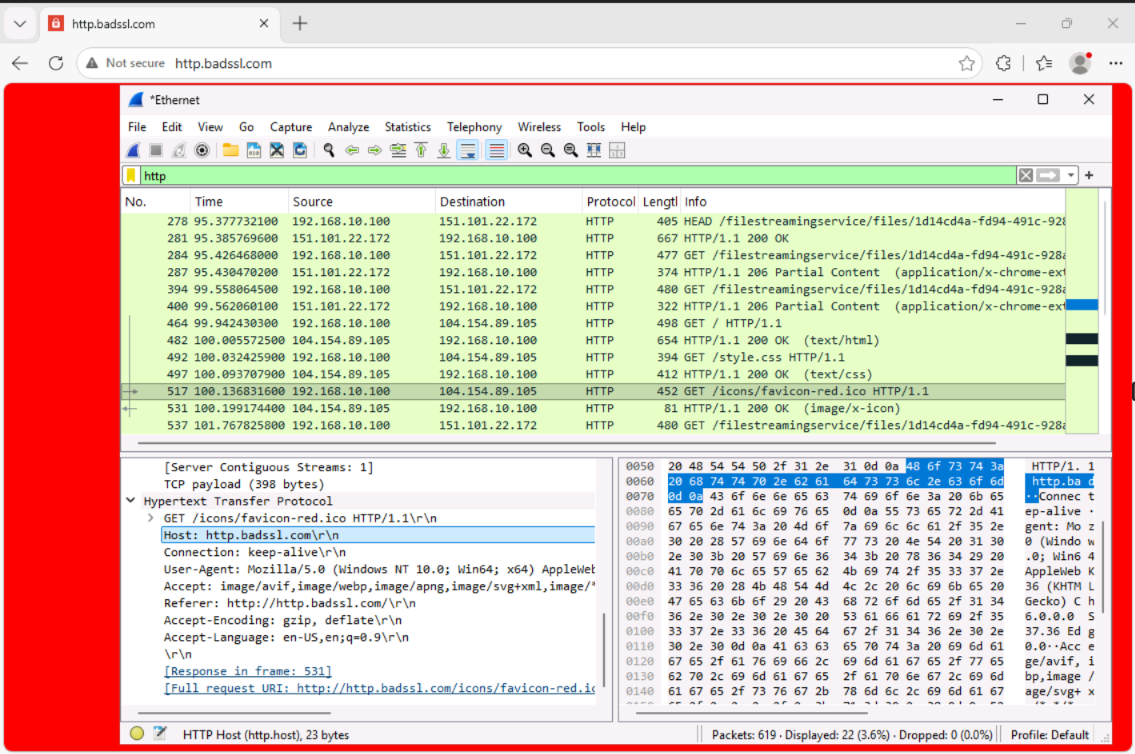
Network security focuses on protecting information transmitted between devices and identifying potential threats to network communications. Understanding network protocols is essential because insecure communications can expose sensitive information to attackers. Using tools such as Wireshark, security professionals can capture and analyze network traffic to identify suspicious activity and potential vulnerabilities. My lab experience reinforced the importance of secure communication protocols and network monitoring in maintaining a secure environment.
Wireshark Display Filters
Cryptography and Data Integrity
Cryptography plays an essential role in cybersecurity by protecting information from unauthorized access and modification. Important cryptographic concepts include encryption, hashing, and digital signatures, which help maintain confidentiality, integrity, and authenticity. Through laboratory exercises involving GNU Privacy Guard (GPG), I explored how cryptographic verification can be used to examine the integrity and authenticity of downloaded software. This experience strengthened my understanding of how cryptographic tools protect information and maintain trustworthy systems.
Access Controls and Password Management
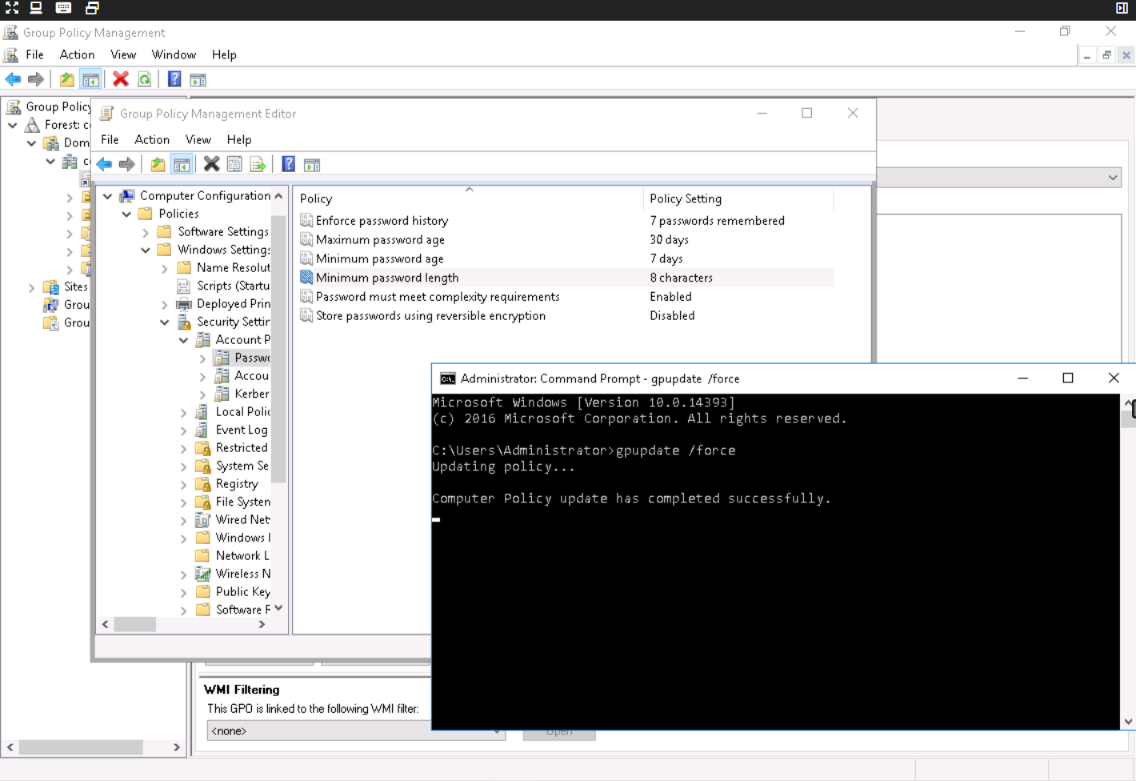
Access controls and password management are essential components of cybersecurity that help protect computer systems and sensitive information from unauthorized access. Authentication verifies a user’s identity, while authorization determines which resources and actions they are permitted to access. Effective password management involves implementing security policies such as password complexity requirements, minimum password lengths, password history, and account lockout settings. Through Windows security administration exercises, I gained experience configuring these policies and managing user accounts. These exercises strengthened my understanding of how access controls and password management work together to protect systems and reduce security risks.
Group Policy Password Management