My Sport Media Diet: Living at the Intersection of Consumption and Creation
Five years ago, my sport media diet was simple and mostly passive. ESPN was on in the background, I checked Twitter during games, and I watched highlight recaps before bed. I consumed sports when they were scheduled. If I missed a game, I caught the recap and moved on. I was a fan—but mostly an observer.
Today, my sport media consumption looks completely different because I now sit at the intersection of consumer and creator.
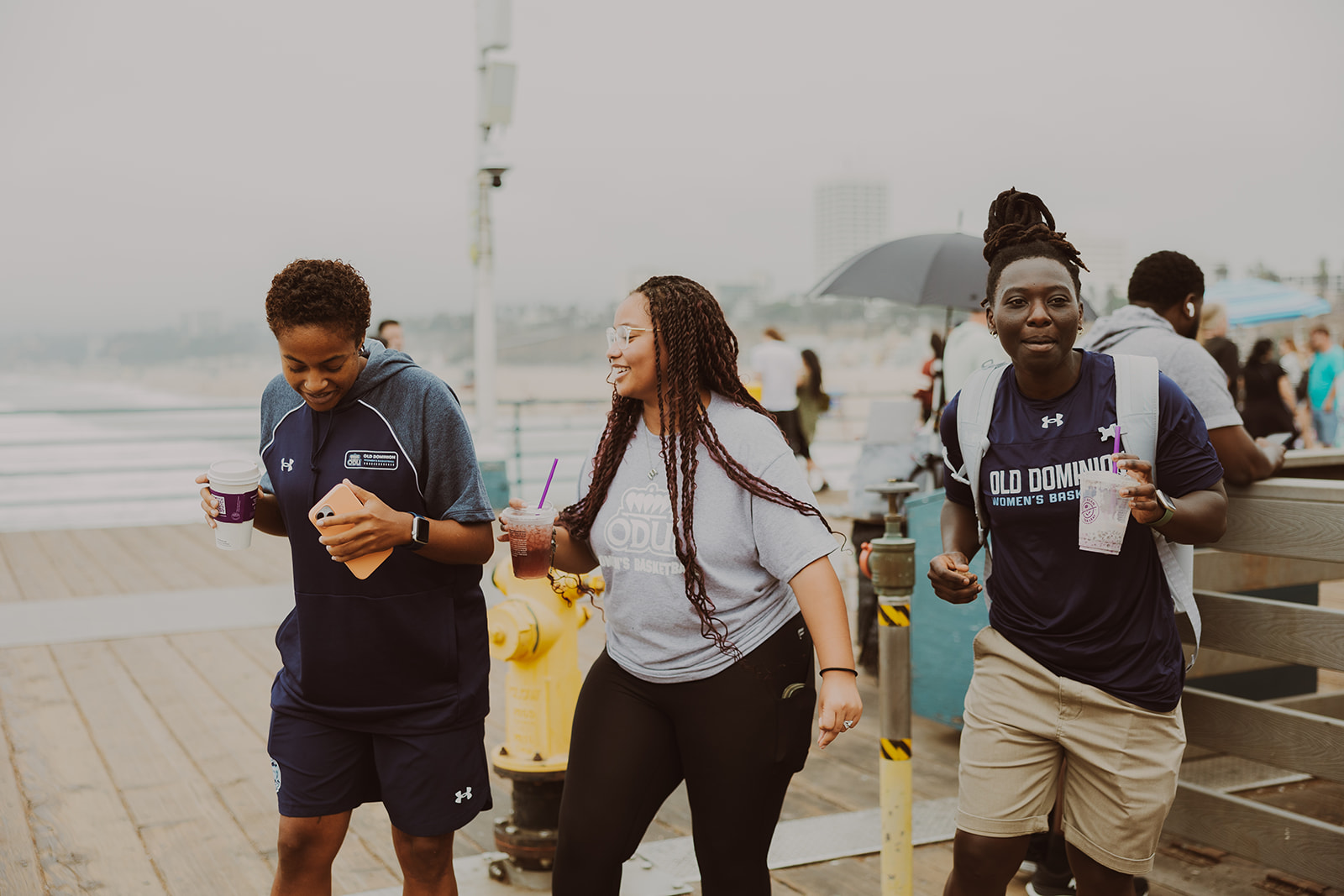
As a Graduate Assistant for ODU Women’s Basketball, I don’t just follow the team—I help shape how others experience it. I run our social media platforms, which means I live inside the fast-paced sport communication environment every single day. During games, I’m not simply watching; I’m clipping highlights in real time, crafting captions, monitoring engagement analytics, and responding to fan interaction. I see firsthand how quickly narratives form and how digital platforms amplify momentum—especially in women’s basketball.
Women’s basketball has experienced massive growth in visibility over the past five years. The rise in WNBA coverage, record-breaking NCAA tournament viewership, and increased social engagement have shifted the sport’s media presence from niche to mainstream. At ODU, I’ve watched our own digital engagement grow as fans demand more behind-the-scenes access, player features, and game-day content. The audience doesn’t just want scores anymore—they want stories. They want personalities. They want access.
My sport media diet now includes livestream dashboards, analytics platforms, scheduling software, and trend monitoring tools. I consume sport through strategy. I analyze what types of posts perform best, how algorithms prioritize video content, and how timing impacts engagement. At the same time, I still follow broader women’s basketball storylines—WNBA growth, NIL developments, conference realignments—through podcasts, social media, and streaming services.
The biggest change in my media diet isn’t just personalization or speed. It’s responsibility. I now understand that every post contributes to the larger communication ecosystem. Representation matters. Visibility matters. Women’s basketball coverage is not just about promotion—it’s about equity in media exposure.
Looking ahead five years, I predict even greater athlete-driven storytelling. AI-generated highlights, immersive viewing experiences, and real-time interactive fan polling will likely become standard. I also believe women’s basketball will continue closing the visibility gap as digital platforms remove traditional broadcast barriers.
If I could wave a magic wand and change one thing about the sport communication landscape, it would be eliminating media fragmentation—especially for women’s sports. Fans shouldn’t need multiple subscriptions or regional workarounds to follow a team. Accessibility fuels growth.
My sport media diet has evolved from passive consumption to active participation. I’m no longer just watching women’s basketball—I’m helping build its digital presence in real time. And that perspective has fundamentally changed how I understand sport communication.