The course objectives in cross-cultural psychology has made me reexamine how I define culture, and how culture plays a significant role in human development and psychological research (Matsumoto & Juang, 2016). Throughout my readings, I realized that psychological research is based around the concept of WEIRDOS: western, educated industrialized, rich, and democratic cultures: which does not represent even close to 10% of the world population (2016). Going forward, this realization made me realized how biased, whether intentional or not, psychological research is. Therefore, when I conduct research in the near future as a part of my degree, it is important that I am mindful of cultural differences, and the bias of using test subjects from WEIRDOS cultures.
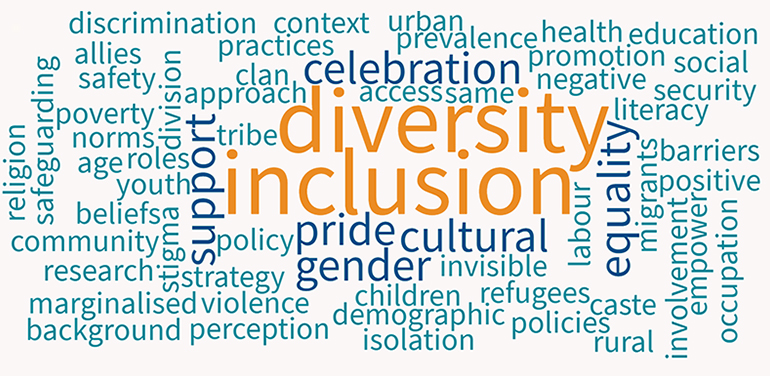
Even more, this course has inspired me to come up with methods that implement inclusionary practices and cultural sensitivity that goes beyond the simple ideology of being politically correct. Meaning, I applied the ethics and principles taught in this course to my personal life to help change my way of thinking, not only for political correctness, but for the greater good of myself and those around me.
More importantly, this course is already exceeding my expectations as far as understanding how culture plays an important role in who we are as people, and where our biases and prejudices against other cultures stem from. Consequently, I am pushed to think beyond what my idea of culture is, and how even my own culture identity is born out of several things: survival, necessity, evolution, and the pursuit of happiness (2016). In fact, I already have gained an important lesson out this course: we are all born from the same principles of evolution and science; however, we all are not the same psychologically, physically, or culturally. This is okay as long as we our willing to push for understanding and respect for our differences for the greater good of humanity, as well as for those who are impacted by our ideologies and actions.
In all, my plan to successfully pass this course is to combine the strategies and knowledge I use from the other psych courses I am currently taking to better help me retain my knowledge for this course. That is to say, the first chapter of my cross-cultural psychology book is very reminiscent of the first few chapters from my observational behavior textbook; therefore, I cross reference terms and concepts I may not understand in this book to my observational textbook to help me understand what I am reading. In addition to this, since my organizational psychology class requires weekly discussion boards, I purposely use the concepts and terms I learn from my cross-cultural course in my discussion boards to help me expound my writing and thinking. Also, chapter three and four studies from this course is similar to my child psychology course, so I combine notes from both courses to come up with a well-rounded and thorough study guide that I study from thrice a week.
Matsumoto, David, and Linda Juang. Culture and Psychology. 6th ed., Cengage Learning, 2016.