CYBER STRATEGY AND POLICY (CYSE 425W)
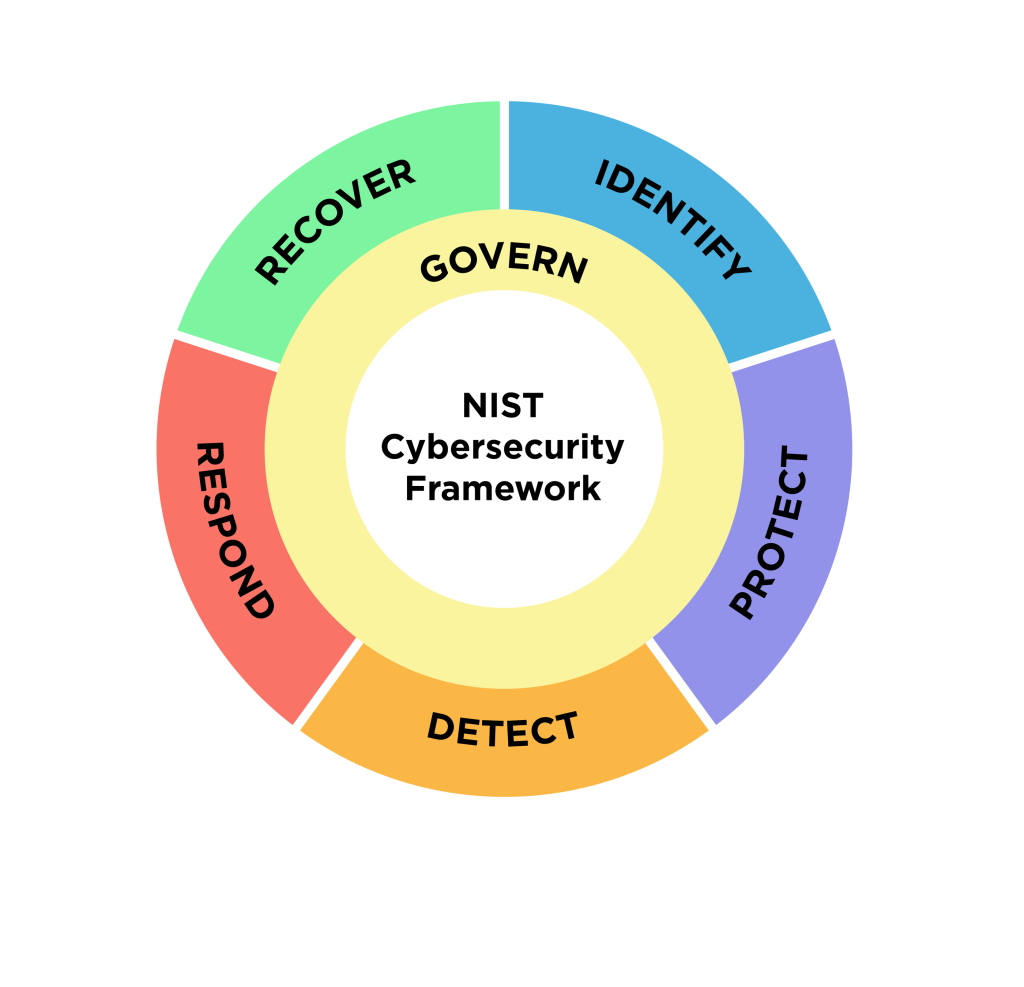
This course allowed me to develop a deeper understanding of the National Institute of Standards and Technology (NIST) Cybersecurity Framework (CSF). Through analyzing its core functions—Identify, Protect, Detect, Respond, Recover, and Govern, I learned how organizations use this NIST framework for cyber risk management. I also learned how to evaluate the effectiveness of cybersecurity strategies by considering ethical, political, and social impacts.
Additionally, through this writing intensive class, I have improved several important skills, including critical thinking, research, and communication and analytic skills. I developed stronger critical thinking skills by evaluating how cybersecurity policies and strategies help organizations identify, manage, and reduce cyber risks. The course also strengthened my research skills as I had to gather information from scholarly journal articles and analyze credible sources.
Furthermore, this course enhanced my writing skills as I learned how to explain complex cybersecurity concepts in a clear, organized, and professional manner for different audiences. Strong writing skills are especially important in cybersecurity because cybersecurity is a collective effort that requires collaboration among professionals, scholars, independent researchers, and organizations from both private and government sectors. This collaboration enables entities to stay ahead of evolving cyber threats and better protect their systems, networks, and sensitive information.
Overall, this experience helped me understand that cybersecurity is a collective effort where individuals, teams, and organizations all play a role in protecting digital assets, systems, and networks. It further reinforced the idea that cybersecurity is not only a technical field but also an interdisciplinary, one which requires strong analytical, research, communication, and collaboration skills to address real-world security challenges.