
Athlete Activism
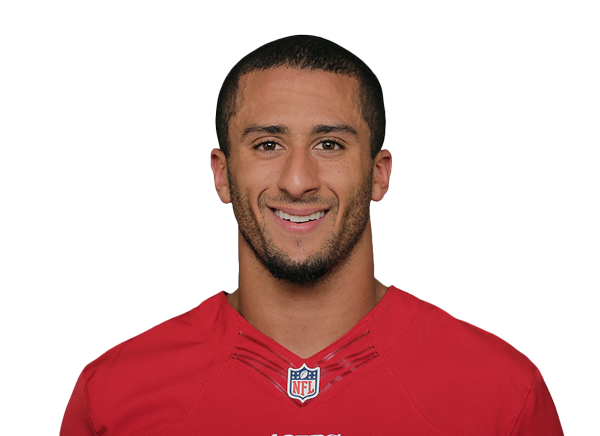
In 2016, another major activist athlete of this generation came into this world and flourished tremendously. NFL quarterback Colin Kaepernick decided to kneel while the national anthem was played at a preseason game. He would subsequently clarify his actions as a means to highlight police brutality and the oppression faced by many communities, asserting that the flag and its symbolism do not represent everyone in America, Deliberating the choice to honor his own culture and his people over his position in the NFL, Colin Kaepernick’s choice was commendable, a nonviolent protest for change. However, fans and commentators were up in arms, disrespecting the flag and the country, or so they thought. However, Kaepernick stood his ground. He was doing this for more than just football. He was doing this for a social cause to better the community in the long run. Thus, many regard him as a significant activist athlete for this generation.
Kaepernick connected directly with military veterans and activists who had stood and fought for our country on one of its darkest days and received truly informed advice from the proper community before doing so to ensure that feelings would not be hurt; he meant it to be anything but disrespectful. This was his way of respecting the process of doing what was right. As a black man who knew what his community was going through, he had a platform and, more importantly, a responsibility to do something. He was willing to pay a personal and potentially public cost to effect change not knowing if this action would lead him to good or bad places. The media response was twofold. Certain media, like ESPN and the New York Times, seemingly supported Kaepernick and gave him appropriate avenues to express his message. Other media challenged the notion of his protest, like the “flag and military” reference distorting it against the veterans who sacrifice so much for our country and making it have little to do with police brutality and racially based homicide. However, this is the nature of media. People choose the spins they would like to believe. However, social media largely supported Kaepernick.
Twitter, Instagram, and Facebook overflowed with hashtags, mentions, and trending topics regarding individuals’ dissatisfaction with the current situation, utilizing their platforms and avatars to raise awareness similar to his. From that moment on, Kaepernick realized he was destined to accomplish more incredible things than merely playing football. He became an activist. He founded the Know Your Rights Camp, an organization aimed at educating youth about their rights and how to advocate for themselves. He often, at times made an effort to change the world and donated to causes close to his heart.
He encouraged other NFL players, WNBA members, and high school athletes to kneel, raise their fists, and speak up. He made a difference larger than the game. Colin Kaepernick didn’t just take a knee, you know what they say about taking a knee, but rather, he stood up for what’s right and got the world to do the same.