Linux Systems for Cybersecurity
Course Description:
This course introduces the basic operations in major Linux distros for cybersecurity using both graphical and command-line interfaces. I learned about the basic installation and configuration, file systems management, shell scripts, and user authentication in Linux systems.
The course achieved its goal of introducing basic linux operations through using virtual machines such as Ubuntu and Kali-Linux. Throughout the semester, I was able to learn and practice key linux components through the modules that focused on:
Module 1. Introducing Linux
• Distributions and Key components • Command line
• Accessing resources on AWS cloud
Module 2. User and Group Accounts
• Managing Group Accounts
• Managing User Accounts
• Develop an Account Security Policy
Module 3. File and Data Storage
• File Permissions
• Manage Local Storage: Essentials
Module 4. Automation
• Shell scripting
• Common Automation Tasks
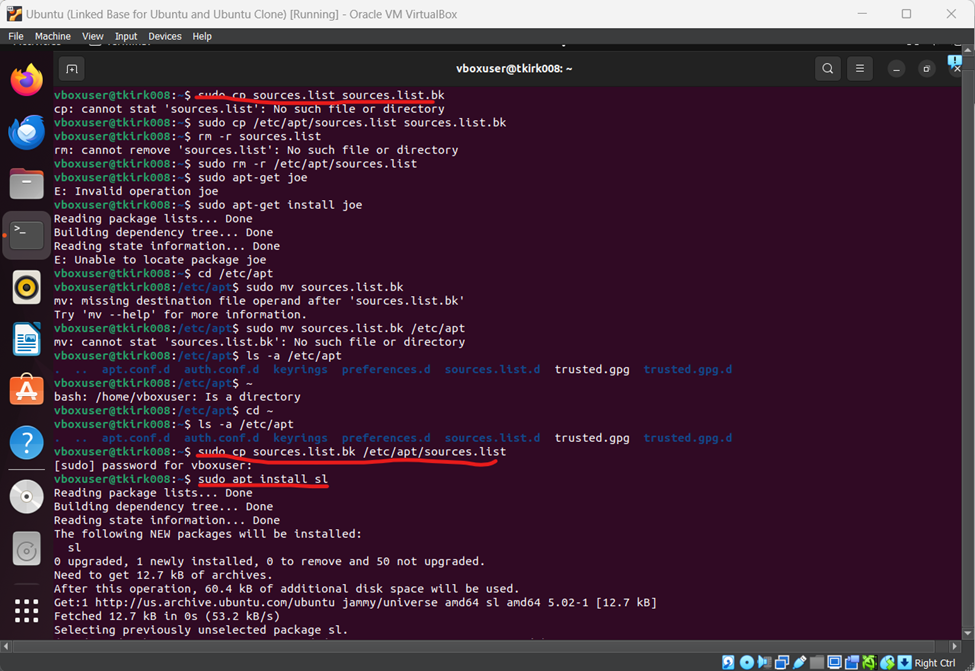
Module 5. System Administration
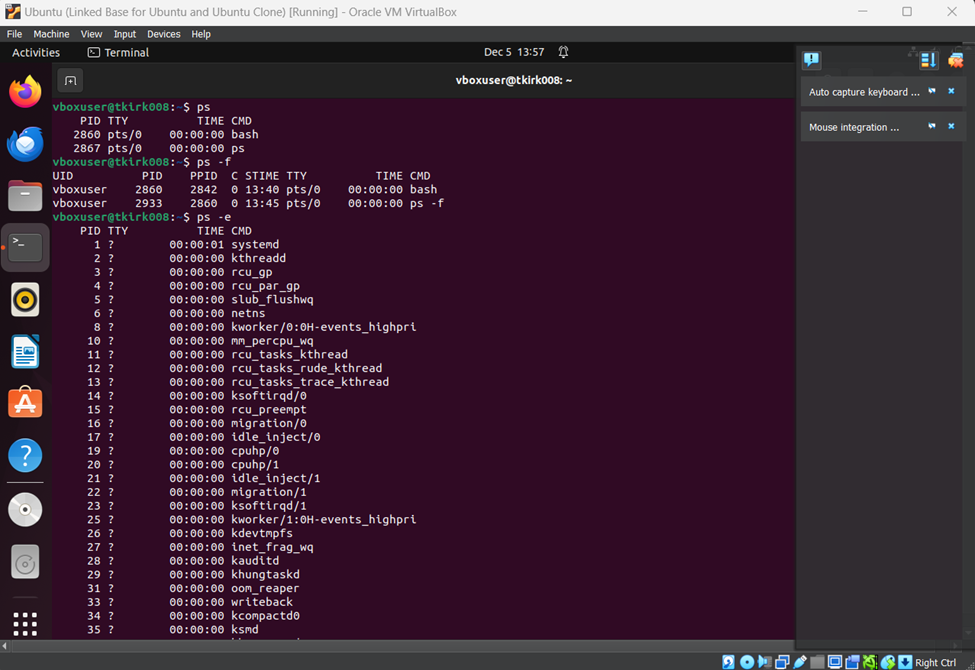
• Process and Log Administration
• Networking
Module 6. Security Tasks
• Foot printing
• Firewalls
• Intrusion Detection
Overall, the course introduces foundational linux elements that can be translated and used in modern day advanced technology such as Amazon Web Services or Google Cloud Platform. The course deliberately applies each lesson with relevant exercises to that frequently calls back to previous modules to complete the assignments. CYSE 270 is a necessary course for cyber security students searching for foundational elements within the cyber world.
Example Assignments:
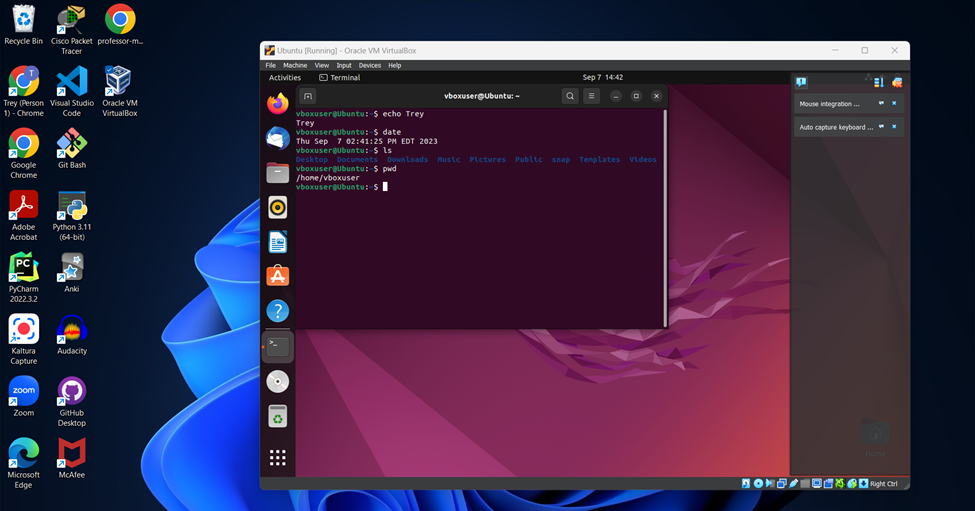
Assignment 1: beginning of course
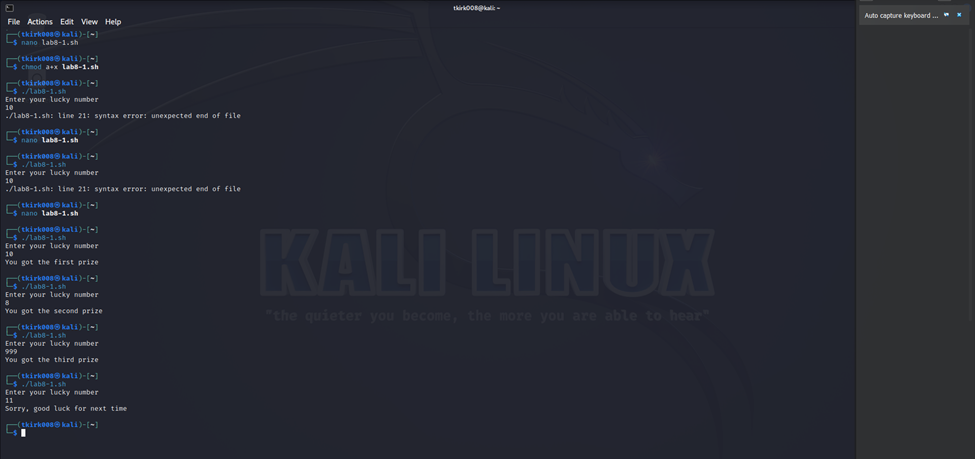
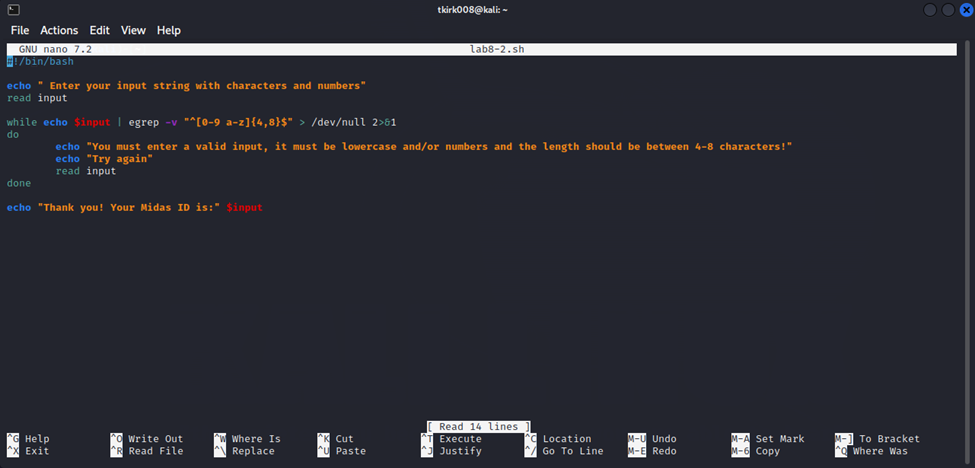
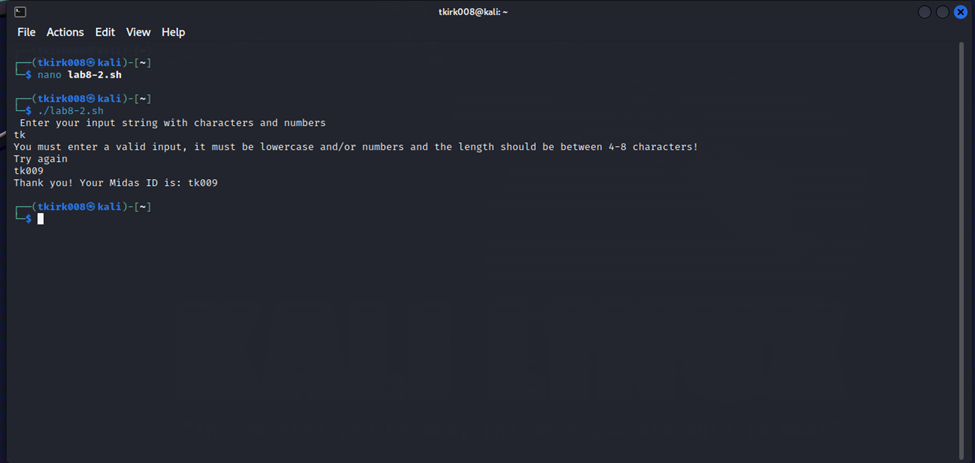
Assignment 8: Middle of course
Week 15: End of Course