Sport Communication Journal: Final Reflection
Three months ago, I entered this class knowing I loved sports and that I wanted to work in them. What I did not fully understand was how to think about that work, how to articulate it, how to defend it, and how to build toward it intentionally. That is what this semester gave me.
The assignment that probably shaped me the most was the game report. Sitting down to write about ODU’s 88–84 loss to Georgia Southern in the Sun Belt Tournament was not just a writing exercise. It forced me to think about what sports journalism actually requires: accuracy, storytelling, emotional restraint, and respect for the people involved. Jordan Battle scored 45 points that night, a Sun Belt Tournament record, and his team still went home. Writing about that meant honoring what he did without letting the sadness of the outcome swallow the story. That balance is something I will carry into every piece of content I create going forward. Sports are emotional, and good sport communication does not pretend otherwise. It just does not let emotion think for you.
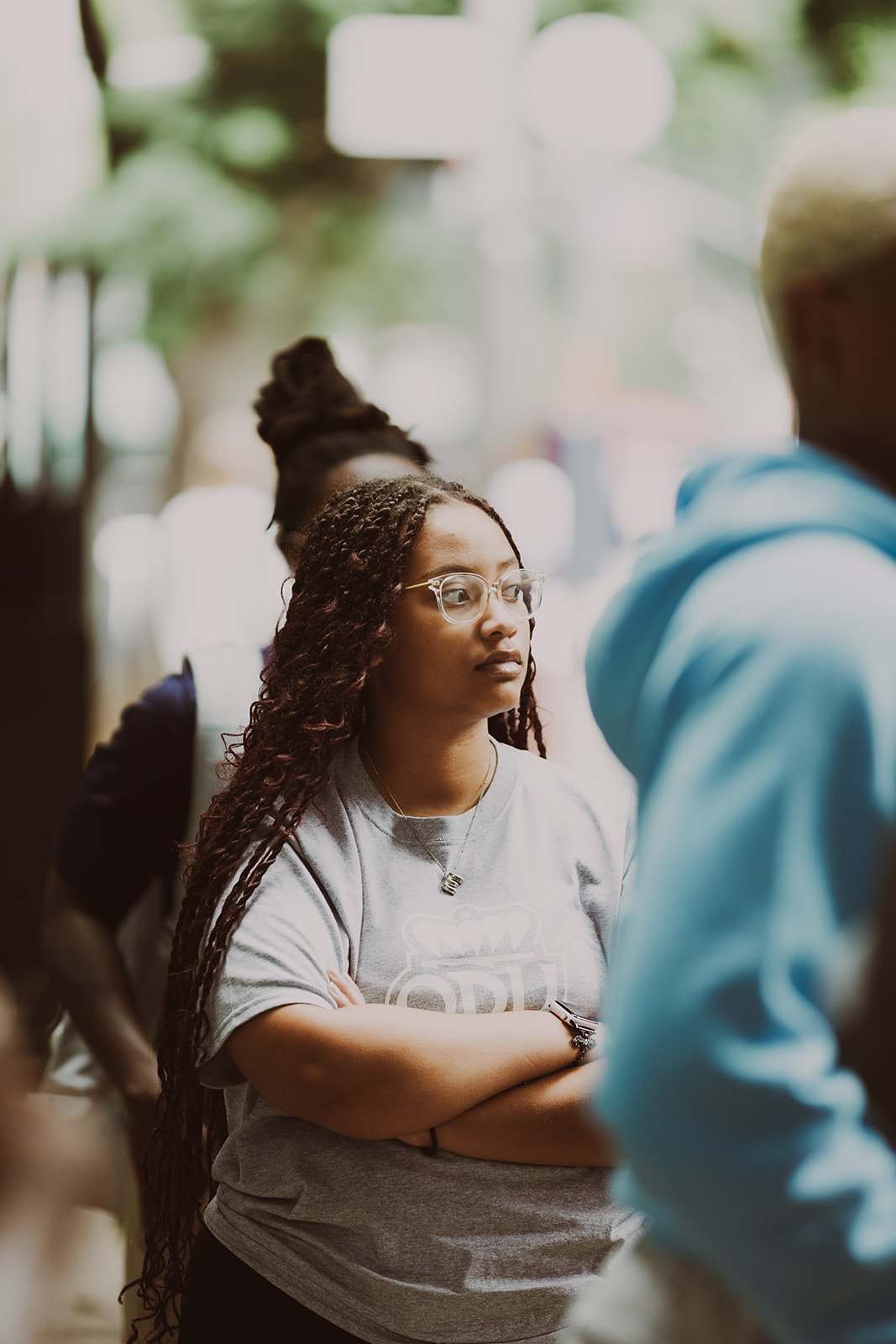
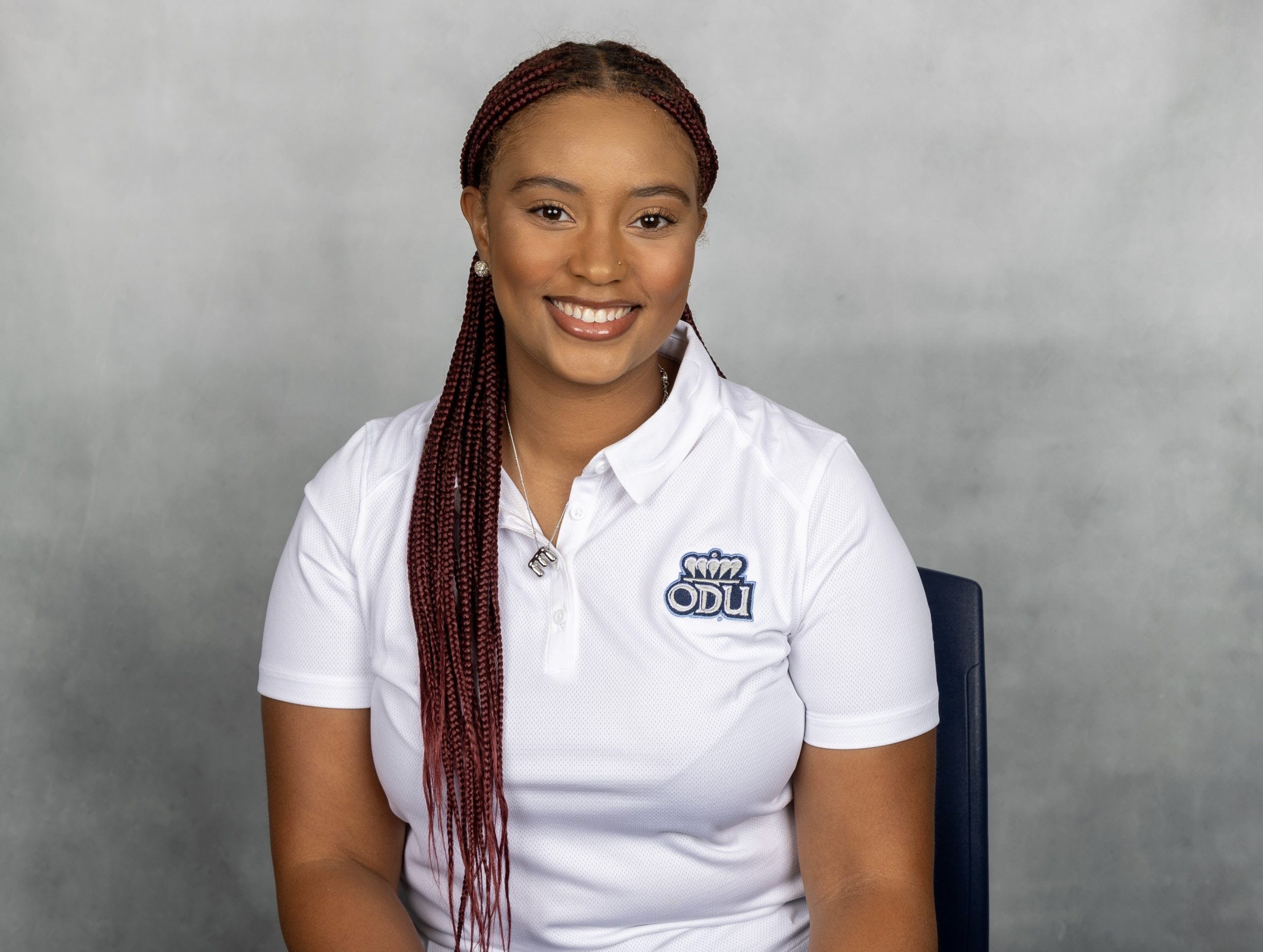
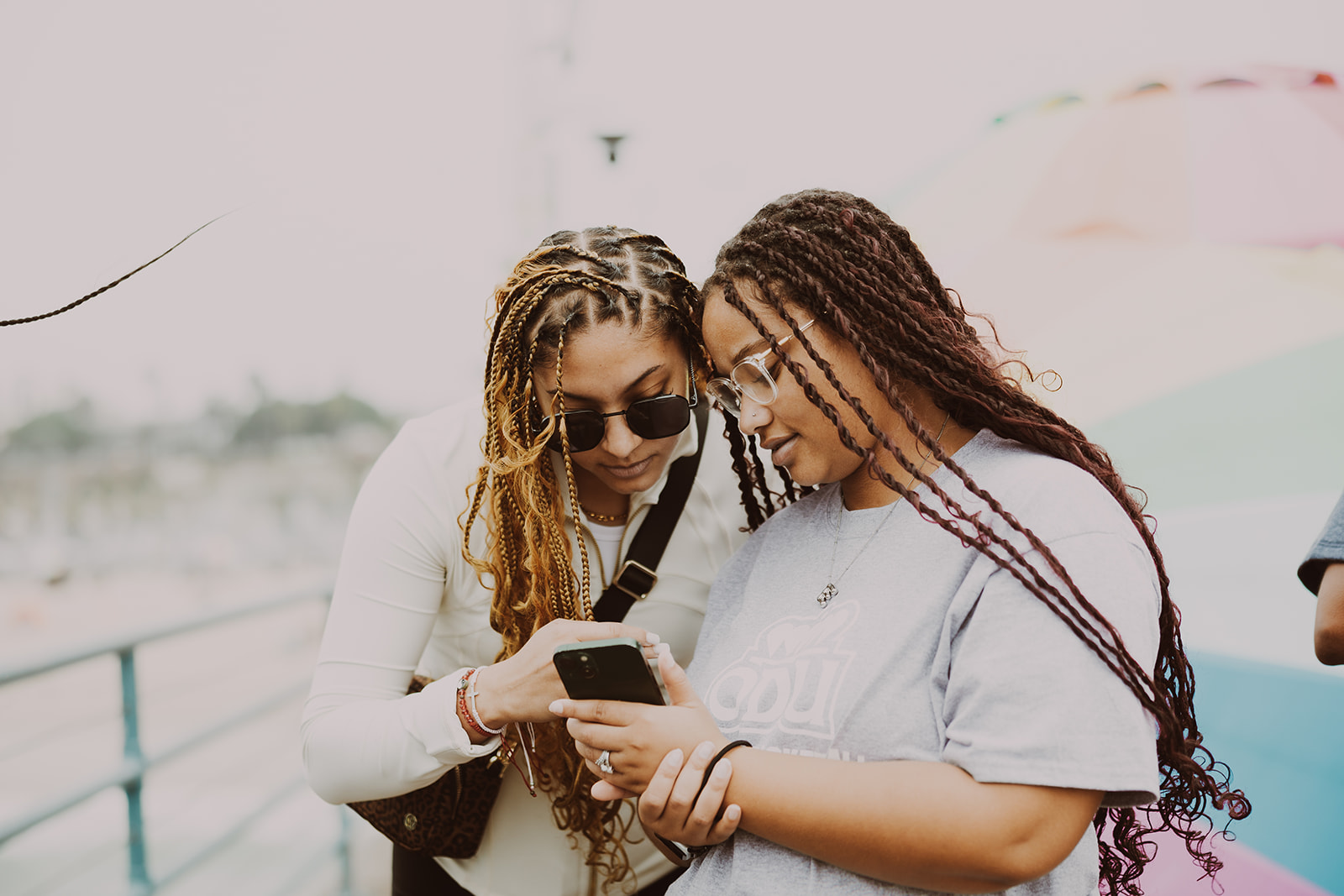
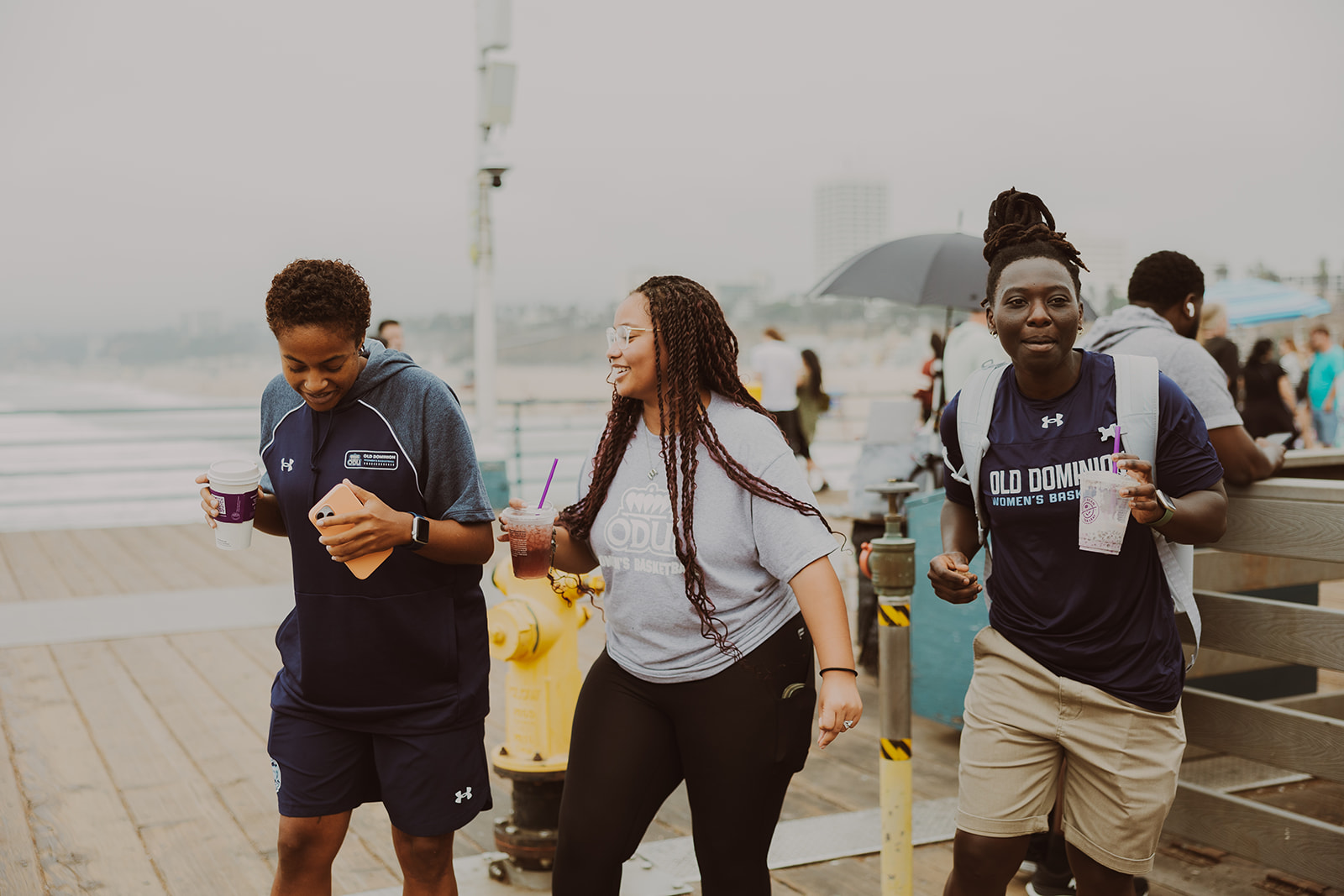
The social media persona project hit closer to home because it was literally about me and the work I am already doing. Running the Instagram for ODU Women’s Basketball has taught me that every post is a decision, and not just a creative one. Who gets centered in the frame? What story does the caption tell? Does this content make these athletes look like competitors worth following, or does it flatten them into highlights and hashtags? I called my persona “Behind the Bench” because that is genuinely where I live in this job: behind the scenes, making choices that most people scrolling will never consciously notice. But those choices add up. They shape perception. The class helped me understand that I am not just making content. I am contributing to a culture, and that carries real responsibility, especially when the athletes I represent are women.
That responsibility felt most urgent when I wrote: “Twice as Hard, Half as Seen.” That piece about Sha’Carri Richardson, Simone Biles, and the broader landscape of Black women in sport was the most personal writing I did all semester. I work with Black women athletes every day. I see what they bring, and I see what the world chooses not to see. Writing about the endorsement gap in the WNBA, the policing of Black women’s bodies through policies like FINA’s swim cap ban, and the underrepresentation of Black women in coaching was not just a critical media analysis exercise for me. It was a statement of purpose. The sport communication field shapes how these women are valued. I want to be someone who gets that right.
The Quest, my campaign proposal for Monarchs+, brought everything together. Working with Ryan Parncutt, ODU’s Director of Athletics Marketing, and designing a real six-week social media strategy for a real platform that launched in April 2026 was the closest thing to professional practice I have experienced in a classroom. I had to think about audience segmentation, platform strategy, conversion psychology, and brand voice all at once. What I learned from Ryan, and from developing the Reign On concept, is that the best sport communication is not promotional. It is relational. Fans do not pay for content. They invest in communities they want to be part of. My job is to build those communities, and now I have a clearer sense of how to do it.
I came into this class working behind the scenes at ODU Women’s Basketball. I leave it understanding why that work matters, how to do it better, and what kind of sport communicator I am trying to become. The court was always the place I loved. This semester, I started learning how to own the room behind it.