ATA 5
Click on the image to view the full assignment
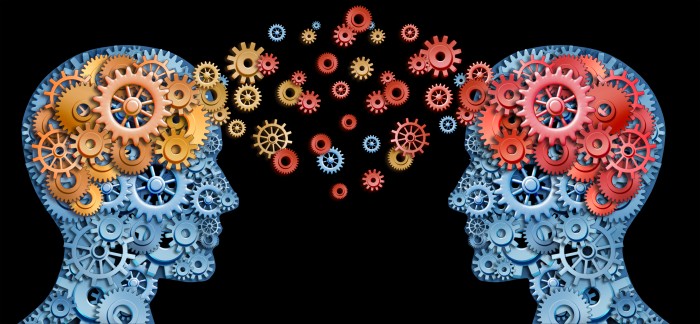
This assignment came at a spectacular time. We are all living in an unfamiliar, and sometimes scary, point in history. But while there is so much grief and issues constantly bombarding us right now, it is important to reflect on the good things. Better yet, make good things happen. I was reminded by this assignment how important it is to go out-of-your-way for others. Of the five acts of kindness, they were all rewarding in varying degrees. I believe the more rewarding actions were those that required more self-sacrifice. This assignment actually reminded me of my Introduction to Ethics class, in that the professor spent a lot of time on the concept of morality and good deeds. Similar to the discussion of prosocial behaviors in our Social Psychology textbook, my Philosophy text went over different motivations for these behaviors. Some philosophers viewed any good deed done out of self-interest (making yourself feel better) as “bad”. Others argued that all humans have a type of contract between each other that, as long as you scratch my back, I’ll scratch yours. Any deed done with this understanding is “good”. (I won’t even try and break-down all the arguments about the very definition of “good” and “bad”). Preparing for this assignment, I read an article about “The Science of Kindness”. It briefly discussed prosocial behaviors and the brain. I chose the image above because I believe that it was a good representation of how humans are connected, and that it is in our best interest to engage in prosocial behaviors.
ATA 4
Source: https://www.psychologytoday.com/us/blog/psych-unseen/201602/your-brain-in-love
Click on the picture to see my full assignment
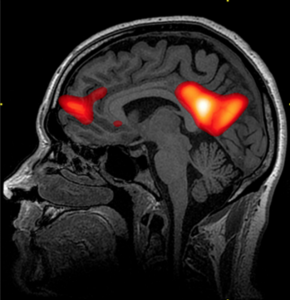
I had never heard of these six styles of love before this assignment, but I think, overall, it is a fun and succinct way to think about love. I believe it gave me insight to myself, and what type of person I am when I am in a relationship versus not. But I think it is also important to remember how many other psychological constructs play into a person’s style of love. I mentioned it in the assignment, but attachment style also is crucial to someone’s development. I learned in my Psychology of Criminal Behavior class that nurture effects attachment and attachment affects an individual’s capacity, or even desire, for love. And in Psychology of Adolescence, I learned much the same. Personally, I think it would be interesting to see a study that compares an individual’s love style with their attachment style. Like I mentioned before in my assignment, I am often too scared to commit to a relationship because of my dismissive-attachment style. But, someone with the same attachment may find themselves more prone to Ludus type of love — looking at love as a game, but being truly afraid of closeness. I chose this image because it is interesting to see biological representations of love.
ATA 2
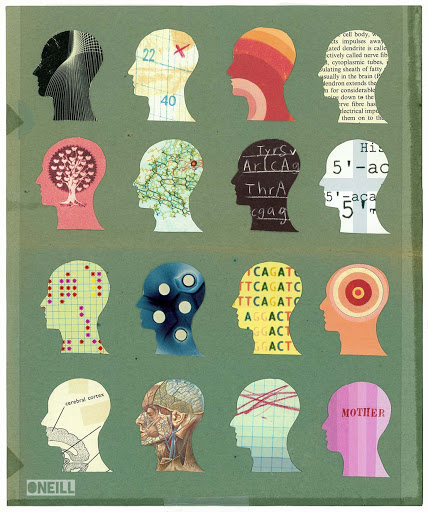
I’ve been interested in psychology since my sophomore year of high school. I knew from that point that I would major in psychology; and once I got to college that stayed true. I never wavered. All that to say, I knew, intellectually, personality was, for lack of a better word, inconsistent. But not until this assignment did I really take a magnifying glass to my own personality. Looking through various pictures really solidified the fact that I put on different masks depending on the situation. In these pictures, I can actually see myself as others do: self-conscious, comfortable, hiding. Though, my personality changes are mild, at most. This assignment follows at the same time as I’m writing a research paper for my Psychology 424 class (Physiological Psychology). Long story short, I am writing about cluster B personality disorders. These are disorders that are characterized by dramatic, unpredictable behavior and personality shifts. Everyday, these people have to fight sudden shifts in their personality that make it difficult for them to maintain healthy relationships, or live normal lives. I chose this representative image, because it shows different aspects of life that all can affect how we act.
ATA 1
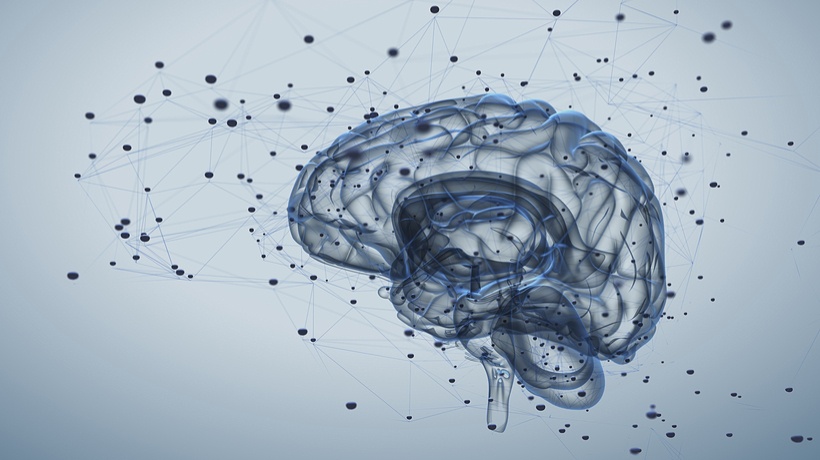
Silly as it might be to say, my biggest takeaway was realizing just how hard it can be to explain brain processes. Intellectually, heuristics are not necessarily difficult to understand. It is one of those concepts that make sense in your head but is practically impossible to put into words. The fact that the brain is constantly, constantly working; and trying to minimize its work load is astounding. In order to complete this assignment, I had to pull from knowledge I had from other psychology courses that dealt with similar ideas. First, my physiological psychology class, because we learned about neurons and how they operate in order to interact with the brain (not that I have ANY idea how it all works together besides the fact that they do). The other class was Human Factors. A large portion of the class was devoted to heuristics and how they influence human error. I chose this image because I felt it was a good metaphor for psychology classes. Just because you are in one psychology class doesn’t mean it is totally independent from all other psychology classes. Just like these visualized processes above, it may be centralized around the brain, but the information is all interconnected.