Hispanic Cultures and Identities offers an educational look through a folk-to-popular scope which dissects topics such as history, geography, language, immigration, art, gastronomy, and entertainment throughout Latin America. My takeaways are: the etymology of words in the Spanish language, the resourcefulness of living, Latin-American melting pots, and how traditions stem from indigenous practices which have mixed with the Spanish heritage to create unique legacies in each Hispanic country. All in all, the course content challenged me to discern between stereotypes and explore the true origins of everyday life in the Hispanic world. Subsequently, this knowledge will help me instill informed bilingual voices in my students, in the form of linguistic tools. Language learners will engage in authentic dialogue and negotiate meaning via native-like perspectives, literacy, accuracy, and autonomy.
Explorando la cultura
Uruguayan Songwriter Jorge Drexler’s perspective on the shared rhythm which exists in Latin American music, Mexican Chef Meño Cavazos’s transformative gastronomy, and Mexican Public Official Eufrosina Cruz Mendoza’s fight for equality in indigenous communities taught me a thorough vision of the challenges faced by Hispanic demographics. These perspectives exemplify the complex traits which exist in Hispanic cultures. Additionally, the challenges faced by these three individuals, to promote their culture in developing countries, showcase the lifestyles of many individuals in similar conditions. Overall, the trio challenged me to see the rich legacy I carry as a Hispanic beyond go-to stereotypes.
For further insight on how my perspective adjusted throughout the course, please review the following work evidence:
- SPAN 322 JDPA Diario semana 3
- SPAN 322 JDPA Diario semana 5
- SPAN 322 JDPA Diario semana 7
- SPAN 322 JDPA Diario semanal 11
El ser parte de la comunidad
Throughout the course, I had opportunities to engage with other classmates and the Hispanic community at ODU. The sociocultural theory suggests we learn the most when interacting with other members within our context in order to share and negotiate situational experiences. Furthermore, engaging with other classmates gave me the opportunity to compare and contrast my Mexican perspective with other native Spanish speakers. I was able to engage in cultural exchanges with classmates from Colombia, Guatemala, and the US in order to make meaningful correlations. We often discussed topics beyond the textbook, such as public school in rural communities, quality of life, and work routines.
Evidence of this is available here:
- SPAN 322 JDPA Actividad 6.4.1
- SPAN 322 JDPA Diversidad en el sistema escolar
- SPAN 322 JDPA Jornada Laboral
Comunicación interpersonal
This semester, I was able to create dialogue, debate with, and learn from classmates through whole-class discussion boards and mesa redonda activities on the Flipgrid platform which consisted of group debates in a variety of subjects. These subjects included: the Latin-American economy, its culture, and how miscommunication spreads.
Some evidence of this can be found in the following images and links:
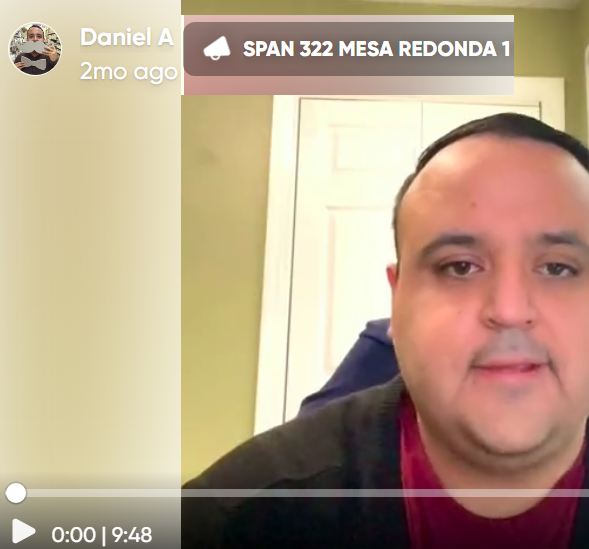
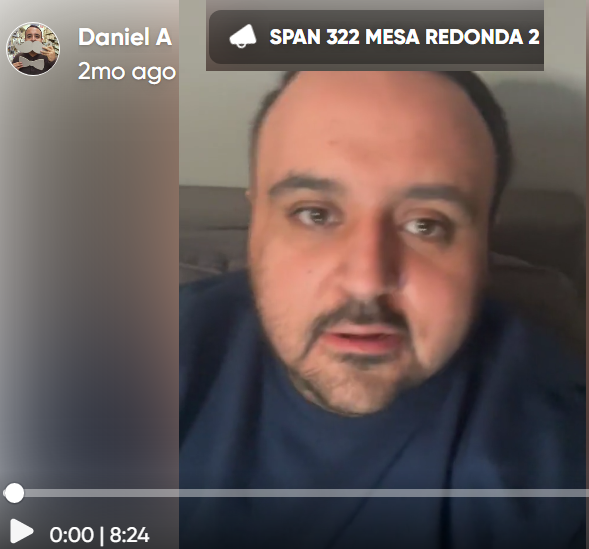
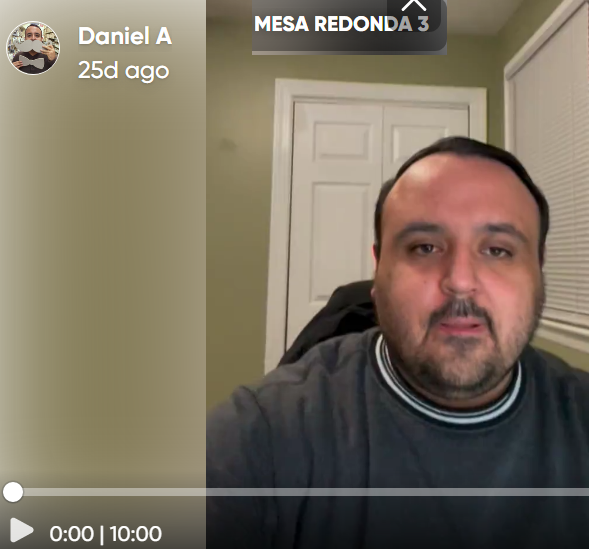
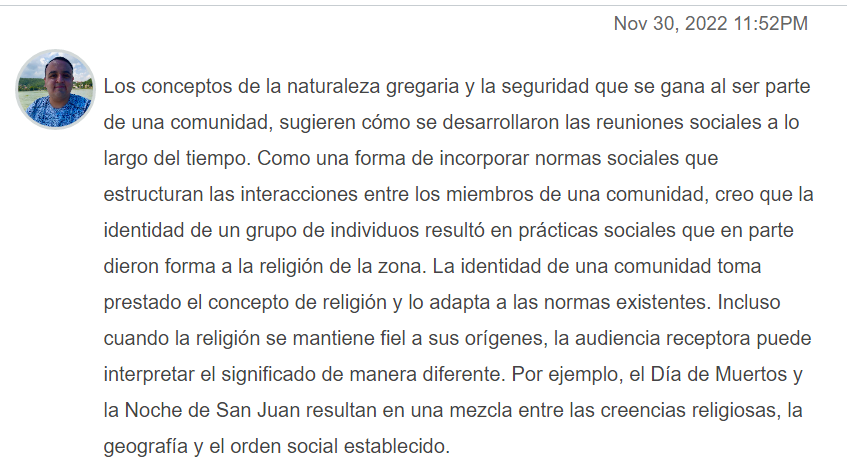
Although the discussion with my classmates was about topics seen in class, the exchanges were spontaneous and unplanned. The first recorded conversation was difficult because I was trying to memorize dates and specific information associated with historical events. However, the last recorded conversation was more natural and organic because we talked about and synthesized topics into our context. I transitioned into organic speech by just using small written cues to recall information. During feedback, I was told my fluency and accuracy as a native speaker can help promote further engagement from other classmates.
Discurso auténtico
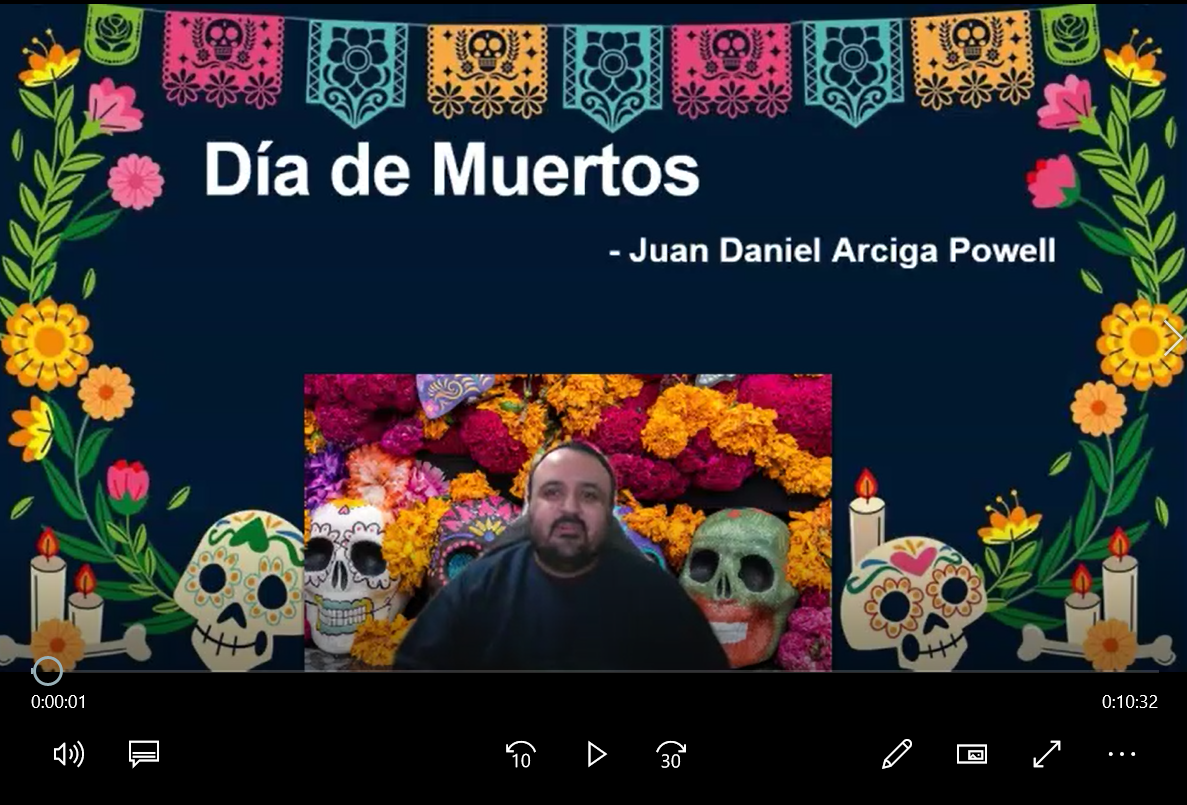
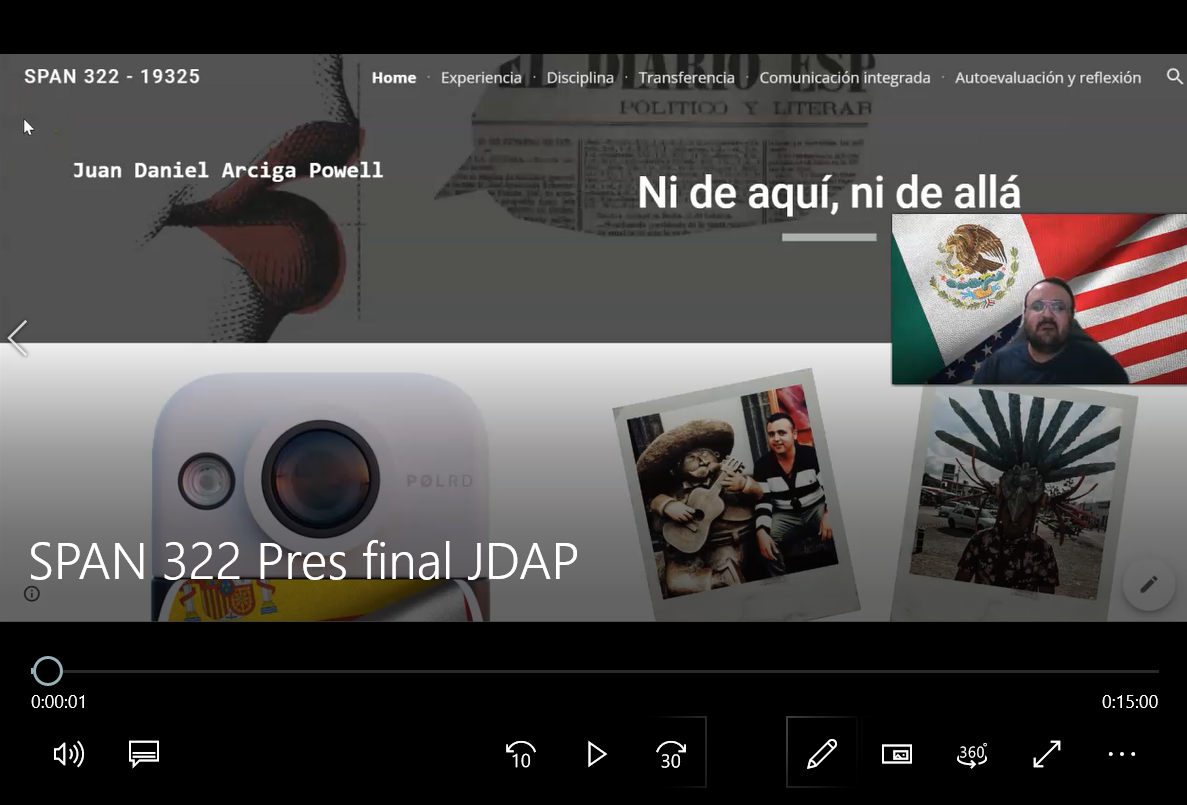
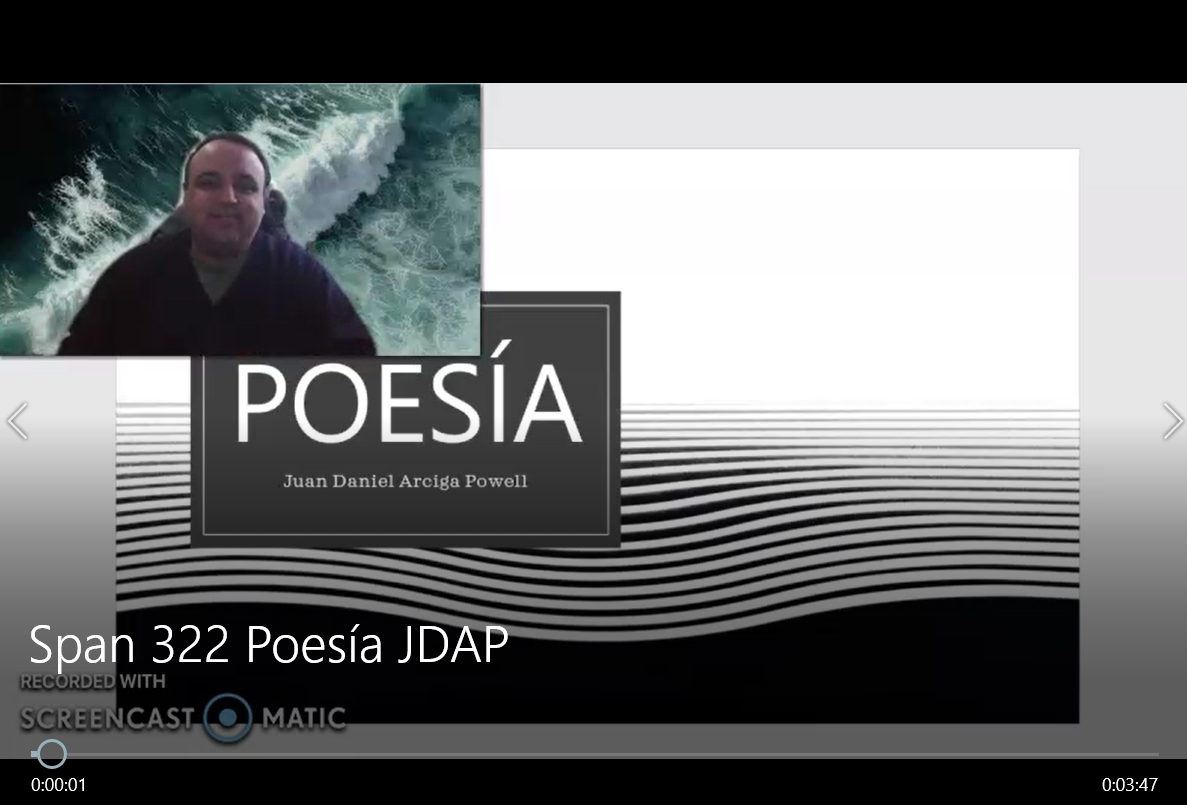
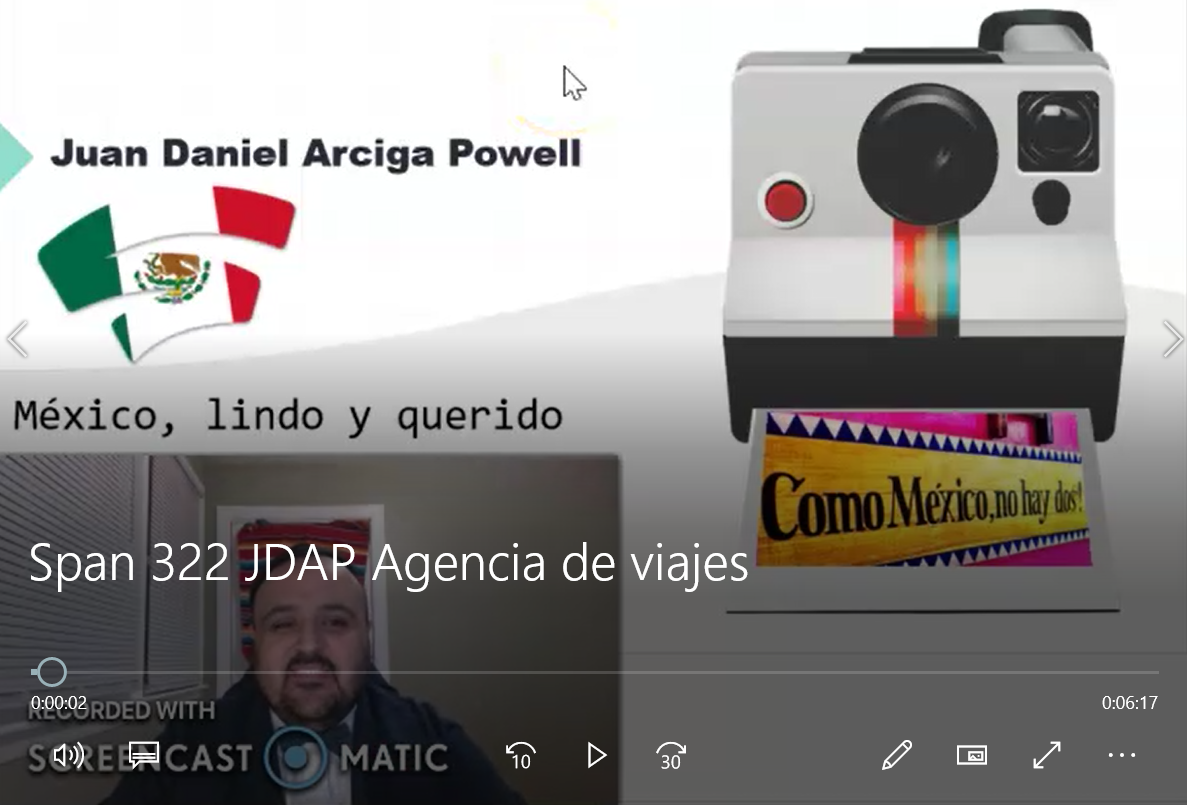
Presentational speaking activities I completed this semester include: how indigenous cultures mixed with the Spanish heritage to create modern-day holidays such as Día de Muertos, culture clashes between my experiences living in Mexico and the US, Latin-American poetry, and a roleplay involving a travel agency which explores various points of interest relating to the geography of Mexico.
Evidence of this work can be found here:
Redacción
Challenges I encountered with written assignments included relating the content back to my experience as someone who lived in Mexico and as part of the Hispanic demographic living in the US. This was difficult because it meant challenging patriotic viewpoints or stereotypes as well as misinformation. This content included the origin of some holidays, and the role religion plays in popular culture. Another difficult topic was discussing immigration and how difficult this process can be for individuals leaving their home countries in search of better opportunities. Please review the following evidence, where I describe how my experience as an ESL and Spanish teacher promote informed voices in my students: